Nr. 101885553

Verkauft
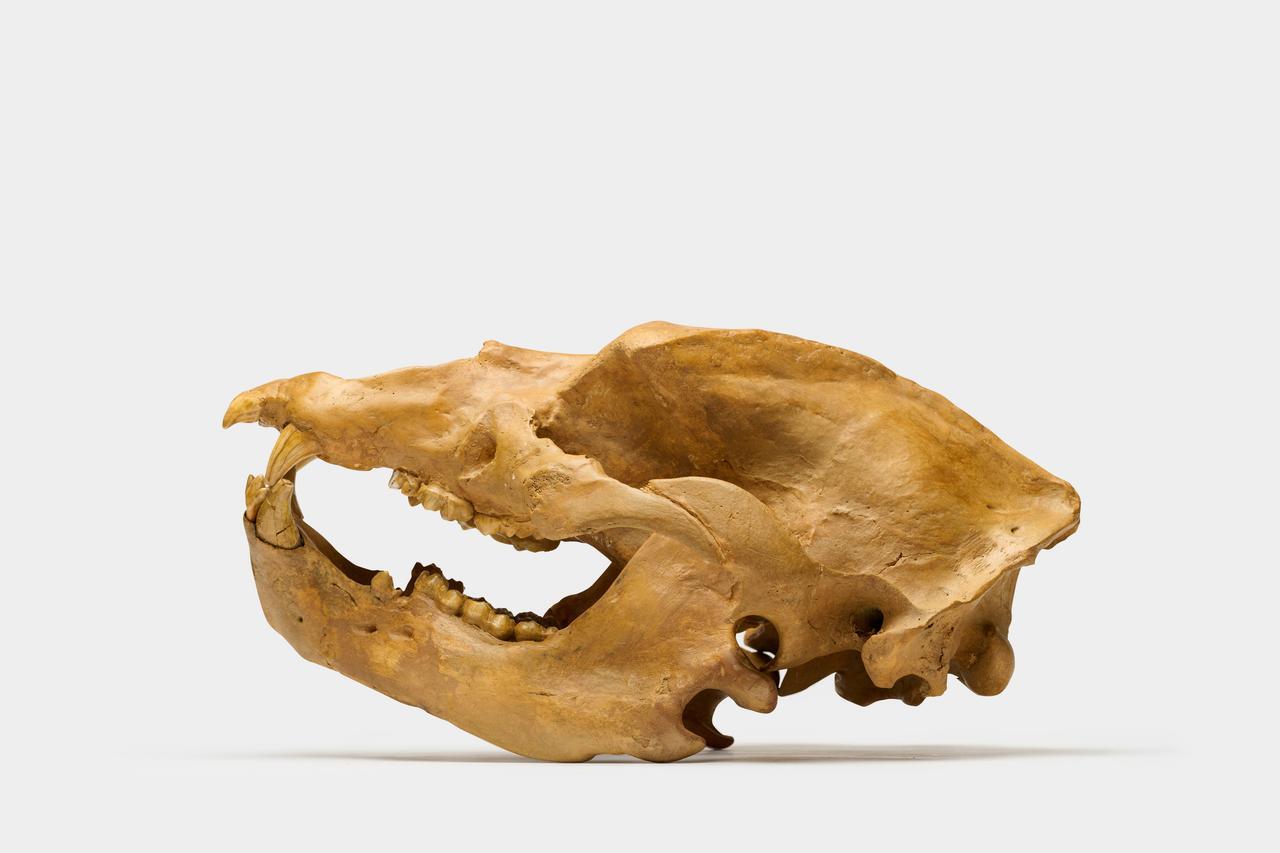
Mosasaurier - Fossiler Zahn - 45 mm  (Ohne mindestpreis)
Höchstgebot
€ 75
Vor 4 Wochen

Mosasaurier - Fossiler Zahn - 45 mm (Ohne mindestpreis)

Impressive Mosasaurus Tooth – Late Cretaceous (70–66 Million Years Old) – Khouribga, Morocco A tangible relic from the age of dinosaurs. This exceptionally well-preserved Mosasaurus tooth originates from the world-famous phosphate deposits of Khouribga, Morocco, and dates to the Late Cretaceous (Maastrichtian, approx. 70–66 million years ago) — the final chapter before the mass extinction that ended the reign of the dinosaurs. The Late Cretaceous – A World Before the End During the Late Cretaceous, vast parts of today’s continents were covered by warm, shallow seas. The climate was tropical, sea levels were high, and marine ecosystems flourished with extraordinary diversity. Only a few million years after this tooth belonged to a living predator, the catastrophic asteroid impact marked the end of the Cretaceous period. This fossil is therefore a direct witness to a lost world — existing just before one of the most dramatic turning points in Earth’s history. Mosasaurus – Apex Predator of the Ancient Seas Mosasaurus hoffmannii was not a dinosaur, but a gigantic marine lizard related to modern monitor lizards. Some species reached lengths of up to 15–18 meters (50–60 feet). With powerful jaws lined with sharp, conical teeth, it ruled the oceans as an apex predator. Its teeth were perfectly adapted to: - Firmly gripping prey - Piercing fish and marine reptiles - Crushing shells and armored animals The offered tooth is in excellent condition, displaying: - Beautifully preserved enamel - Well-defined natural ridges - Strong, elegant shape - Authentic fossil coloration A striking and authentic specimen combining scientific significance with strong display appeal. Provenance – Khouribga, Morocco The region of Khouribga is globally renowned for its rich Late Cretaceous phosphate beds. These deposits are among the most important marine fossil sites in the world. For decades, remarkable fossils of mosasaurs, sharks, sea turtles, and other marine reptiles have been discovered here. The unique geological conditions of the phosphate layers allow for outstanding fossil preservation, making specimens from this region highly desirable among collectors worldwide. Why This Specimen Stands Out - Genuine Late Cretaceous fossil (70–66 million years old) - From one of the world’s most famous fossil localities - Excellent state of preservation - Strong aesthetic and display value - A true piece of natural history This is not just a fossil. It is a remnant of a predator that once dominated prehistoric oceans. A powerful conversation piece. A collector’s highlight. A 70-million-year-old fragment of Earth’s ancient seas — now within reach.

Nr. 101885553

Verkauft
Mosasaurier - Fossiler Zahn - 45 mm  (Ohne mindestpreis)

Mosasaurier - Fossiler Zahn - 45 mm (Ohne mindestpreis)

Impressive Mosasaurus Tooth – Late Cretaceous (70–66 Million Years Old) – Khouribga, Morocco

A tangible relic from the age of dinosaurs.
This exceptionally well-preserved Mosasaurus tooth originates from the world-famous phosphate deposits of Khouribga, Morocco, and dates to the Late Cretaceous (Maastrichtian, approx. 70–66 million years ago) — the final chapter before the mass extinction that ended the reign of the dinosaurs.

The Late Cretaceous – A World Before the End

During the Late Cretaceous, vast parts of today’s continents were covered by warm, shallow seas. The climate was tropical, sea levels were high, and marine ecosystems flourished with extraordinary diversity.

Only a few million years after this tooth belonged to a living predator, the catastrophic asteroid impact marked the end of the Cretaceous period. This fossil is therefore a direct witness to a lost world — existing just before one of the most dramatic turning points in Earth’s history.

Mosasaurus – Apex Predator of the Ancient Seas

Mosasaurus hoffmannii was not a dinosaur, but a gigantic marine lizard related to modern monitor lizards. Some species reached lengths of up to 15–18 meters (50–60 feet). With powerful jaws lined with sharp, conical teeth, it ruled the oceans as an apex predator.

Its teeth were perfectly adapted to:

- Firmly gripping prey
- Piercing fish and marine reptiles
- Crushing shells and armored animals

The offered tooth is in excellent condition, displaying:

- Beautifully preserved enamel
- Well-defined natural ridges
- Strong, elegant shape
- Authentic fossil coloration

A striking and authentic specimen combining scientific significance with strong display appeal.

Provenance – Khouribga, Morocco

The region of Khouribga is globally renowned for its rich Late Cretaceous phosphate beds. These deposits are among the most important marine fossil sites in the world. For decades, remarkable fossils of mosasaurs, sharks, sea turtles, and other marine reptiles have been discovered here.

The unique geological conditions of the phosphate layers allow for outstanding fossil preservation, making specimens from this region highly desirable among collectors worldwide.

Why This Specimen Stands Out

- Genuine Late Cretaceous fossil (70–66 million years old)
- From one of the world’s most famous fossil localities
- Excellent state of preservation
- Strong aesthetic and display value
- A true piece of natural history

This is not just a fossil.
It is a remnant of a predator that once dominated prehistoric oceans.

A powerful conversation piece.
A collector’s highlight.
A 70-million-year-old fragment of Earth’s ancient seas — now within reach.

Ähnliche Objekte

Für Sie aus der Kategorie

Fossilien

Suchalarm einrichten
Richten Sie einen Suchalarm ein, um benachrichtigt zu werden, sobald neue passende Objekte verfügbar sind.

Dieses Objekt wurde vorgestellt in:


So kaufen Sie auf Catawiki

Mehr zum Käuferschutz erfahren

      1. Etwas Besonderes entdecken

      Entdecken Sie in unseren Auktionen Tausende von besonderen Objekten, die von Experten ausgewählt wurden. Sehen Sie sich die Fotos, die ausführliche Beschreibung und den Schätzwert der besonderen Objekte an, die Sie interessieren. 

      2. Höchstgebot abgeben

      Finden Sie etwas, das Sie begeistert, und geben Sie das Höchstgebot ab. Sie können die Auktion bis zum Schluss mitverfolgen oder unser System für Sie bieten lassen. Dazu müssen Sie einfach nur den Maximalbetrag eingeben, den Sie für das jeweilige Objekt ausgeben möchten. 

      3. Sichere Zahlung durchführen

      Bezahlen Sie Ihr besonderes Objekt und wir verwahren Ihre Zahlung, bis Ihr Objekt unversehrt bei Ihnen angekommen ist. Wir wickeln alle Transaktionen mit einem zuverlässigen und sicheren Zahlungssystem ab. 

Haben Sie etwas Ähnliches zu verkaufen?

Unabhängig davon, ob Online-Auktionen Neuland für Sie sind oder ob Sie gewerblich verkaufen – wir helfen Ihnen, mehr mit Ihren besonderen Objekten zu verdienen.

Objekt verkaufen