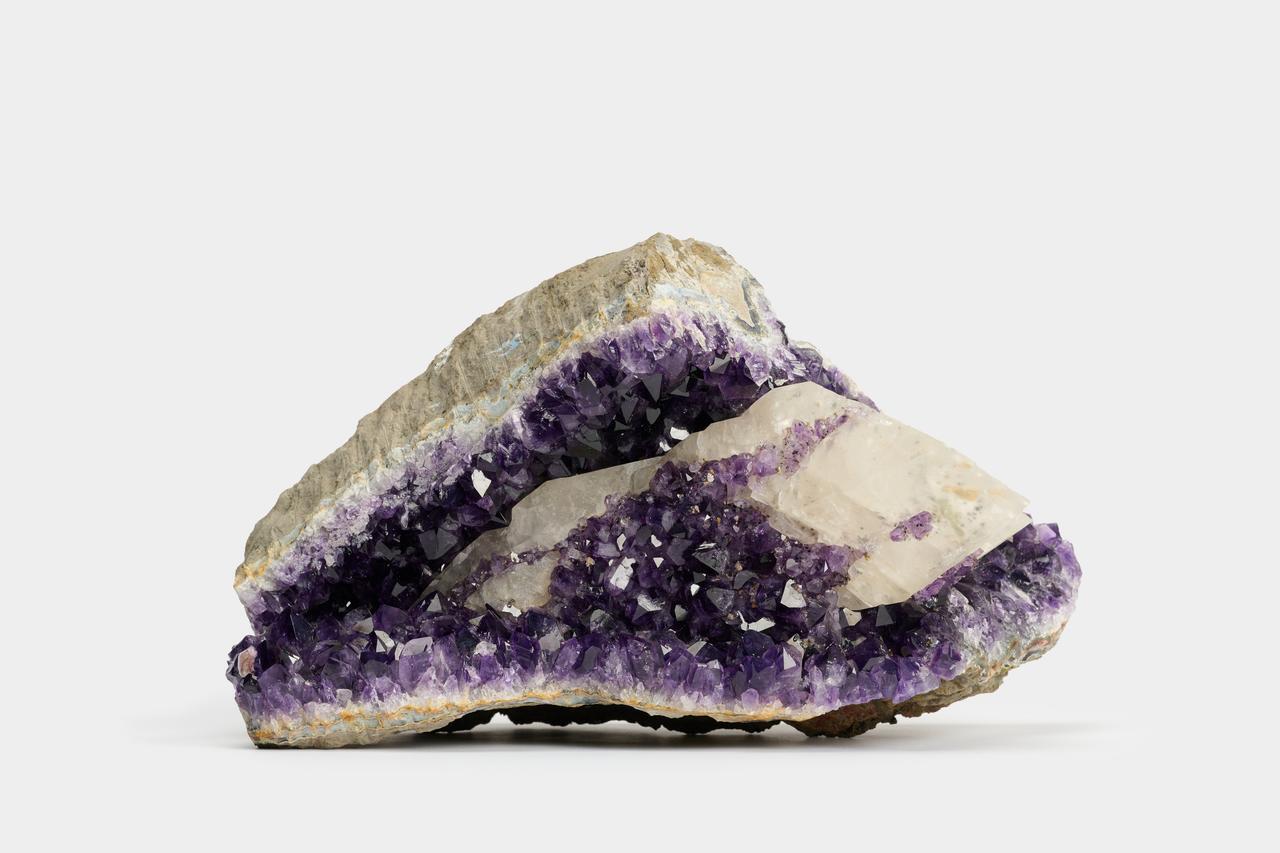
NWA 15009 – Diogenite Slice with Intense Green Colouration - Sparkling Orthopyroxene Crystals and Fusion Crust - 33.34 g - (1)


12
Tage
02
Stunden
03
Minuten
49
Sekunden
Startgebot
€ 1
Mindestpreis nicht erreicht

Experte
Von Francesco Moser ausgewählt
Über 20 Jahre Erfahrung mit Meteoriten; ehemaliger Museumsleiter und Restaurator.
Schätzung € 450 - € 500
Es wurden keine Gebote abgegeben
Käuferschutz auf Catawiki
Ihre Zahlung wird von uns sicher verwahrt, bis Sie Ihr Objekt erhalten.Details ansehen
Trustpilot 4.4 | 139556 Bewertungen
Auf Trustpilot als hervorragend bewertet.
NWA 15009 – Diogenit-Scheibe mit intens grüner Färbung aus Österreich, Gewicht 33,34 g, mit funkelnden Orthopyroxen-Kristallen und einer Fusionkruste.
KI-gestützte Zusammenfassung
Vom Verkäufer bereitgestellte Beschreibung
NWA 15009 – Exceptional 33,34 g Diogenite Slice with Intense Green Colouration, Sparkling Orthopyroxene Crystals and Fusion Crust
Offered here is an exceptional 33,34 g slice of the diogenite NWA 15009. Even within this fascinating meteorite class, this specimen stands out for its unusually intense green colouration and its remarkable abundance of clearly visible crystals.
The most impressive characteristic of this slice is its almost continuous green colouration. The green is not limited to a few isolated grains or small areas, but extends in varying shades across nearly the entire cut surface.
From pale olive-green sections to more intense moss-green crystals, the specimen displays an exceptionally harmonious and almost gemstone-like appearance. Such intense and extensive green colouration is extremely rare among diogenites, especially in a specimen of this size and quality.
One side of the slice has been professionally polished to a high gloss in order to reveal its internal crystalline structure as clearly as possible. Thanks to this high-quality polish, the numerous green orthopyroxene crystals are displayed to particularly striking effect.
Many of the exposed crystal surfaces exhibit a pronounced glass-like lustre. Under direct or changing light, they begin to sparkle intensely, causing different areas of the surface to flash as the specimen is moved. This creates a fascinating sense of depth that can only be partially captured in photographs.
In person, the slice is therefore even more impressive: countless green crystals reflect the light from different angles, giving the highly polished surface an extraordinary brilliance.
Sections of the original dark fusion crust are also preserved along parts of the outer edge. This creates a beautiful natural contrast with the pale green interior and further emphasises the specimen’s authentic meteoritic character.
NWA 15009 is officially classified as an HED achondrite – diogenite and exhibits a monomict brecciated structure. The meteorite is dominated by blocky orthopyroxene crystals, some of which reach sizes of up to approximately 5 mm, embedded within a finer-grained matrix of related material.
In addition to orthopyroxene, NWA 15009 contains minor amounts of other mineral phases, including plagioclase, silica, chromite, troilite and metallic iron. This mineralogical composition makes the specimen not only visually exceptional, but also scientifically fascinating.
Diogenites are among the oldest igneous rocks in our Solar System. They originate from a differentiated planetary body and are strongly associated with the asteroid 4 Vesta.
Diogenites are believed to have formed deep within their parent body, most likely in its lower crust or within the transition zone towards the upper mantle. There, the material cooled slowly over a very long period of time, allowing the characteristic orthopyroxene crystals to develop.
Only later, through enormous impact events, was this material excavated from deep inside the parent body and launched on its long journey through the Solar System.
This slice is therefore far more than an aesthetically beautiful meteorite. It is a genuine fragment from deep within an ancient planetary body – a piece of rock formed far beneath the surface of another world.
Weighing 33,34 g, this individual slice represents a remarkably substantial proportion for a single collector’s specimen.
What makes this particular specimen especially outstanding is the rare combination of:
substantial size, exceptionally intense and nearly continuous green colouration, an extraordinary abundance of visibly sparkling orthopyroxene crystals, a finely polished presentation surface and preserved original fusion crust.
This is not merely a representative type specimen, but a museum-worthy display piece with exceptional visual presence. Its powerful green colouration immediately attracts attention, while closer examination of the polished surface reveals an ever-changing wealth of crystalline details.
For discerning collectors of diogenites, HED meteorites and particularly aesthetic achondrites, this represents a rare opportunity to acquire a specimen whose appearance would be extremely difficult to replace.
Every crystal arrangement, every colour variation and every structural detail of this slice is unique. Once this exact specimen has been sold, there will never be another identical example.
As a member of the International Meteorite Collectors Association – IMCA #7379 and the Global Meteorite Association – GMA #G0117, I guarantee the authenticity of every meteorite I offer.
The specimen will, of course, be supplied with a corresponding Certificate of Authenticity, allowing you to bid with complete confidence.
An exceptional combination of cosmic history, scientific significance and natural beauty – and a rare opportunity to add a particularly impressive diogenite slice with intensely green, sparkling orthopyroxene crystals to your collection.
Thank you and good luck with your bidding!
IMCA #7379
GMA #G0117
NWA 15009 – Exceptional 33,34 g Diogenite Slice with Intense Green Colouration, Sparkling Orthopyroxene Crystals and Fusion Crust
Offered here is an exceptional 33,34 g slice of the diogenite NWA 15009. Even within this fascinating meteorite class, this specimen stands out for its unusually intense green colouration and its remarkable abundance of clearly visible crystals.
The most impressive characteristic of this slice is its almost continuous green colouration. The green is not limited to a few isolated grains or small areas, but extends in varying shades across nearly the entire cut surface.
From pale olive-green sections to more intense moss-green crystals, the specimen displays an exceptionally harmonious and almost gemstone-like appearance. Such intense and extensive green colouration is extremely rare among diogenites, especially in a specimen of this size and quality.
One side of the slice has been professionally polished to a high gloss in order to reveal its internal crystalline structure as clearly as possible. Thanks to this high-quality polish, the numerous green orthopyroxene crystals are displayed to particularly striking effect.
Many of the exposed crystal surfaces exhibit a pronounced glass-like lustre. Under direct or changing light, they begin to sparkle intensely, causing different areas of the surface to flash as the specimen is moved. This creates a fascinating sense of depth that can only be partially captured in photographs.
In person, the slice is therefore even more impressive: countless green crystals reflect the light from different angles, giving the highly polished surface an extraordinary brilliance.
Sections of the original dark fusion crust are also preserved along parts of the outer edge. This creates a beautiful natural contrast with the pale green interior and further emphasises the specimen’s authentic meteoritic character.
NWA 15009 is officially classified as an HED achondrite – diogenite and exhibits a monomict brecciated structure. The meteorite is dominated by blocky orthopyroxene crystals, some of which reach sizes of up to approximately 5 mm, embedded within a finer-grained matrix of related material.
In addition to orthopyroxene, NWA 15009 contains minor amounts of other mineral phases, including plagioclase, silica, chromite, troilite and metallic iron. This mineralogical composition makes the specimen not only visually exceptional, but also scientifically fascinating.
Diogenites are among the oldest igneous rocks in our Solar System. They originate from a differentiated planetary body and are strongly associated with the asteroid 4 Vesta.
Diogenites are believed to have formed deep within their parent body, most likely in its lower crust or within the transition zone towards the upper mantle. There, the material cooled slowly over a very long period of time, allowing the characteristic orthopyroxene crystals to develop.
Only later, through enormous impact events, was this material excavated from deep inside the parent body and launched on its long journey through the Solar System.
This slice is therefore far more than an aesthetically beautiful meteorite. It is a genuine fragment from deep within an ancient planetary body – a piece of rock formed far beneath the surface of another world.
Weighing 33,34 g, this individual slice represents a remarkably substantial proportion for a single collector’s specimen.
What makes this particular specimen especially outstanding is the rare combination of:
substantial size, exceptionally intense and nearly continuous green colouration, an extraordinary abundance of visibly sparkling orthopyroxene crystals, a finely polished presentation surface and preserved original fusion crust.
This is not merely a representative type specimen, but a museum-worthy display piece with exceptional visual presence. Its powerful green colouration immediately attracts attention, while closer examination of the polished surface reveals an ever-changing wealth of crystalline details.
For discerning collectors of diogenites, HED meteorites and particularly aesthetic achondrites, this represents a rare opportunity to acquire a specimen whose appearance would be extremely difficult to replace.
Every crystal arrangement, every colour variation and every structural detail of this slice is unique. Once this exact specimen has been sold, there will never be another identical example.
As a member of the International Meteorite Collectors Association – IMCA #7379 and the Global Meteorite Association – GMA #G0117, I guarantee the authenticity of every meteorite I offer.
The specimen will, of course, be supplied with a corresponding Certificate of Authenticity, allowing you to bid with complete confidence.
An exceptional combination of cosmic history, scientific significance and natural beauty – and a rare opportunity to add a particularly impressive diogenite slice with intensely green, sparkling orthopyroxene crystals to your collection.
Thank you and good luck with your bidding!
IMCA #7379
GMA #G0117
Details
Stückzahl
1
Name Meteorit
NWA 15009 – Diogenite Slice with Intense Green Colouration
Art Meteorit
- Sparkling Orthopyroxene Crystals and Fusion Crust
Gewicht
33,34 g
Herkunftsland
Österreich
Verkauft von