Nr. 98532144

Verkauft
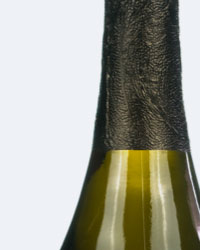
2002 Dom Pérignon, P2 - Champagne Brut - 1 Flasche (0,75 l)
Höchstgebot
€ 360
Vor 10 Wochen

2002 Dom Pérignon, P2 - Champagne Brut - 1 Flasche (0,75 l)

2002 Dom Perignon P2 Plenitude Brut Preserved in an impeccable way in a natural cellar without light with controlled humidity and temperature Il Dom Perignon P2 incarna alla perfezione tutta l’energia, l’intensità e la profondità dei più grandi Champagne Millesimati. Si tratta del Dom Perignon assoluto, nato da un invecchiamento prolungato sui lieviti, per un totale di 15 anni. È capace di stupire e impressionare: una materia liquida setosa, cremosa, densa, burrosa e tostata, dotata però di un’incredibile vitalità, di una vibrante freschezza e di una mineralità iodata di grande precisione. Dom Pérignon is a celebrated Champagne brand owned by Moët & Chandon. Its origins can be traced back to the Abbey of Saint Pierre d'Hautvillers in northern France – the so-called birthplace of Champagne. The 17th-Century Benedictine monk Dom Pierre Pérignon is credited with its invention after taking up the position as the abbey's cellarer and procurator in 1668. Pierre Pérignon spent the remaining 47 years of his life striving to create the "best wine in the world", with his wine even gracing the tables of the court of King Louis XIV, the Sun King. To this day the Abbey of Saint Pierre d'Hautvillers houses the "Le Traité de la culture des vignes de Champagne", or the "Treatise on the culture of the vines of Champagne", a manuscript that was penned by Dom Pierre – Pérignon's pupil and successor. The Dom Pérignon brand name was first registered by Eugène Mercier, the founder of Mercier Champagne. He subsequently sold the brand to the Moët & Chandon Champagne house, who used the Dom Pérignon name for its prestige cuvée, first released in 1937. Both Moët & Chandon and Dom Pérignon are now part of the LVMH group. Dom Pérignon has set down its guiding winemaking principles in a manifesto. This document declares Dom Pérignon's commitment to vintage wine blended from Chardonnay and Pinot Noir grapes. Each vintage of Dom Pérignon is unique, with grapes sourced from only the best vineyards in Champagne. Unlike most Champagne producers who harvest the grapes early, the preference established under former cellarmaster Richard Geoffroy was to wait for the grapes to ripen slowly. The highly-respected Geoffroy was chef de cave from 1990 to January, 2019, when he handed over the reins to his assistant, Vincent Chaperon. Geoffroy was considered very much the face of the brand and perhaps the best-known figure within the modern Champagne industry. The portfolio From 2014, Dom Pérignon abandoned the term Oenothèque to describe its aged, late-release Champagnes. Instead Geoffroy introduced the Plénitude concept, with three releases at different stages of the wine's development. The wine is left in contact with the lees for a slow, but active maturation, carefully monitored by the chef de cave. When a window of opportunity, or "plénitude", presents itself, some of the wine is disgorged and released to consumers. Each vintage has three Plénitudes. The first occurs after approximately nine years; this is the "standard" Dom Pérignon Vintage. The wine might reach its second Plénitude at approximately 12-15 years. This bottling is Dom Pérignon P2, formerly known as the first oenothèque. The final Plénitude, Dom Pérignon P3, may occur after approximately 25 years. All the time bands quoted are generalizations, and individual releases may be much older. Dom Pérignon Rosé was first made in 1959. It has not been made in every declared vintage. Oenothéque, P2 and P3 versions are even more rare.

Nr. 98532144

Verkauft
2002 Dom Pérignon, P2 - Champagne Brut - 1 Flasche (0,75 l)

2002 Dom Pérignon, P2 - Champagne Brut - 1 Flasche (0,75 l)

2002 Dom Perignon P2 Plenitude Brut

Preserved in an impeccable way in a natural cellar without light with controlled humidity and temperature

Il Dom Perignon P2 incarna alla perfezione tutta l’energia, l’intensità e la profondità dei più grandi Champagne Millesimati. Si tratta del Dom Perignon assoluto, nato da un invecchiamento prolungato sui lieviti, per un totale di 15 anni. È capace di stupire e impressionare: una materia liquida setosa, cremosa, densa, burrosa e tostata, dotata però di un’incredibile vitalità, di una vibrante freschezza e di una mineralità iodata di grande precisione.

Dom Pérignon is a celebrated Champagne brand owned by Moët & Chandon. Its origins can be traced back to the Abbey of Saint Pierre d'Hautvillers in northern France – the so-called birthplace of Champagne.

The 17th-Century Benedictine monk Dom Pierre Pérignon is credited with its invention after taking up the position as the abbey's cellarer and procurator in 1668. Pierre Pérignon spent the remaining 47 years of his life striving to create the "best wine in the world", with his wine even gracing the tables of the court of King Louis XIV, the Sun King.

To this day the Abbey of Saint Pierre d'Hautvillers houses the "Le Traité de la culture des vignes de Champagne", or the "Treatise on the culture of the vines of Champagne", a manuscript that was penned by Dom Pierre – Pérignon's pupil and successor.

The Dom Pérignon brand name was first registered by Eugène Mercier, the founder of Mercier Champagne. He subsequently sold the brand to the Moët & Chandon Champagne house, who used the Dom Pérignon name for its prestige cuvée, first released in 1937.

Both Moët & Chandon and Dom Pérignon are now part of the LVMH group.

Dom Pérignon has set down its guiding winemaking principles in a manifesto. This document declares Dom Pérignon's commitment to vintage wine blended from Chardonnay and Pinot Noir grapes.

Each vintage of Dom Pérignon is unique, with grapes sourced from only the best vineyards in Champagne. Unlike most Champagne producers who harvest the grapes early, the preference established under former cellarmaster Richard Geoffroy was to wait for the grapes to ripen slowly.

The highly-respected Geoffroy was chef de cave from 1990 to January, 2019, when he handed over the reins to his assistant, Vincent Chaperon. Geoffroy was considered very much the face of the brand and perhaps the best-known figure within the modern Champagne industry.

The portfolio

From 2014, Dom Pérignon abandoned the term Oenothèque to describe its aged, late-release Champagnes. Instead Geoffroy introduced the Plénitude concept, with three releases at different stages of the wine's development.

The wine is left in contact with the lees for a slow, but active maturation, carefully monitored by the chef de cave. When a window of opportunity, or "plénitude", presents itself, some of the wine is disgorged and released to consumers.

Each vintage has three Plénitudes. The first occurs after approximately nine years; this is the "standard" Dom Pérignon Vintage.

The wine might reach its second Plénitude at approximately 12-15 years. This bottling is Dom Pérignon P2, formerly known as the first oenothèque. The final Plénitude, Dom Pérignon P3, may occur after approximately 25 years. All the time bands quoted are generalizations, and individual releases may be much older.

Dom Pérignon Rosé was first made in 1959. It has not been made in every declared vintage. Oenothéque, P2 and P3 versions are even more rare.

Höchstgebot
€ 360
Patricia Verschelling
Experte
Schätzung  € 400 - € 500

Ähnliche Objekte

Für Sie aus der Kategorie

Champagner

Suchalarm einrichten
Richten Sie einen Suchalarm ein, um benachrichtigt zu werden, sobald neue passende Objekte verfügbar sind.

Dieses Objekt wurde vorgestellt in:


So kaufen Sie auf Catawiki

Mehr zum Käuferschutz erfahren

      1. Etwas Besonderes entdecken

      Entdecken Sie in unseren Auktionen Tausende von besonderen Objekten, die von Experten ausgewählt wurden. Sehen Sie sich die Fotos, die ausführliche Beschreibung und den Schätzwert der besonderen Objekte an, die Sie interessieren. 

      2. Höchstgebot abgeben

      Finden Sie etwas, das Sie begeistert, und geben Sie das Höchstgebot ab. Sie können die Auktion bis zum Schluss mitverfolgen oder unser System für Sie bieten lassen. Dazu müssen Sie einfach nur den Maximalbetrag eingeben, den Sie für das jeweilige Objekt ausgeben möchten. 

      3. Sichere Zahlung durchführen

      Bezahlen Sie Ihr besonderes Objekt und wir verwahren Ihre Zahlung, bis Ihr Objekt unversehrt bei Ihnen angekommen ist. Wir wickeln alle Transaktionen mit einem zuverlässigen und sicheren Zahlungssystem ab. 

Haben Sie etwas Ähnliches zu verkaufen?

Unabhängig davon, ob Online-Auktionen Neuland für Sie sind oder ob Sie gewerblich verkaufen – wir helfen Ihnen, mehr mit Ihren besonderen Objekten zu verdienen.

Objekt verkaufen