Nr. 99326138

Nicht mehr verfügbar
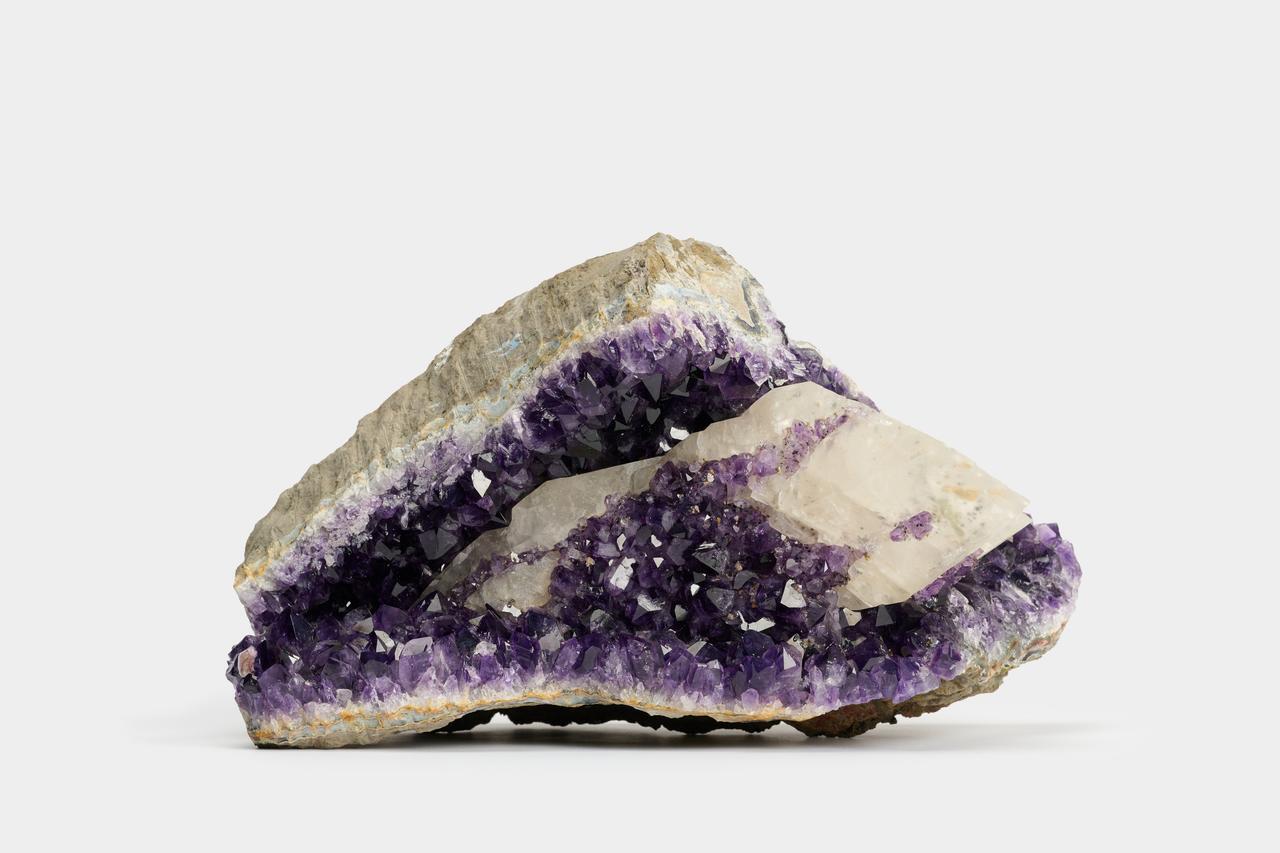
NWA 17660 Eucrit Polymikt HED Achondrit Meteoriten Halbstein 154g HED Achondrite - Eucrite Polymict - 154 g
Auktion beendet
Vor 1 Woche

NWA 17660 Eucrit Polymikt HED Achondrit Meteoriten Halbstein 154g HED Achondrite - Eucrite Polymict - 154 g

Meteorite type CLASS / OFFICIAL NAME or NUMBER (Meteoritical Bulletin Database): NWA 17660 - HED Achondrite - Eucrite Polymict FALL/FIND LOCATION: North West Africa WEIGHT: 153,97g half stone Size: 7cm x 4cm x 3,9cm Meteoritical Bulletin Database entry: NWA 17660 Eucrite Polymict Writeup from Meteoritical Bulletin Database: Northwest Africa 17660 (NWA 17660) (Northwest Africa) Purchased: 2024 Sep Classification: HED achondrite (Eucrite, polymict) History: Purchased by Juan Aviles Poblador in September 2024 from a dealer in Erfoud, Morocco. Petrography: (A. Irving, UWS, and P. Carpenter, WUSL) Complex breccia composed of angular mineral clasts, some fine- to medium-grained lithic clasts with subophitic to intergranular textures, and ~10 vol.% distributed rounded lithic breccia clasts in a fine grained fragmental matrix. The major minerals are exsolved pigeonite, unexsolved pigeonite, calcic plagioclase, subcalcic augite and augite. Minor constituents are diogenitic orthopyroxene (~5 vol.%), silica polymorph, Ilmenite, low-Ti chromite, troilite, fayalite, merrillite, zircon and kamacite. The unusual rounded lithic breccia clasts consist of sparse angular fragments of many of those same mineral phases within an ultra-fine grained opaque to isotropic, microcrystalline to glassy, aluminous matrix (deep sepia brown in thin section), which may represent a quenched melt. Several thin cross-cutting shock melt veinlets are present in the studied thin section. Geochemistry: Low-Ca pyroxene (Fs64.3Wo2.8; Fs55.5Wo3.3; FeO/MnO = 32-33, N = 2), pigeonite (Fs37.0-40.2Wo6.7-8.0, FeO/MnO = 31-34, N = 2), subcalcic augite (Fs34.3Wo31.9, FeO/MnO = 30), augite (Fs29.4Wo43.0, FeO/MnO = 35), diogenitic orthopyroxene (Fs29.8-31.3Wo4.9-4.4, FeO/MnO = 28-29, N = 2), plagioclase (An79.6-91.8Or1.4-0.2, N = 4), fayalite (Fa75.9-77.8, FeO/MnO = 43-44, N =2), matrix of (?)regolithic breccia clasts with aluminous subcalcic augite bulk composition (Fs43.5Wo29.0, FeO/MnO = 34, Al2O3 13.1 wt.%). Classification: Eucrite (polymict breccia). This specimen is unusual because of its significant content of eucritic breccia clasts with a microcrystalline to glassy aluminous matrix, which may signify a regolithic component. Specimens: 27.6 g including one polished thin section at UWB; remainder with Mr. Juan Aviles Poblador. Observations: The authenticity of this specimen is guaranteed and certified by me, the Geologist Juan A. Poblador, member of the Global Meteorite Association G0043 and International Meteorite Collectors Association IMCA 5681. The fresh cut observed in the specimen is from where a sample was taken for classification and deposit in UWB. And also to make slices of the other half stone. Scale cube: 1x1cm Provenance chain: Im the main mass holder - Geologist Juan A. Poblador (Jurassic Dreams - Galactic Dreams Department). All of our meteorites come with a Certificate of Authenticity. Every week, the issued Certificates of Authenticity are updated in our database verification system on our website. If you find that your certificate has not yet been updated, please contact us and we will update it immediately. The meteorite would have started its journey to Earth as a result of a massive meteor strike on the Vesta asteroid surface, likely creating huge craters. That initial strike had sufficient force to eject this and other rocks from the surface of the Vesta asteroid at escape velocity, leaving them to float freely in space. Eventually, this mass intersected with the Earth's own orbit where its surface was flash-heated to 2,800 degrees Fahrenheit on entry, then rapidly cooled in the frigid temperatures of Earth's upper atmosphere, before slowing to approximately 200 miles per hour on its final descent. This fall would have lit the Saharan sky up before hurtling down to its site of discovery.

Nr. 99326138

Nicht mehr verfügbar
NWA 17660 Eucrit Polymikt HED Achondrit Meteoriten Halbstein 154g HED Achondrite - Eucrite Polymict - 154 g

NWA 17660 Eucrit Polymikt HED Achondrit Meteoriten Halbstein 154g HED Achondrite - Eucrite Polymict - 154 g

Meteorite type CLASS / OFFICIAL NAME or NUMBER (Meteoritical Bulletin Database): NWA 17660 - HED Achondrite - Eucrite Polymict

FALL/FIND LOCATION: North West Africa

WEIGHT: 153,97g half stone

Size: 7cm x 4cm x 3,9cm

Meteoritical Bulletin Database entry: NWA 17660 Eucrite Polymict

Writeup from Meteoritical Bulletin Database:

Northwest Africa 17660 (NWA 17660)

(Northwest Africa)

Purchased: 2024 Sep

Classification: HED achondrite (Eucrite, polymict)

History: Purchased by Juan Aviles Poblador in September 2024 from a dealer in Erfoud, Morocco.

Petrography: (A. Irving, UWS, and P. Carpenter, WUSL) Complex breccia composed of angular mineral clasts, some fine- to medium-grained lithic clasts with subophitic to intergranular textures, and ~10 vol.% distributed rounded lithic breccia clasts in a fine grained fragmental matrix. The major minerals are exsolved pigeonite, unexsolved pigeonite, calcic plagioclase, subcalcic augite and augite. Minor constituents are diogenitic orthopyroxene (~5 vol.%), silica polymorph, Ilmenite, low-Ti chromite, troilite, fayalite, merrillite, zircon and kamacite. The unusual rounded lithic breccia clasts consist of sparse angular fragments of many of those same mineral phases within an ultra-fine grained opaque to isotropic, microcrystalline to glassy, aluminous matrix (deep sepia brown in thin section), which may represent a quenched melt. Several thin cross-cutting shock melt veinlets are present in the studied thin section.

Geochemistry: Low-Ca pyroxene (Fs64.3Wo2.8; Fs55.5Wo3.3; FeO/MnO = 32-33, N = 2), pigeonite (Fs37.0-40.2Wo6.7-8.0, FeO/MnO = 31-34, N = 2), subcalcic augite (Fs34.3Wo31.9, FeO/MnO = 30), augite (Fs29.4Wo43.0, FeO/MnO = 35), diogenitic orthopyroxene (Fs29.8-31.3Wo4.9-4.4, FeO/MnO = 28-29, N = 2), plagioclase (An79.6-91.8Or1.4-0.2, N = 4), fayalite (Fa75.9-77.8, FeO/MnO = 43-44, N =2), matrix of (?)regolithic breccia clasts with aluminous subcalcic augite bulk composition (Fs43.5Wo29.0, FeO/MnO = 34, Al2O3 13.1 wt.%).

Classification: Eucrite (polymict breccia). This specimen is unusual because of its significant content of eucritic breccia clasts with a microcrystalline to glassy aluminous matrix, which may signify a regolithic component.

Specimens: 27.6 g including one polished thin section at UWB; remainder with Mr. Juan Aviles Poblador.

Observations:

The authenticity of this specimen is guaranteed and certified by me, the Geologist Juan A. Poblador, member of the Global Meteorite Association G0043 and International Meteorite Collectors Association IMCA 5681.

The fresh cut observed in the specimen is from where a sample was taken for classification and deposit in UWB. And also to make slices of the other half stone.

Scale cube: 1x1cm

Provenance chain: Im the main mass holder - Geologist Juan A. Poblador (Jurassic Dreams - Galactic Dreams Department).

All of our meteorites come with a Certificate of Authenticity. Every week, the issued Certificates of Authenticity are updated in our database verification system on our website. If you find that your certificate has not yet been updated, please contact us and we will update it immediately.

The meteorite would have started its journey to Earth as a result of a massive meteor strike on the Vesta asteroid surface, likely creating huge craters. That initial strike had sufficient force to eject this and other rocks from the surface of the Vesta asteroid at escape velocity, leaving them to float freely in space. Eventually, this mass intersected with the Earth's own orbit where its surface was flash-heated to 2,800 degrees Fahrenheit on entry, then rapidly cooled in the frigid temperatures of Earth's upper atmosphere, before slowing to approximately 200 miles per hour on its final descent. This fall would have lit the Saharan sky up before hurtling down to its site of discovery.


Auktion beendet
Francesco Moser
Experte
Schätzung  € 750 - € 900

Ähnliche Objekte

Für Sie aus der Kategorie

Mineralien und Meteoriten

Suchalarm einrichten
Richten Sie einen Suchalarm ein, um benachrichtigt zu werden, sobald neue passende Objekte verfügbar sind.

Dieses Objekt wurde vorgestellt in:


So kaufen Sie auf Catawiki

Mehr zum Käuferschutz erfahren

      1. Etwas Besonderes entdecken

      Entdecken Sie in unseren Auktionen Tausende von besonderen Objekten, die von Experten ausgewählt wurden. Sehen Sie sich die Fotos, die ausführliche Beschreibung und den Schätzwert der besonderen Objekte an, die Sie interessieren. 

      2. Höchstgebot abgeben

      Finden Sie etwas, das Sie begeistert, und geben Sie das Höchstgebot ab. Sie können die Auktion bis zum Schluss mitverfolgen oder unser System für Sie bieten lassen. Dazu müssen Sie einfach nur den Maximalbetrag eingeben, den Sie für das jeweilige Objekt ausgeben möchten. 

      3. Sichere Zahlung durchführen

      Bezahlen Sie Ihr besonderes Objekt und wir verwahren Ihre Zahlung, bis Ihr Objekt unversehrt bei Ihnen angekommen ist. Wir wickeln alle Transaktionen mit einem zuverlässigen und sicheren Zahlungssystem ab. 

Haben Sie etwas Ähnliches zu verkaufen?

Unabhängig davon, ob Online-Auktionen Neuland für Sie sind oder ob Sie gewerblich verkaufen – wir helfen Ihnen, mehr mit Ihren besonderen Objekten zu verdienen.

Objekt verkaufen