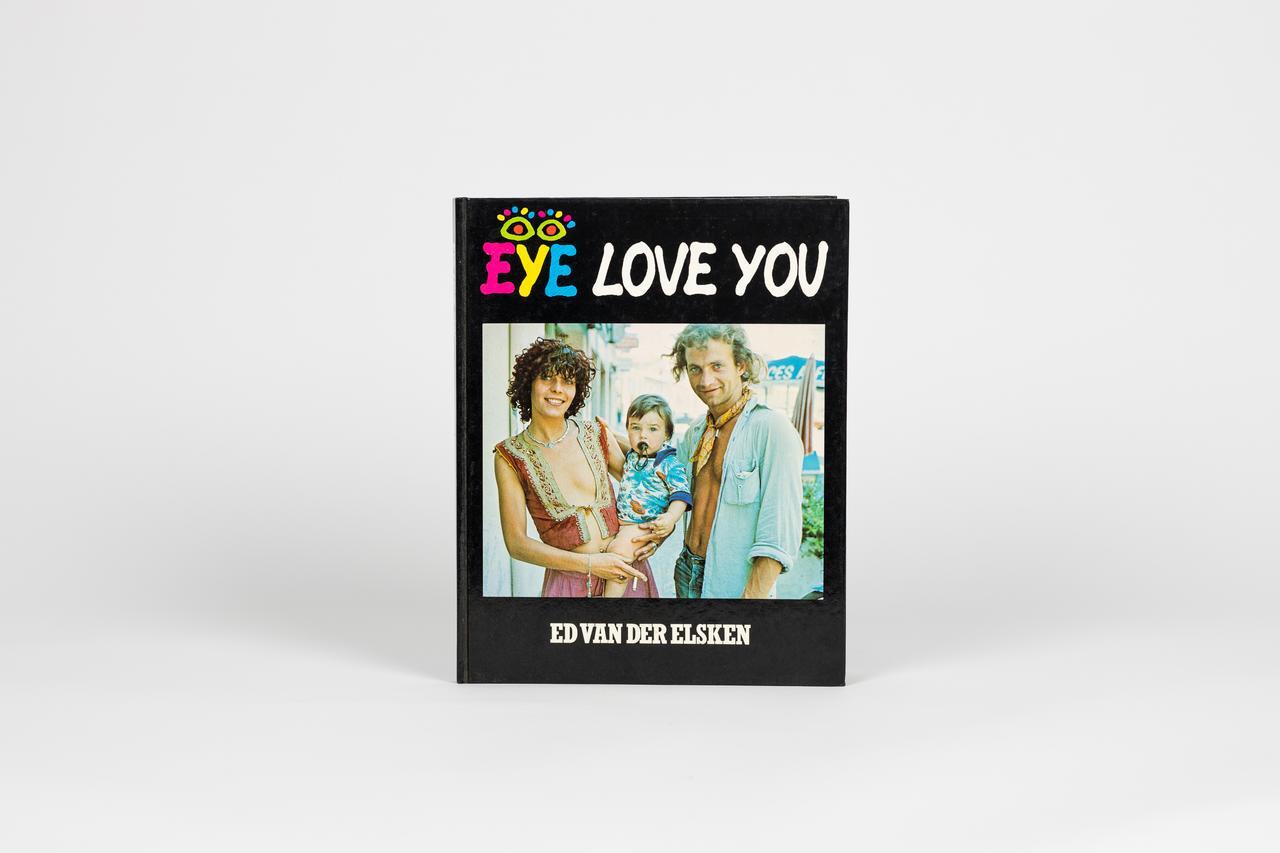
Oliviero Toscani - Facce, Facces [First Edition] - 1997
![Oliviero Toscani - Facce, Facces [First Edition] - 1997 #1.0](https://assets.catawiki.com/image/cw_ldp_l/plain/assets/catawiki/assets/2026/3/2/3/4/4/344e98b6-954c-496e-a3da-afe04984fc81.jpg)
![Oliviero Toscani - Facce, Facces [First Edition] - 1997 #1.0](https://assets.catawiki.com/image/cw_ldp_l/plain/assets/catawiki/assets/2026/3/2/f/2/5/f25d9e3b-d5c8-42dd-a68f-95f2231affe2.jpg)
![Oliviero Toscani - Facce, Facces [First Edition] - 1997 #2.1](https://assets.catawiki.com/image/cw_ldp_l/plain/assets/catawiki/assets/2026/3/2/5/4/1/5417007f-1d19-4552-a392-d9cc1552bc80.jpg)
![Oliviero Toscani - Facce, Facces [First Edition] - 1997 #3.2](https://assets.catawiki.com/image/cw_ldp_l/plain/assets/catawiki/assets/2026/3/2/b/6/9/b69a4010-61e9-4550-a961-f2f17dcce17b.jpg)
![Oliviero Toscani - Facce, Facces [First Edition] - 1997 #4.3](https://assets.catawiki.com/image/cw_ldp_l/plain/assets/catawiki/assets/2026/3/2/c/5/a/c5af5451-eacf-4023-bf44-6fafda03e171.jpg)
Add to your favourites to get an alert when the auction starts.
Catawiki Buyer Protection
Your payment’s safe with us until you receive your object.View details
Trustpilot 4.4 | 128340 reviews
Rated Excellent on Trustpilot.
Description from the seller
King Size Book 30x40 cm Book is in very good condition except for 2 tears in the clear acetate dust jacket. Please see the photos before bidding.Facce, Faces, Facce, Faces is a compelling visual and conceptual companion to the exhibition presented by Oliviero Toscani in 1997–1998 in the cities of Florence and Copenhagen. The book reflects Toscani’s long-standing fascination with human identity, diversity, and the communicative power of the face. Through an extensive collection of portraits, it explores the universality of human expression while simultaneously confronting social, cultural, and political divisions.
At its core, Facce, Faces, Facce, Faces is both an artistic statement and a sociological document. Toscani strips away contextual distractions, presenting faces in a direct, almost confrontational manner. The repetition suggested in the title underscores a central thesis: that beyond nationality, race, or ideology, the human face remains a shared language. Yet this apparent simplicity carries significant conceptual weight, especially when viewed in the broader context of Toscani’s career.
Any discussion of this book inevitably leads to Toscani’s controversial work during the 1990s for the fashion brand United Colors of Benetton. As the creative force behind some of the most provocative advertising campaigns of the decade, Toscani radically redefined the boundaries of commercial photography. Instead of showcasing clothing in conventional fashion imagery, he used advertising space to address taboo and socially charged subjects: AIDS, racism, war, capital punishment, and religious conflict.
These campaigns were widely debated. Critics accused Toscani of exploiting suffering to sell sweaters, arguing that the shock value overshadowed the products themselves. Supporters, however, praised him for transforming advertising into a platform for global dialogue. By placing stark, documentary-style images in mainstream media, he blurred the line between commerce and activism. The campaigns generated outrage, boycotts, and censorship in several countries, but they also secured international attention and redefined the visual language of 1990s advertising.
Facce, Faces, Facce, Faces can be understood as a continuation of this ethos. While less overtly confrontational than some of the Benetton campaigns, the book still challenges viewers to confront difference without mediation. The portraits emphasize diversity not as a marketing slogan, but as a lived, visible reality inscribed in each face. In this sense, the project extends Toscani’s broader philosophical inquiry: how imagery shapes perception, and how mass media can either reinforce or dismantle prejudice.
The exhibitions in Florence and Copenhagen contextualized these ideas within a European cultural framework at the end of the 20th century—a moment marked by globalization, migration, and renewed debates about identity. The book preserves that moment, capturing not only individual faces but also the intellectual climate in which Toscani’s work resonated so strongly.
In conclusion, Facce, Faces, Facce, Faces is more than a catalogue; it is a visual manifesto. It encapsulates Oliviero Toscani’s commitment to challenging complacency, provoking reflection, and redefining the role of photography in public discourse. Seen in light of his groundbreaking—and controversial—work for United Colors of Benetton, the book stands as a powerful testament to his belief that images can unsettle, disturb, and ultimately transform the way we see one another.
Seller's Story
King Size Book 30x40 cm Book is in very good condition except for 2 tears in the clear acetate dust jacket. Please see the photos before bidding.Facce, Faces, Facce, Faces is a compelling visual and conceptual companion to the exhibition presented by Oliviero Toscani in 1997–1998 in the cities of Florence and Copenhagen. The book reflects Toscani’s long-standing fascination with human identity, diversity, and the communicative power of the face. Through an extensive collection of portraits, it explores the universality of human expression while simultaneously confronting social, cultural, and political divisions.
At its core, Facce, Faces, Facce, Faces is both an artistic statement and a sociological document. Toscani strips away contextual distractions, presenting faces in a direct, almost confrontational manner. The repetition suggested in the title underscores a central thesis: that beyond nationality, race, or ideology, the human face remains a shared language. Yet this apparent simplicity carries significant conceptual weight, especially when viewed in the broader context of Toscani’s career.
Any discussion of this book inevitably leads to Toscani’s controversial work during the 1990s for the fashion brand United Colors of Benetton. As the creative force behind some of the most provocative advertising campaigns of the decade, Toscani radically redefined the boundaries of commercial photography. Instead of showcasing clothing in conventional fashion imagery, he used advertising space to address taboo and socially charged subjects: AIDS, racism, war, capital punishment, and religious conflict.
These campaigns were widely debated. Critics accused Toscani of exploiting suffering to sell sweaters, arguing that the shock value overshadowed the products themselves. Supporters, however, praised him for transforming advertising into a platform for global dialogue. By placing stark, documentary-style images in mainstream media, he blurred the line between commerce and activism. The campaigns generated outrage, boycotts, and censorship in several countries, but they also secured international attention and redefined the visual language of 1990s advertising.
Facce, Faces, Facce, Faces can be understood as a continuation of this ethos. While less overtly confrontational than some of the Benetton campaigns, the book still challenges viewers to confront difference without mediation. The portraits emphasize diversity not as a marketing slogan, but as a lived, visible reality inscribed in each face. In this sense, the project extends Toscani’s broader philosophical inquiry: how imagery shapes perception, and how mass media can either reinforce or dismantle prejudice.
The exhibitions in Florence and Copenhagen contextualized these ideas within a European cultural framework at the end of the 20th century—a moment marked by globalization, migration, and renewed debates about identity. The book preserves that moment, capturing not only individual faces but also the intellectual climate in which Toscani’s work resonated so strongly.
In conclusion, Facce, Faces, Facce, Faces is more than a catalogue; it is a visual manifesto. It encapsulates Oliviero Toscani’s commitment to challenging complacency, provoking reflection, and redefining the role of photography in public discourse. Seen in light of his groundbreaking—and controversial—work for United Colors of Benetton, the book stands as a powerful testament to his belief that images can unsettle, disturb, and ultimately transform the way we see one another.