No. 97925356

Sold
Parthian Kings. Orodes II (57-38 B.C.). AR Drachm Kangavar Mint. Reverse: archer seated right, holding bow; anchor behind, monograms above and below  (No Reserve Price)
Final bid
€ 63
12 weeks ago

Parthian Kings. Orodes II (57-38 B.C.). AR Drachm Kangavar Mint. Reverse: archer seated right, holding bow; anchor behind, monograms above and below (No Reserve Price)

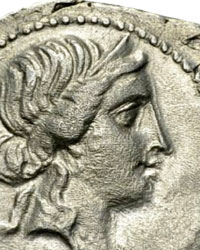
PARTHIAN KINGS Orodes II, 57–38 BC AR Drachm, Kangavar Mint Diameter: 22 mm Weight: 3.52 g Reference: Sellwood 46.15 ________________________________________ Obverse: Short-bearded bust of Orodes II facing left, wearing diadem and pellet-ended torque; crescent behind; circular border of pellets. Reverse: Beardless archer (Arsakes) seated right on throne, wearing bashlyk and cloak, holding bow in right hand. Greek letter Κ (for Kangavar) below bow. Seven-line Greek legend: ΒΑΣΙΛΕΩΣ ΒΑΣΙΛΕΩΝ ΑΡΣΑΚΟΥ ΕΥΕΡΓΕΤΟΥ ΔΙΚΑΙΟΥ ΕΠΙΦΑΝΟΥΣ ΦΙΛΕΛΛΗΝΟΣ “Of the King of Kings Arsaces, the Benefactor, the Just, the Illustrious, Friend of the Greeks.” No border. ________________________________________ Historical Background: Orodes II ruled the Parthian Empire during a volatile and militarily active period in the late Hellenistic world. After seizing the throne by overthrowing his brother Mithridates IV, his early reign was marred by civil conflict, but he soon stabilized his rule and achieved one of Parthia’s most famous military victories. In 53 BC, Orodes’ general Surena decisively defeated the Roman triumvir Crassus at the Battle of Carrhae, a catastrophic loss for Rome that cemented Parthia's reputation as a formidable power in the East. This battle not only checked Roman expansion but also marked the beginning of centuries of rivalry between Rome and Parthia. The mint of Kangavar, located in western Iran near modern-day Hamadan, was one of several regional mints active during Orodes' reign. Its strategic position along trade routes made it an important administrative and military center for the Parthians. The Greek legend on the reverse reflects lingering Hellenistic influences in Parthian political culture, long after Greek control had faded. Despite Parthia's Iranian roots, Greek remained the language of prestige on coinage, and rulers continued to use the dynastic name "Arsaces" to emphasize continuity with the founding monarch. The image of the seated archer, a hallmark of Parthian silver coinage, symbolizes both royal authority and cultural identity. The bashlyk (a soft, pointed hood) and the bow evoke the nomadic and military heritage of the Parthians, originally a tribe from Central Asia who overthrew the Seleucids in the 3rd century BC.

No. 97925356

Sold
Parthian Kings. Orodes II (57-38 B.C.). AR Drachm Kangavar Mint. Reverse: archer seated right, holding bow; anchor behind, monograms above and below  (No Reserve Price)

Parthian Kings. Orodes II (57-38 B.C.). AR Drachm Kangavar Mint. Reverse: archer seated right, holding bow; anchor behind, monograms above and below (No Reserve Price)

PARTHIAN KINGS
Orodes II, 57–38 BC
AR Drachm, Kangavar Mint
Diameter: 22 mm Weight: 3.52 g
Reference: Sellwood 46.15
________________________________________
Obverse:
Short-bearded bust of Orodes II facing left, wearing diadem and pellet-ended torque; crescent behind; circular border of pellets.
Reverse:
Beardless archer (Arsakes) seated right on throne, wearing bashlyk and cloak, holding bow in right hand. Greek letter Κ (for Kangavar) below bow.
Seven-line Greek legend:
ΒΑΣΙΛΕΩΣ ΒΑΣΙΛΕΩΝ ΑΡΣΑΚΟΥ ΕΥΕΡΓΕΤΟΥ ΔΙΚΑΙΟΥ ΕΠΙΦΑΝΟΥΣ ΦΙΛΕΛΛΗΝΟΣ
“Of the King of Kings Arsaces, the Benefactor, the Just, the Illustrious, Friend of the Greeks.”
No border.
________________________________________
Historical Background:
Orodes II ruled the Parthian Empire during a volatile and militarily active period in the late Hellenistic world. After seizing the throne by overthrowing his brother Mithridates IV, his early reign was marred by civil conflict, but he soon stabilized his rule and achieved one of Parthia’s most famous military victories.
In 53 BC, Orodes’ general Surena decisively defeated the Roman triumvir Crassus at the Battle of Carrhae, a catastrophic loss for Rome that cemented Parthia's reputation as a formidable power in the East. This battle not only checked Roman expansion but also marked the beginning of centuries of rivalry between Rome and Parthia.
The mint of Kangavar, located in western Iran near modern-day Hamadan, was one of several regional mints active during Orodes' reign. Its strategic position along trade routes made it an important administrative and military center for the Parthians.
The Greek legend on the reverse reflects lingering Hellenistic influences in Parthian political culture, long after Greek control had faded. Despite Parthia's Iranian roots, Greek remained the language of prestige on coinage, and rulers continued to use the dynastic name "Arsaces" to emphasize continuity with the founding monarch.
The image of the seated archer, a hallmark of Parthian silver coinage, symbolizes both royal authority and cultural identity. The bashlyk (a soft, pointed hood) and the bow evoke the nomadic and military heritage of the Parthians, originally a tribe from Central Asia who overthrew the Seleucids in the 3rd century BC.


Similar objects

For you in

Ancient Coins

Set a search alert
Set a search alert to get notified when new matches are available.

This object was featured in


How to buy on Catawiki

Learn more about our Buyer Protection

      1. Discover something special

      Browse through thousands of special objects selected by experts. View the photos, details and estimated value of each special object. 

      2. Place the top bid

      Find something you love and place the top bid. You can follow the auction to the end or let our system do the bidding for you. All you have to do is set a bid for the maximum amount you want to pay. 

      3. Make a secure payment

      Pay for your special object and we’ll keep your payment secure until it arrives safe and sound. We use a trusted payment system to handle all transactions. 

Have something similar to sell?

Whether you're new to online auctions or sell professionally, we can help you earn more for your special objects.

Sell your object