No. 99549169

No. 99549169
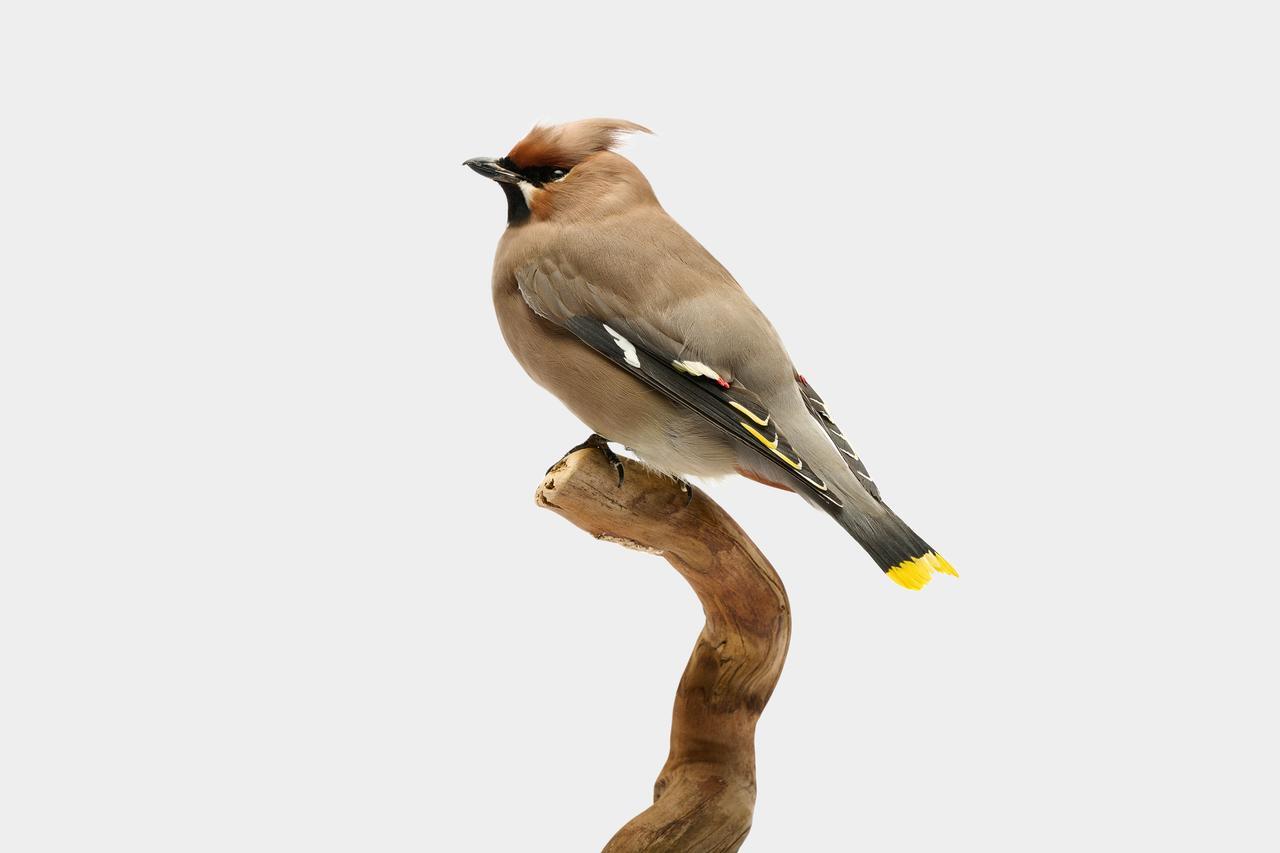
Goldcrest (Regulus regulus) – Female – Approx. 13 × 9 × 8 cm – Wall Mounted
In Excellent Condition – No Reserve
Imagine a soft beam of morning light falling across a quiet corner of your interior. Against the wall, this delicate female goldcrest appears almost weightless—its fine moss-green tones and subtle streaking giving a poetic, forest-like warmth. Mounted on a natural wooden slice with a hand-crafted branch perch, it brings the atmosphere of northern European woodland into a modern home, study, or collector’s display. A small yet captivating accent with true decorative presence.
A high-end quality late-1970s to early-1980s specimen, professionally prepared in the Netherlands.
Details
• Species: Goldcrest – Regulus regulus (female)
• Period: approx. late 1970s to early 1980s
• Dimensions: approx. 13 × 9 × 8 cm (h × w × d)
• Mounting: wall-mounted plaque with metal hanging hook on the backside
• Condition: preserved in good vintage taxidermy condition with natural ageing to the plumage
• Provenance: prepared by high-end taxidermist R. Knol, Sint Maartensdijk, Netherlands
• Legality: mounted legally and professionally in accordance with the 1936 Bird Act
Ring information
The metal ring visible on the leg is a typical bird-ring from the 1970s–1980s. These rings were issued by ornithological organisations or breeders for identification and research. They usually contain coded information such as the abbreviation of the issuing organisation, the breeder’s or ringer’s unique number, the year code, and a sequential identification number.
Historical context
The goldcrest is Europe’s smallest bird and has long held a special place in folklore and natural history. In several northern traditions it was called the “king of the birds,” believed to wear a golden crown. During the 1970s and 1980s, as woodland monitoring increased, the species became one of the most frequently ringed passerines in northwestern Europe, helping researchers understand migration routes and population health. This period marks the height of small-bird educational taxidermy in the Netherlands.
A poetic, atmospheric piece for both natural-history enthusiasts and interior-minded collectors.
How to buy on Catawiki
1. Discover something special
2. Place the top bid
3. Make a secure payment