Francien Krieg - The Face We Inherited


03
dagen
16
uren
05
minuten
37
seconden
Huidig bod
€ 25
Minimumprijs niet bereikt
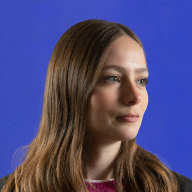
 | € 25 | |
|---|---|---|
| € 10 | |
 | € 2 | |
Catawiki Kopersbescherming
Je betaling is veilig bij ons totdat je het object hebt ontvangen.Bekijk details
Trustpilot 4.4 | 140462 reviews
Beoordeeld als "Uitstekend" op Trustpilot.
Francien Krieg presenteert een origiale 2026-portret getiteld The Face We Inherited, gemaakt met AI en gemengde technieken waaronder houtsnede op een paneel van 40 × 30 cm in een surrealistische stijl, gesigneerd en rechtstreeks verkocht door de kunstenaar.
AI-gegenereerde samenvatting
Beschrijving van de verkoper
In this series, Francien Krieg brings together historical portraiture, contemporary image-making and the physical object of painting.
Faces that seem familiar are broken apart and reconstructed. Fragments of classical portraits, ornamental frames and digitally generated elements shift in and out of alignment. What initially appears coherent becomes less certain the longer it is viewed.
The shaped panels deliberately refuse the traditional rectangular painting. Edges are cut, interrupted and irregular, allowing the image to behave almost like a fragment that has been torn from another time.
AI is used as part of the image-making process, but the final work returns to the slowness and physicality of painting. The digital image becomes material again: translated, altered and made imperfect by hand.
At the centre of the series is a simple question: how much of what we call beauty is actually our own?
De verkoper stelt zich voor
Francien Krieg (b. 1973) is a distinguished Dutch artist renowned for her compelling explorations of the human form, particularly focusing on themes of aging and vulnerability. A graduate of the Royal Academy of Art in The Hague, she initially engaged in conceptual installations, utilizing materials like meat and rubber to create thought-provoking pieces that delve into human fragility.
Transitioning to painting at The Free Academy in The Hague, Francien developed a distinctive style characterized by unconventional perspectives and a raw portrayal of the human body. Her works challenge societal norms, celebrating the beauty found in imperfection and the passage of time.
Her art has been featured in prestigious exhibitions worldwide, including the Scope Basel art fair, Realisme Amsterdam, and esteemed galleries such as Robert Lange Studios in Charleston and the Zhou B Art Center in Chicago. Notably, she participated in the Women Painting Women [r]evolution exhibition at Townsend Atelier in Tennessee and the Strak Realisme show at Gallery Beinart, alongside artists Effie Pryer and Ville Lopponen.
Francien's accolades include multiple nominations for the Dutch Portrait Award and being shortlisted for the Figurativas at MEAM in Barcelona in 2017, 2019, and 2020. Her work has been extensively featured in publications like Beautiful Bizarre Magazine, Realisme Today, The Guide Artists, Boldbrush, and Poets and Artists. In 2018, she published a comprehensive book detailing her artistic journey and exploration of the human condition.
Her paintings are highly sought after by collectors, with pieces held in significant Dutch collections, including the ING Collection and the former Scheringa Collection. Her collaboration with Gallery Mokum in Amsterdam has further solidified her status in the art market, positioning her among the leading figures in contemporary realism.
Francien Krieg continues to captivate audiences with her unflinching portrayal of humanity, inviting viewers to confront and appreciate the profound beauty inherent in imperfection and aging.
In this series, Francien Krieg brings together historical portraiture, contemporary image-making and the physical object of painting.
Faces that seem familiar are broken apart and reconstructed. Fragments of classical portraits, ornamental frames and digitally generated elements shift in and out of alignment. What initially appears coherent becomes less certain the longer it is viewed.
The shaped panels deliberately refuse the traditional rectangular painting. Edges are cut, interrupted and irregular, allowing the image to behave almost like a fragment that has been torn from another time.
AI is used as part of the image-making process, but the final work returns to the slowness and physicality of painting. The digital image becomes material again: translated, altered and made imperfect by hand.
At the centre of the series is a simple question: how much of what we call beauty is actually our own?
De verkoper stelt zich voor
Francien Krieg (b. 1973) is a distinguished Dutch artist renowned for her compelling explorations of the human form, particularly focusing on themes of aging and vulnerability. A graduate of the Royal Academy of Art in The Hague, she initially engaged in conceptual installations, utilizing materials like meat and rubber to create thought-provoking pieces that delve into human fragility.
Transitioning to painting at The Free Academy in The Hague, Francien developed a distinctive style characterized by unconventional perspectives and a raw portrayal of the human body. Her works challenge societal norms, celebrating the beauty found in imperfection and the passage of time.
Her art has been featured in prestigious exhibitions worldwide, including the Scope Basel art fair, Realisme Amsterdam, and esteemed galleries such as Robert Lange Studios in Charleston and the Zhou B Art Center in Chicago. Notably, she participated in the Women Painting Women [r]evolution exhibition at Townsend Atelier in Tennessee and the Strak Realisme show at Gallery Beinart, alongside artists Effie Pryer and Ville Lopponen.
Francien's accolades include multiple nominations for the Dutch Portrait Award and being shortlisted for the Figurativas at MEAM in Barcelona in 2017, 2019, and 2020. Her work has been extensively featured in publications like Beautiful Bizarre Magazine, Realisme Today, The Guide Artists, Boldbrush, and Poets and Artists. In 2018, she published a comprehensive book detailing her artistic journey and exploration of the human condition.
Her paintings are highly sought after by collectors, with pieces held in significant Dutch collections, including the ING Collection and the former Scheringa Collection. Her collaboration with Gallery Mokum in Amsterdam has further solidified her status in the art market, positioning her among the leading figures in contemporary realism.
Francien Krieg continues to captivate audiences with her unflinching portrayal of humanity, inviting viewers to confront and appreciate the profound beauty inherent in imperfection and aging.
Details
Kunstenaar
Francien Krieg
Verkocht door
Rechtstreeks van de kunstenaar
Editie
Origineel
Titel van kunstwerk
The Face We Inherited
Techniek
AI, Gemengde techniek, Houtsnede
Signatuur
Handgesigneerd
Land van herkomst
Nederland
Jaar
2026
Staat
In uitstekende staat
Hoogte
40 cm
Breedte
30 cm
Afbeelding/Thema
Portret
Stijl
Surrealisme
Periode
2020+
Aangeboden met lijst
Nee
Verkocht door
