Nr. 101010723

Nr. 101010723
SASANIAN EMPIRE
Shapur II (AD 309–379)
Silver Drachm (AR)
Mint: II (“Western” mint), ca. AD 320–379
Weight: 3.80 g
Diameter: 27 mm
Dark toned
References: Sunrise 830 var.; Göbl 106, Type 1a/6a
________________________________________
Description
Obverse:
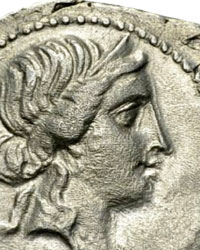
Bust of Shapur II to right, wearing a mural crown surmounted by a korymbos and inner ribbon; Pahlavi legend before the bust.
Reverse:
Zoroastrian fire altar with ribbons; within the flames, bust of Shapur II facing right. Flanked by two attendants standing inward, each wearing mural crowns with korymbos.
________________________________________
Historical Background
Shapur II was the longest-reigning monarch of the Sasanian Empire, ascending the throne in AD 309 and ruling until AD 379. According to tradition, he was crowned while still in his mother’s womb, a unique event in royal history that underscored his perceived divine legitimacy. His early years were governed by regents, but upon reaching maturity he embarked on an energetic program of military expansion and internal consolidation.
Shapur II successfully repelled Arab incursions in the south and conducted prolonged campaigns against the Roman Empire, achieving major victories during the 350s–360s AD. His most celebrated success followed the failed invasion of Emperor Julian in AD 363, after which Roman forces were compelled to withdraw, confirming Sasanian dominance in Mesopotamia.
The reverse type, depicting a Zoroastrian fire altar with the king’s bust rising from the flames, powerfully expresses the fusion of royal authority and religious ideology. This imagery emphasizes Shapur’s role as divinely sanctioned ruler and protector of Zoroastrianism, while the flanking attendants—often interpreted as priests or royal guardians—symbolize ritual purity and imperial sanctity.
The mint designation “II” is generally attributed to an unidentified western mint, probably located in Mesopotamia, though its precise location remains uncertain. Issues from this mint form part of Shapur II’s broader effort to standardize Sasanian silver coinage and imperial iconography across the empire.
Drachms of Shapur II are especially admired for their refined engraving, commanding portraiture, and explicit religious symbolism, encapsulating the political strength and ideological confidence of the Sasanian state at its height.
So kaufen Sie auf Catawiki
1. Etwas Besonderes entdecken
2. Höchstgebot abgeben
3. Sichere Zahlung durchführen