Nr. 105910242

Verkauft
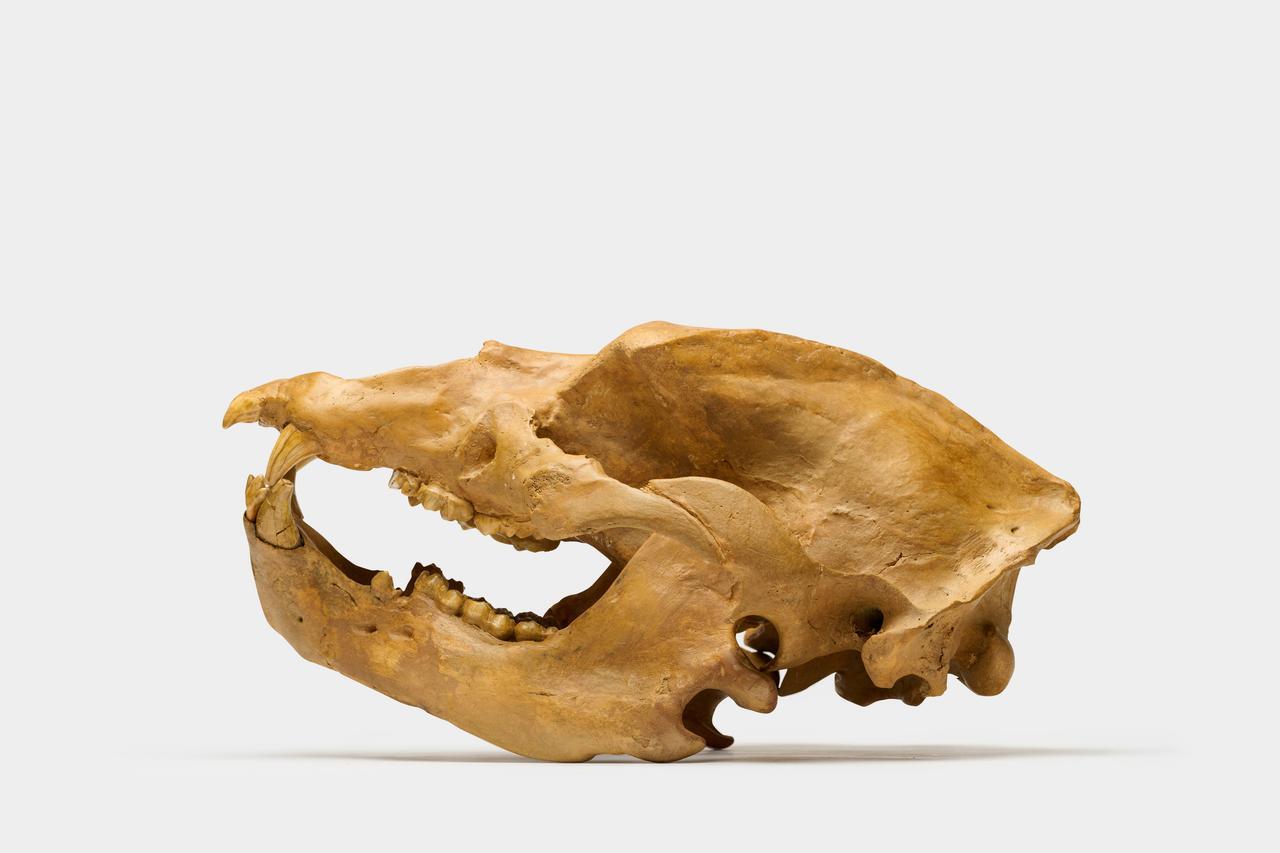
Großer Tyrannosaurierzahn - Nanotyrannus sp - Späte Kreidezeit - Lance Creek-Formation - Fossiler Zahn
Höchstgebot
€ 291
Vor 4 h

Großer Tyrannosaurierzahn - Nanotyrannus sp - Späte Kreidezeit - Lance Creek-Formation - Fossiler Zahn

Scientific name: Tyrannosaur Dinosaur - Nanotyrannus sp - Theropod Dinosaur Tooth Location: Weston Co., Wyoming (Private Land), USA Geological Formation: Lance Creek Fm Age: Late Cretaceous, Maastrichtian stage (~68-66 Million Years) Size: 5,1cm REF.: #J570 DESCRIPTION: Nanotyrannus lancensis is a small, fast, agile tyrannosaur from the Late Cretaceous Hell Creek Formation (originally part of the Lance Formation), known for being small and distinctly different from T. rex, with recent studies confirming it's a separate species, not a juvenile T. rex, based on unique features like more teeth, larger hands, and distinct bone structures. Meaning "dwarf tyrant," it was a capable predator of smaller prey, coexisting with T. rex. Key Facts Name Meaning: "Dwarf tyrant" from Greek nanos (dwarf) and tyrannos (tyrant). Species Name: lancensis refers to the Lance Formation where its skull was found. Size: Around 15-18 feet long, much smaller and lighter than an adult T. rex. Habitat: Hell Creek and Lance Creek Formation (Late Cretaceous), same time and place as T. rex. Lifestyle: Fast, agile pursuit predator, likely hunting smaller dinosaurs like pachycephalosaurs. Controversy: Long debated as either a distinct species or juvenile T. rex, but recent evidence strongly supports it as its own genus. Distinguishing Features: Narrower skull, more teeth, larger hands, and different bone structures than T. rex. The Debate; Juvenile T. rex Theory: Many scientists thought smaller tyrannosaur fossils from Hell Creek and Lance Creek were young T. rex because no large Nanotyrannus fossils existed, and T. rex juveniles were rare. Separate Species Theory: Researchers found that Nanotyrannus fossils showed adult-like traits (fused bones) and unique features that T. rex never developed, making it biologically impossible to grow into a T. rex. Current Consensus: Nanotyrannus is a separate, distinct genus of small tyrannosaur, coexisting with T. rex as a unique, agile predator. Observations; This specimen is relatively large for its species. One side is very well preserved, displaying a beautiful enamel surface and well-defined carina (serrations). The other side, however, is not as well preserved, exhibiting several fractures that have been glued and stabilized. Its surface has been stabilized with Paraloid B-72 to ensure its stability and long-term preservation in a professional manner. All of our fossils come with a Certificate of Authenticity. Every week, the issued Certificates of Authenticity are updated in our database verification system on our website. If you find that your certificate has not yet been updated, please contact us and we will update it immediately. Display box included.

Nr. 105910242

Verkauft
Großer Tyrannosaurierzahn - Nanotyrannus sp - Späte Kreidezeit - Lance Creek-Formation - Fossiler Zahn

Großer Tyrannosaurierzahn - Nanotyrannus sp - Späte Kreidezeit - Lance Creek-Formation - Fossiler Zahn

Scientific name: Tyrannosaur Dinosaur - Nanotyrannus sp - Theropod Dinosaur Tooth

Location: Weston Co., Wyoming (Private Land), USA

Geological Formation: Lance Creek Fm

Age: Late Cretaceous, Maastrichtian stage (~68-66 Million Years)

Size: 5,1cm

REF.: #J570

DESCRIPTION:

Nanotyrannus lancensis is a small, fast, agile tyrannosaur from the Late Cretaceous Hell Creek Formation (originally part of the Lance Formation), known for being small and distinctly different from T. rex, with recent studies confirming it's a separate species, not a juvenile T. rex, based on unique features like more teeth, larger hands, and distinct bone structures. Meaning "dwarf tyrant," it was a capable predator of smaller prey, coexisting with T. rex.

Key Facts

Name Meaning: "Dwarf tyrant" from Greek nanos (dwarf) and tyrannos (tyrant).

Species Name: lancensis refers to the Lance Formation where its skull was found.
Size: Around 15-18 feet long, much smaller and lighter than an adult T. rex.

Habitat: Hell Creek and Lance Creek Formation (Late Cretaceous), same time and place as T. rex.
Lifestyle: Fast, agile pursuit predator, likely hunting smaller dinosaurs like pachycephalosaurs.

Controversy: Long debated as either a distinct species or juvenile T. rex, but recent evidence strongly supports it as its own genus.

Distinguishing Features: Narrower skull, more teeth, larger hands, and different bone structures than T. rex.

The Debate;
Juvenile T. rex Theory: Many scientists thought smaller tyrannosaur fossils from Hell Creek and Lance Creek were young T. rex because no large Nanotyrannus fossils existed, and T. rex juveniles were rare.
Separate Species Theory: Researchers found that Nanotyrannus fossils showed adult-like traits (fused bones) and unique features that T. rex never developed, making it biologically impossible to grow into a T. rex.

Current Consensus: Nanotyrannus is a separate, distinct genus of small tyrannosaur, coexisting with T. rex as a unique, agile predator.

Observations; This specimen is relatively large for its species. One side is very well preserved, displaying a beautiful enamel surface and well-defined carina (serrations). The other side, however, is not as well preserved, exhibiting several fractures that have been glued and stabilized. Its surface has been stabilized with Paraloid B-72 to ensure its stability and long-term preservation in a professional manner.

All of our fossils come with a Certificate of Authenticity. Every week, the issued Certificates of Authenticity are updated in our database verification system on our website. If you find that your certificate has not yet been updated, please contact us and we will update it immediately. Display box included.

Höchstgebot
€ 291
Manuel Quiring
Experte
Schätzung  € 2.300 - € 2.800

Ähnliche Objekte

Für Sie aus der Kategorie

Fossilien

Suchalarm einrichten
Richten Sie einen Suchalarm ein, um benachrichtigt zu werden, sobald neue passende Objekte verfügbar sind.

Dieses Objekt wurde vorgestellt in:


So kaufen Sie auf Catawiki

Mehr zum Käuferschutz erfahren

      1. Etwas Besonderes entdecken

      Entdecken Sie in unseren Auktionen Tausende von besonderen Objekten, die von Experten ausgewählt wurden. Sehen Sie sich die Fotos, die ausführliche Beschreibung und den Schätzwert der besonderen Objekte an, die Sie interessieren. 

      2. Höchstgebot abgeben

      Finden Sie etwas, das Sie begeistert, und geben Sie das Höchstgebot ab. Sie können die Auktion bis zum Schluss mitverfolgen oder unser System für Sie bieten lassen. Dazu müssen Sie einfach nur den Maximalbetrag eingeben, den Sie für das jeweilige Objekt ausgeben möchten. 

      3. Sichere Zahlung durchführen

      Bezahlen Sie Ihr besonderes Objekt und wir verwahren Ihre Zahlung, bis Ihr Objekt unversehrt bei Ihnen angekommen ist. Wir wickeln alle Transaktionen mit einem zuverlässigen und sicheren Zahlungssystem ab. 

Haben Sie etwas Ähnliches zu verkaufen?

Unabhängig davon, ob Online-Auktionen Neuland für Sie sind oder ob Sie gewerblich verkaufen – wir helfen Ihnen, mehr mit Ihren besonderen Objekten zu verdienen.

Objekt verkaufen