No. 101770846

No. 101770846
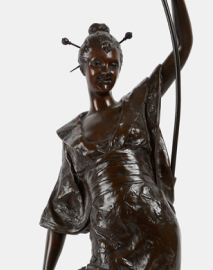
Busto in cera raffigurante 'Atleta'
Questo busto rappresenta una figura classica identificata dall'iscrizione 'ATLETA' sulla base, riproducendo lo stile delle sculture greco-romane antiche. Realizzato in cera, il pezzo presenta una finitura che imita la patina del bronzo antico. Le sculture in cera erano utilizzate sia come modelli preparatori per fusioni in bronzo sia come opere finite, particolarmente apprezzate per la loro capacità di catturare dettagli minuziosi e per il loro aspetto realistico.
Questi busti classici in cera sono ricercati da collezionisti specializzati in sculture neoclassiche, appassionati di storia dell'arte e tecniche scultoree, e da chi apprezza oggetti decorativi raffinati. Il fascino di queste opere risiede nella loro rarità rispetto alle versioni in bronzo, nella delicatezza del materiale che richiede cura particolare, e nel loro valore storico come testimonianza delle pratiche artistiche ottocentesche. Tali pezzi sono particolarmente apprezzati da collezionisti che cercano opere uniche con una connessione diretta al processo creativo degli scultori classici.
How to buy on Catawiki
1. Discover something special
2. Place the top bid
3. Make a secure payment