No. 101875352

No. 101875352
Orologio da appoggio con sveglia esterna, un oggetto che unisce la funzionalità meccanica a un'estetica quasi "industriale-rustica".
1. Descrizione e Dettagli Tecnici
L'orologio è montato su una struttura in legno tinto (probabilmente pioppo o noce povero) con una sagoma a "timpanetto" o edicola.
• Il Quadrante: Presenta numeri arabi e due piccoli quadranti ausiliari (uno per i secondi e uno per l'impostazione della sveglia). In basso si legge chiaramente "Made in Italy", il che conferma la produzione nazionale.
• Il Meccanismo della Sveglia: Questa è la parte più affascinante. Invece di avere il campanello interno, l'orologio utilizza due campane a cupola esterne colpite da un martelletto centrale a vista. Questo design ricorda molto le sveglie stradali o i sistemi di allarme delle fabbriche del primo Novecento.
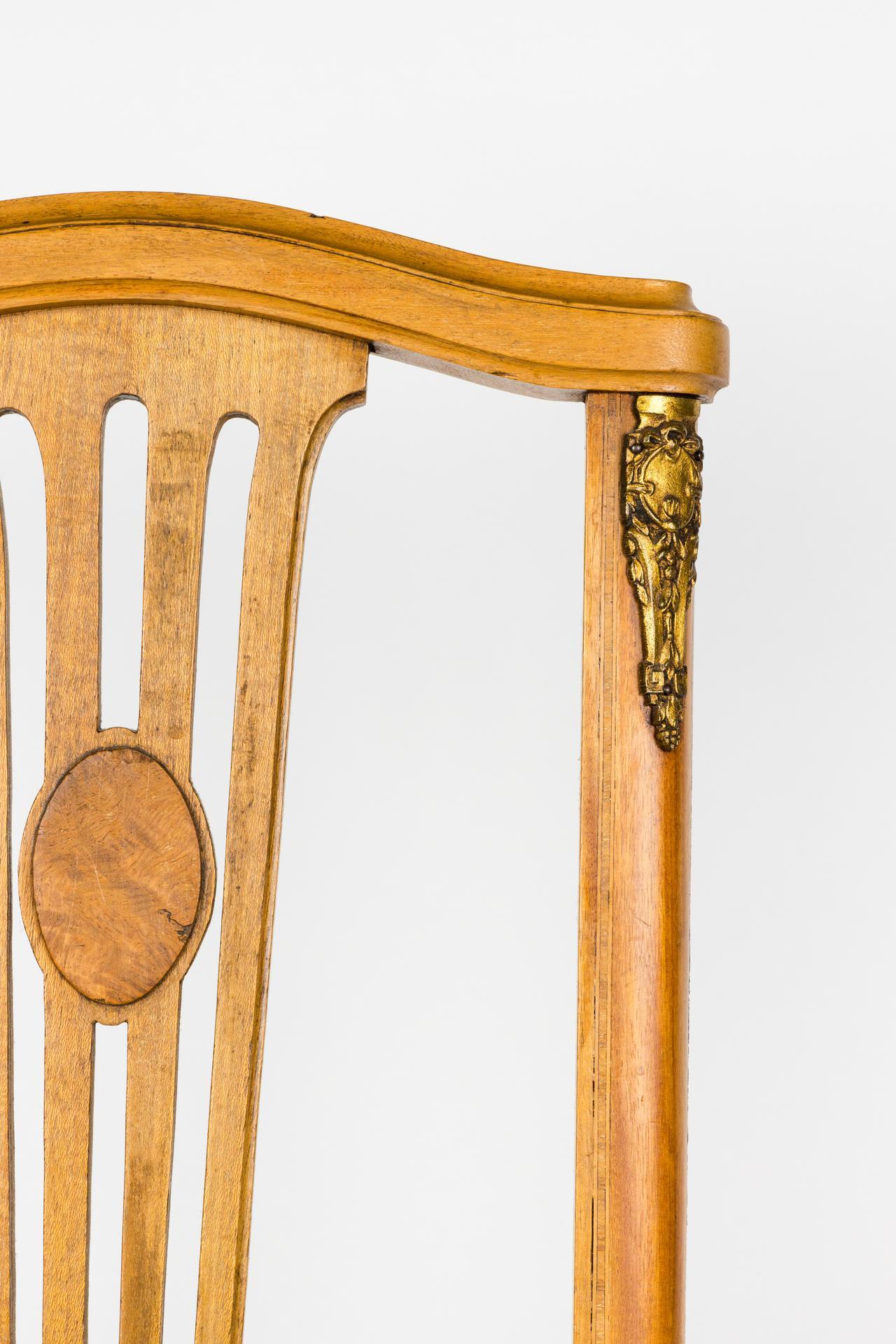
• Elementi Decorativi: La cassa è arricchita da borchie metalliche a forma di fiore e una catenella decorativa alla base tra due colonnine in legno, elementi che suggeriscono una produzione artigianale o di piccola serie. Infine presenta uno specchio ovale in alto al centro, originale dell’epoca.
• Retro: La piastra posteriore in ottone mostra le chiavi di carica (una per il tempo e una per la suoneria) e la levetta per regolare l'anticipo/ritardo (S/F ovvero Slow/Fast).
2. Periodo e Stile
• Periodo: È databile tra gli anni '20 e gli anni '40. La grafica del quadrante e la tipologia di meccanismo "scoperto" sono tipiche della prima metà del XX secolo.
• Stile: Si tratta di uno stile Eclettico/Popolare. Non segue una corrente artistica d'élite come l'Art Déco pura, ma mescola elementi decorativi ottocenteschi (le borchie a fiore) con una struttura funzionale e robusta, quasi "proto-industriale". Veniva probabilmente utilizzato in contesti dove la suoneria doveva essere molto forte, come una grande cucina, un laboratorio o una camera da letto di una casa rurale.
Presenta i segni visibili del tempo.
MECCANISMO DELL’OROLOGIO DA REVISIONE, AL MOMENTO NON FUNZIONA.
How to buy on Catawiki
1. Discover something special
2. Place the top bid
3. Make a secure payment