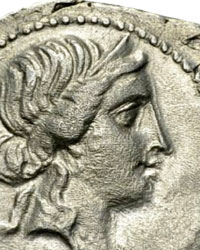
Mysia, Lampsacus Æ 190-85 BC


Experienced antique appraiser specialising in Spanish coins with deep knowledge of ancient currency.
| €1 |
|---|
Catawiki Buyer Protection
Your payment’s safe with us until you receive your object.View details
Trustpilot 4.4 | 129100 reviews
Rated Excellent on Trustpilot.
Mysia, Lampsacus; Æ coin weighing 7.63 g, dating to 190–85 BC, graded by NGC (cert. 8583834-016) with obverse laureate head of Apollo to the right and reverse showing a lyre and the protome of Pegasus.
Description from the seller
Mysie, Unité, Lampsaque
A. : Laureate head of Apollo facing right.
R. : Lyre ; protome of Pegasus in the field on the left.
In the 2nd century BC, Lampsacus gradually fell under the influence of the Kingdom of Pergamon, while maintaining a prosperity based on maritime trade and viticulture. Upon the death of Attalus III (133 BC), it was incorporated into the Roman domain, becoming a privileged allied city thanks to its loyalty to Rome. In the 1st century BC, it supported the Republic against Mithridates VI of Pontus, which earned it significant privileges and increased municipal autonomy within the province of Asia.
- - -
Mysia, Unit, Lampsacus
A. : Laureate head of Apollo facing right.
R. : Lyre ; protome of Pegasus in the field on the left.
In the 2nd century BC, Lampsacus gradually fell under the influence of the Kingdom of Pergamon, while maintaining a prosperity based on maritime trade and viticulture. Upon the death of Attalus III (133 BC), it was incorporated into the Roman domain, becoming a privileged allied city thanks to its loyalty to Rome. In the 1st century BC, it supported the Republic against Mithridates VI of Pontus, which earned it significant privileges and increased municipal autonomy within the province of Asia.
Mysie, Unité, Lampsaque
A. : Laureate head of Apollo facing right.
R. : Lyre ; protome of Pegasus in the field on the left.
In the 2nd century BC, Lampsacus gradually fell under the influence of the Kingdom of Pergamon, while maintaining a prosperity based on maritime trade and viticulture. Upon the death of Attalus III (133 BC), it was incorporated into the Roman domain, becoming a privileged allied city thanks to its loyalty to Rome. In the 1st century BC, it supported the Republic against Mithridates VI of Pontus, which earned it significant privileges and increased municipal autonomy within the province of Asia.
- - -
Mysia, Unit, Lampsacus
A. : Laureate head of Apollo facing right.
R. : Lyre ; protome of Pegasus in the field on the left.
In the 2nd century BC, Lampsacus gradually fell under the influence of the Kingdom of Pergamon, while maintaining a prosperity based on maritime trade and viticulture. Upon the death of Attalus III (133 BC), it was incorporated into the Roman domain, becoming a privileged allied city thanks to its loyalty to Rome. In the 1st century BC, it supported the Republic against Mithridates VI of Pontus, which earned it significant privileges and increased municipal autonomy within the province of Asia.