Portico clock - Söderström Biedermeier - Mahogany - 1850-1900

Opens 06 April
Starting bid
€ 1

Add to your favourites to get an alert when the auction starts.

Justus Heutink
Expert
Selected by Justus Heutink

Holds broad knowledge of religious icons with six years of collecting experience.

Estimate  € 180 - € 220
Catawiki Buyer Protection

Your payment’s safe with us until you receive your object.View details

Trustpilot 4.4 | 130478 reviews

Rated Excellent on Trustpilot.

Description from the seller

The portico clock shown in the photo (often also called a mantel clock or table clock) is done in the Biedermeier or classical style. Clocks like this were extremely popular in Europe, and this one dates from the 1820–1850 period, so it is very old.
Construction: The case takes the form of a portico supported by columns, which is typical of designs from the first half of the 19th century (circa 1820–1850).
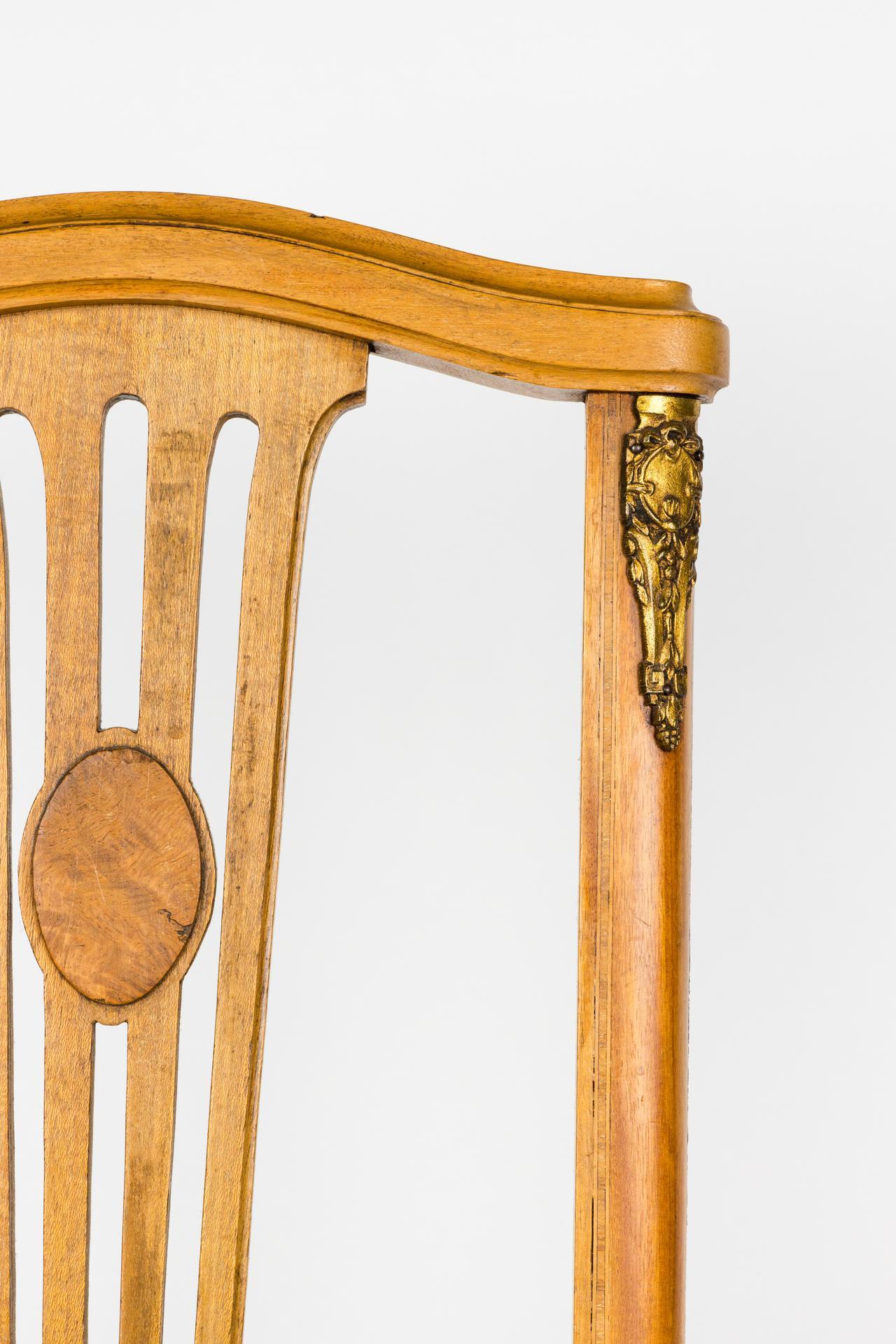
Materials: Most likely made of wood (often mahogany or ebonized pear) with decorative elements in gilded bronze or brass.
Details: The clock has an enamel dial with Roman or Arabic numerals and a decorative pendulum, often shaped like the sun.
Origin: Inscriptions on the dial (suggesting a city such as Stockholm) may indicate a specific clockmaking workshop. The dial visible in the photo is signed by the Swedish craftsman A. Söderström from Stockholm.
This is a classic example of Scandinavian clockmaking craftsmanship, most probably from the 18th century or the first half of the 19th century. The style of the lettering and the distinctive ornate minute hand are typical for clocks from this period, commonly found in Swedish Mora wall clocks or luxurious Gustavian-style clocks. The clock is functional but needs replacement of the hands.

The portico clock shown in the photo (often also called a mantel clock or table clock) is done in the Biedermeier or classical style. Clocks like this were extremely popular in Europe, and this one dates from the 1820–1850 period, so it is very old.
Construction: The case takes the form of a portico supported by columns, which is typical of designs from the first half of the 19th century (circa 1820–1850).
Materials: Most likely made of wood (often mahogany or ebonized pear) with decorative elements in gilded bronze or brass.
Details: The clock has an enamel dial with Roman or Arabic numerals and a decorative pendulum, often shaped like the sun.
Origin: Inscriptions on the dial (suggesting a city such as Stockholm) may indicate a specific clockmaking workshop. The dial visible in the photo is signed by the Swedish craftsman A. Söderström from Stockholm.
This is a classic example of Scandinavian clockmaking craftsmanship, most probably from the 18th century or the first half of the 19th century. The style of the lettering and the distinctive ornate minute hand are typical for clocks from this period, commonly found in Swedish Mora wall clocks or luxurious Gustavian-style clocks. The clock is functional but needs replacement of the hands.

Details

Specific region of origin
Mora
Wood type
Mahogany
Style subtype
Biedermeier
Manufacturer/brand
Söderström
Era
1400-1900
Number of objects
1
Clock type
Portico clock
Material
Wood
Clock mechanism
Mechanical
Power reserve
8 day movement
Striking
half hour, one bell
Maker/designer
Söderström
Country of origin
Sweden
Condition
Good condition - used with small signs of ageing
In working order
Yes
Height
32 cm
Width
28 cm
Depth
12.5 cm
Estimated period
1850-1900
Weight
3.36 kg
Winding key
Yes
PolandVerified
1
Object sold
Private

Similar objects

For you in

Antiques & Classic Furniture