No. 102722092

No. 102722092
1. Descripción general
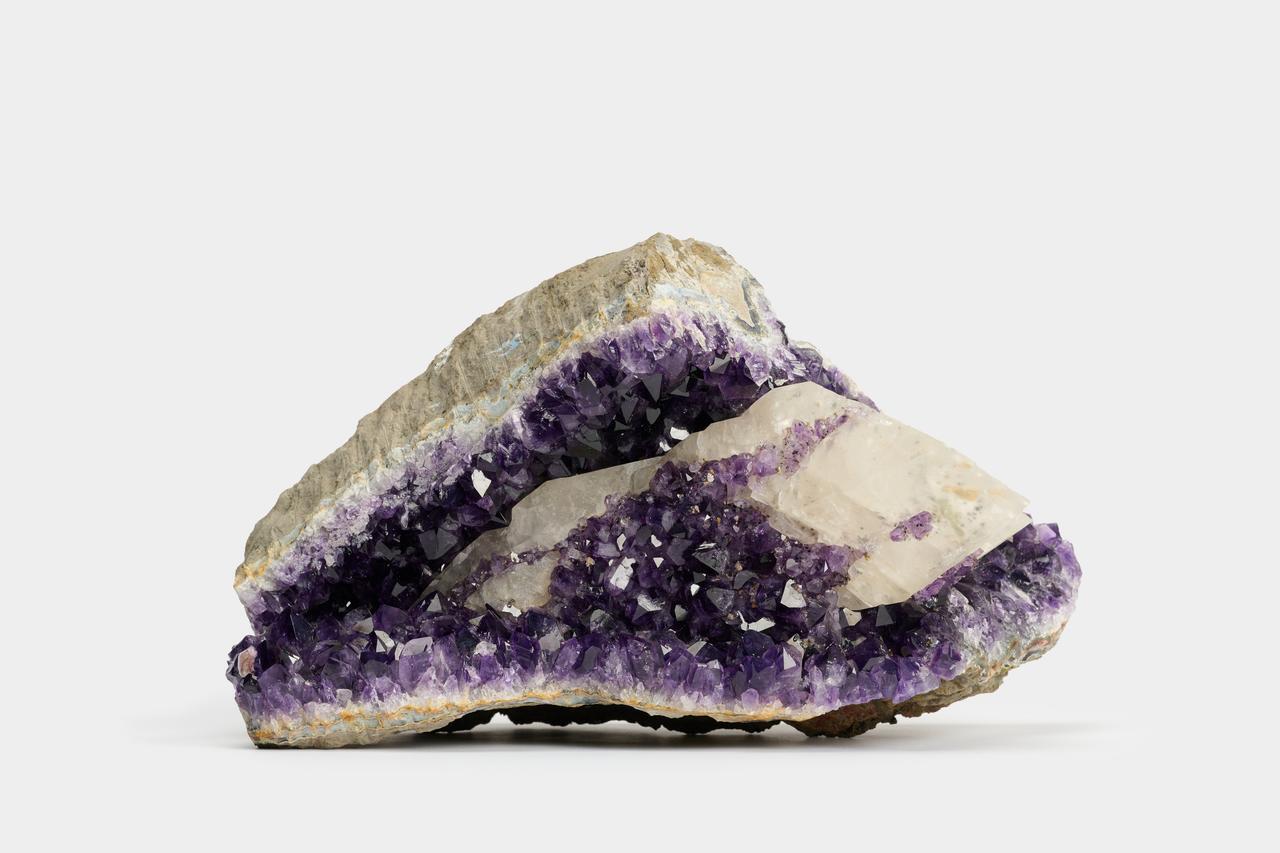
Excepcional ejemplar de dióptasa natural en matriz, con cristales prismáticos bien formados de intenso color verde esmeralda. Pieza de colección con alto impacto visual, donde la transparencia y brillo de los cristales generan un efecto vibrante y profundo.
2. Medidas y peso
Peso: 38 gramos
Dimensiones: 5 x 3,5 x 1,4 cm
3. Identificación mineralógica
Mineral: Dióptasa
Sistema cristalino: Trigonal
4. Fórmula química
CuSiO₃ · H₂O (silicato hidratado de cobre)
5. Dureza y densidad
Dureza: 5 (escala de Mohs)
Densidad: ~3,2–3,4 g/cm³
6. Lectura visual y geológica
Cristales prismáticos bien definidos sobre matriz, con terminaciones nítidas y alto brillo vítreo. El color verde intenso proviene de la presencia de cobre, responsable de su extraordinaria saturación cromática.
7. Historia del mineral
La dióptasa es un mineral históricamente confundido con la esmeralda por su color, pero su rareza y formación la sitúan dentro del ámbito de minerales de colección más apreciados.
8. Formación y origen
Se forma en zonas de oxidación de depósitos de cobre, en condiciones muy específicas, lo que explica la dificultad de encontrar ejemplares con cristales bien desarrollados como este.
9. Autenticidad y pruebas
Observación de hábito cristalino coherente
Coloración natural por cobre
Brillo vítreo característico
No certificado, pero verificado mediante análisis gemológico propio
10. Estado
Muy buen estado general, con cristales bien conservados y mínima alteración en matriz.
11. Procedencia
Origen : Congo (zonas clásicas de dióptasa de calidad)
12. Mercado, escasez e inversión
La dióptasa es un mineral poco común en calidad cristalizada.
Los ejemplares con cristales definidos, color intenso y buen tamaño son cada vez más escasos en el mercado.
Los ejemplares auténticos y bien formados refuerzan su interés coleccionista y su potencial de revalorización.
13. Curiosidades Gemológicas
A menudo confundida con esmeralda por su color
Su color proviene directamente del cobre, no de inclusiones
Es un mineral relativamente frágil pese a su apariencia sólida
Conocer estas diferencias permite evitar errores comunes en el mercado.
14. Nota humana
Cada cristal es resultado de procesos geológicos extremadamente lentos, combinados con el trabajo humano en entornos de extracción complejos.
15. Conclusión
Pieza de colección con estética potente, autenticidad clara y posicionamiento superior dentro del mercado mineralógico.
Elegir una pieza auténtica no es solo una compra; es una decisión consciente que combina belleza, criterio y valor real.
How to buy on Catawiki
1. Discover something special
2. Place the top bid
3. Make a secure payment