No. 102870439

No. 102870439
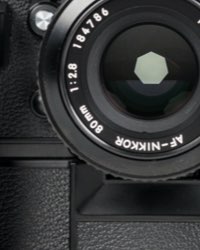
Lomo camera:
Lomo LC-A Minitar 1 (dichting verduurd)
De foto’s en de beschrijving geven een goede kijk op de uiterlijke staat van het materiaal.
******************
Als een item niet getest is of alleen voor onderdelen/verzameling/reparatie wordt aangeboden ligt het risico bij de koper. De items in deze veiling worden dus verkocht AS-IS. Dat wil zeggen dat er na de koop, geen claim mogelijk is op werking en/of het uiterlijk van de items.
De LOMO LC-A (Lomo Kompakt Automat) is een compactcamera met vaste lens, 35 mm film, lamellensluiter en zonefocus, die in 1984 werd geïntroduceerd. Het ontwerp is gebaseerd op de Cosina CX-2, met als verschil dat de LC-A geen draaibare voorplaat en zelfontspanner heeft. De camera werd gebouwd in het Sovjet-tijdperk in Leningrad door de Leningrad Optics and Mechanics Association (LOMO).
De productie van de camera werd in 1994 stopgezet. Halverwege de jaren negentig overtuigde een groep enthousiastelingen uit Wenen LOMO om de productie te hervatten, die doorliep tot 2005. Zij richtten de Lomographic Society International op, die deze camera's wereldwijd distribueerde.
De opvolger van de LOMO LC-A, de LC-A+, werd in 2006 geïntroduceerd en de productie werd verplaatst naar China. De LC-A+ was voorzien van de originele LC-A Minitar-1 glazen lens, die door LOMO in Rusland werd geproduceerd. Dit veranderde in 2007 en de lenzen van latere modellen werden in China gemaakt. Sommige LC-A's werden verkocht onder de naam Zenith, maar dit label was slechts een sticker onder de lens. Zenit (in sommige landen Zenith) is een handelsmerk van KMZ (Krasnogorsk Mechanical Works).
Het Oostenrijkse bedrijf Lomography biedt nu drie versies van de LC-A aan: de LC-A+ en LC-Wide in 35 mm-formaat en de LC-A 120 in middenformaat.
Bediening
De enige automatische functie van de LC-A is de belichting. Het laden, opwinden, terugspoelen en scherpstellen gebeurt handmatig. Het diafragma kan ook handmatig worden ingesteld, de sluitertijd is vastgesteld op 1/60 s (deze mogelijkheid is verwijderd bij de LC-A+).
De belichting is volledig automatisch wanneer de camera op "A" staat; de sluitertijden variëren van 2 minuten tot 1/500 s. Het diafragmabereik is f/2.8 tot f/16. Het automatische belichtingssysteem compenseert veranderingen in de lichtomstandigheden nadat de sluiter is geopend door de sluitertijd te verhogen of te verlagen. Dit, in combinatie met de flitssynchronisatie via de achterste sluiter, resulteert in interessante effecten bij flitsfotografie in omstandigheden met weinig omgevingslicht.
De lens wordt scherpgesteld door een van de vier zones te selecteren (0,8 m, 1,5 m, 3 m of ∞). Oudere versies van de camera hebben pictogrammen in de zoeker die de momenteel geselecteerde scherpstelzone aangeven, een functie die in latere modellen is weggelaten.
Een batterijcontrolefunctie gebruikt een led in de zoeker; als er voldoende stroom is, licht deze op wanneer de ontspanknop licht wordt ingedrukt. Een andere led in de zoeker licht op wanneer de gekozen sluitertijd van de camera lager is dan 1/30 s.
De grootte en vorm zijn vrijwel gelijk aan die van de Cosina CX-2, het belangrijkste verschil is dat de lensring vast is (in tegenstelling tot de draaibare ring van de CX-2). De stroom wordt geleverd door drie 1,5V zilveroxidecellen (S76, LR44).
How to buy on Catawiki
1. Discover something special
2. Place the top bid
3. Make a secure payment