No. 104070498

No. 104070498
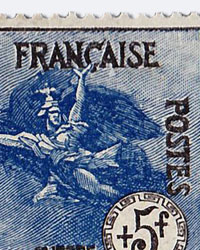
kleine Sammlung Phasendrucke ** Michelwert über 2700,00 €
Sofortkauf für 102 €
Was sind Phasendrucke:
Jeder, der selbst gerne zum Pinsel greift – sei es als Künstler oder als Heimwerker – kennt die unausweichliche Wahrheit: Nach der eigentlichen Arbeit beginnt das Großreinemachen – und kostet manchmal genauso viel Nerven wie die Arbeit selbst. Da mag es ein kleiner Trost sein, dass es anderen nicht anders geht. Jeder Industriezweig, der Farben verarbeitet, hat dasselbe Problem. In der Druckindustrie müssen Farbwalzen und Druckformen kontinuierlich gereinigt werden, um die Farbnäpfchen wieder freizulegen und so die konstante Farbaufnahmekapazität und Druckqualität zu garantieren. Die Reinigung erfolgt hier allerdings nicht mit Wischlappen und Seife, sondern mit Trockeneis, Ultraschall oder Laser.
Im Briefmarkendruck bescheren uns diese Reinigungsprozesse nicht nur gestochen scharfe und qualitativ hochwertige Postwertzeichen. Sie sorgen auch für philatelistische Besonderheiten, mit denen sich der Herstellungsprozess einer Briefmarke wundervoll dokumentieren lässt. Denn nach der Reinigung wird die Sauberkeit der Druckformen erst einmal getestet, bevor der eigentliche Druckjob beginnt. So entstehen Andrucke, Druckproben oder Phasendrucke.
Im Mehrfarbendruck wird das Markenbild mithilfe mehrerer Druckformen nach und nach zusammengesetzt. Es sind also für eine Briefmarke mehrere Kontrollgänge nötig – schließlich soll jede Farbe von einer perfekt gereinigten Druckform kommen. Gleichzeitig soll aber auch die Passgenauigkeit der verschiedenen Druckformen überprüft werden. Es wird also jede Phase des Drucks einzeln getestet. Das Ergebnis sind die sogenannten Phasendrucke.
Anhand der Postwertzeichenausgabe der DDR z.B ( hier nicht im Lot enthalten) „20 Jahre Gesellschaft für Sport und Technik“ des Jahres 1972 lässt sich der Prozess bildlich nachvollziehen. Das Markenbild der MiNr. 1777 setzt sich aus vier Farben zusammen: Grau, Türkisblau, Olivgelb und Violettultramarin.
Im ersten Schritt der Druckkontrolle wird nur die graue Farbe auf ungezähntes Papier aufgebracht. Noch ist es unmöglich zu erraten, um welches Motiv es sich hier handeln könnte. Der zweite Phasendruck erhält graue und türkisblaue Farbe – es entsteht ein Bild, das einen Rotor darstellen könnte. In der dritten Phase kommt Olivgelb hinzu. Nun erkennen wir schon deutlich, dass es um Schifffahrt geht – und auch, dass die Passer stimmen, die Bildteile also perfekt ineinander passen. Der vierte und letzte Phasendruck zeigt das fertige Bild und ist – bis auf die Zähnung – mit der endgültigen Briefmarke identisch.
Diese Phasendrucke der MiNr. 1777 sind übrigens im MICHEL-Deutschland-Spezial 2023 erstmals zu entdecken. Um das Bewertungsprinzip zu erläutern, verraten wir hier ausnahmsweise ihren Preis: Angegeben ist eine Preisspanne von 20 bis 80 Euro. Der niedrige Preis gilt für die erste Druckphase, also die „Marke“ in rein Grau. Der Wert erhöht sich dann gleichmäßig bis der Phasendruck mit vier Farben erreicht ist, d.h. der zweifarbige kostet 40, der dreifarbige 60 und der vierfarbige 80 Euro. Nicht schlecht, wenn man bedenkt, dass die Normalmarken im Centbereich liegen.
Phasendrucke hatten übrigens nie Frankaturkraft – auch nicht die vierfarbigen. Müssen sie aber auch nicht. Schön sind sie auch so.
Quelle Michel
siehe Fotos
How to buy on Catawiki
1. Discover something special
2. Place the top bid
3. Make a secure payment