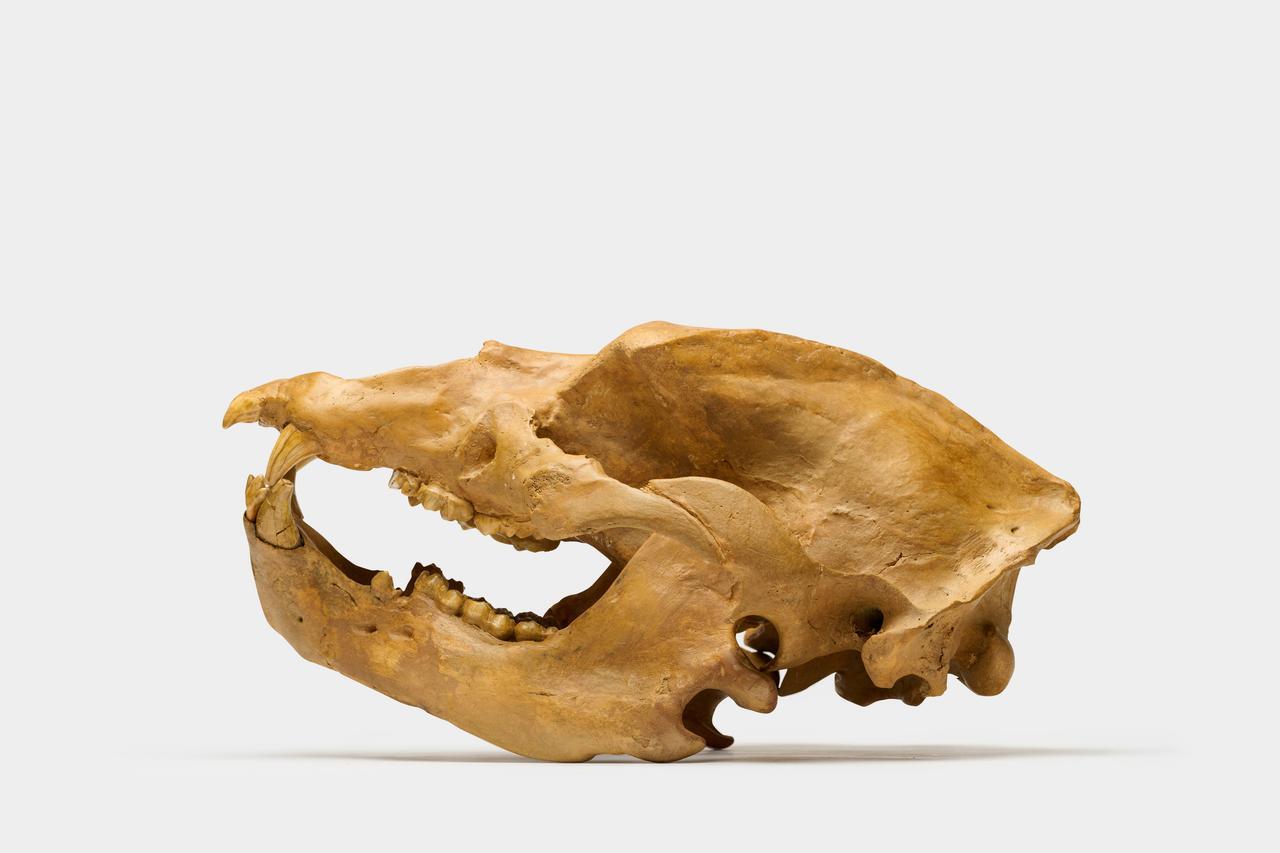
Fossil cabochon (No reserve price)


Add to your favourites to get an alert when the auction starts.
Catawiki Buyer Protection
Your payment’s safe with us until you receive your object.View details
Trustpilot 4.4 | 135253 reviews
Rated Excellent on Trustpilot.
Description from the seller
5 rare beetle specimens 。There are too many types of beetles. I find it difficult to distinguish what species they are. The first three are ambers I have collected for a long time. It's my first time seeing ones like this. So I feel they are very precious.The first beetle's body is round. I took a total of 18 photos. Please look at the pictures carefully.
5 Amber Beetle Specimens Worth Collecting
Burmese amber is one of the oldest ambers in the world, formed during the mid-Cretaceous period around 99 million years ago, and is found in the Hukawng Valley of Kachin State in northern Myanmar.
The most important value of Burmese amber lies in its unparalleled significance for paleobiological research. It perfectly preserves snapshots of prehistoric tropical forests, making it a true "time capsule."
The images of these insects were taken under a magnifying glass; please refer to the size information in the images below.
We use PE boxes to store each piece of amber, ensuring its safety and ease of collection.
5 rare beetle specimens 。There are too many types of beetles. I find it difficult to distinguish what species they are. The first three are ambers I have collected for a long time. It's my first time seeing ones like this. So I feel they are very precious.The first beetle's body is round. I took a total of 18 photos. Please look at the pictures carefully.
5 Amber Beetle Specimens Worth Collecting
Burmese amber is one of the oldest ambers in the world, formed during the mid-Cretaceous period around 99 million years ago, and is found in the Hukawng Valley of Kachin State in northern Myanmar.
The most important value of Burmese amber lies in its unparalleled significance for paleobiological research. It perfectly preserves snapshots of prehistoric tropical forests, making it a true "time capsule."
The images of these insects were taken under a magnifying glass; please refer to the size information in the images below.
We use PE boxes to store each piece of amber, ensuring its safety and ease of collection.