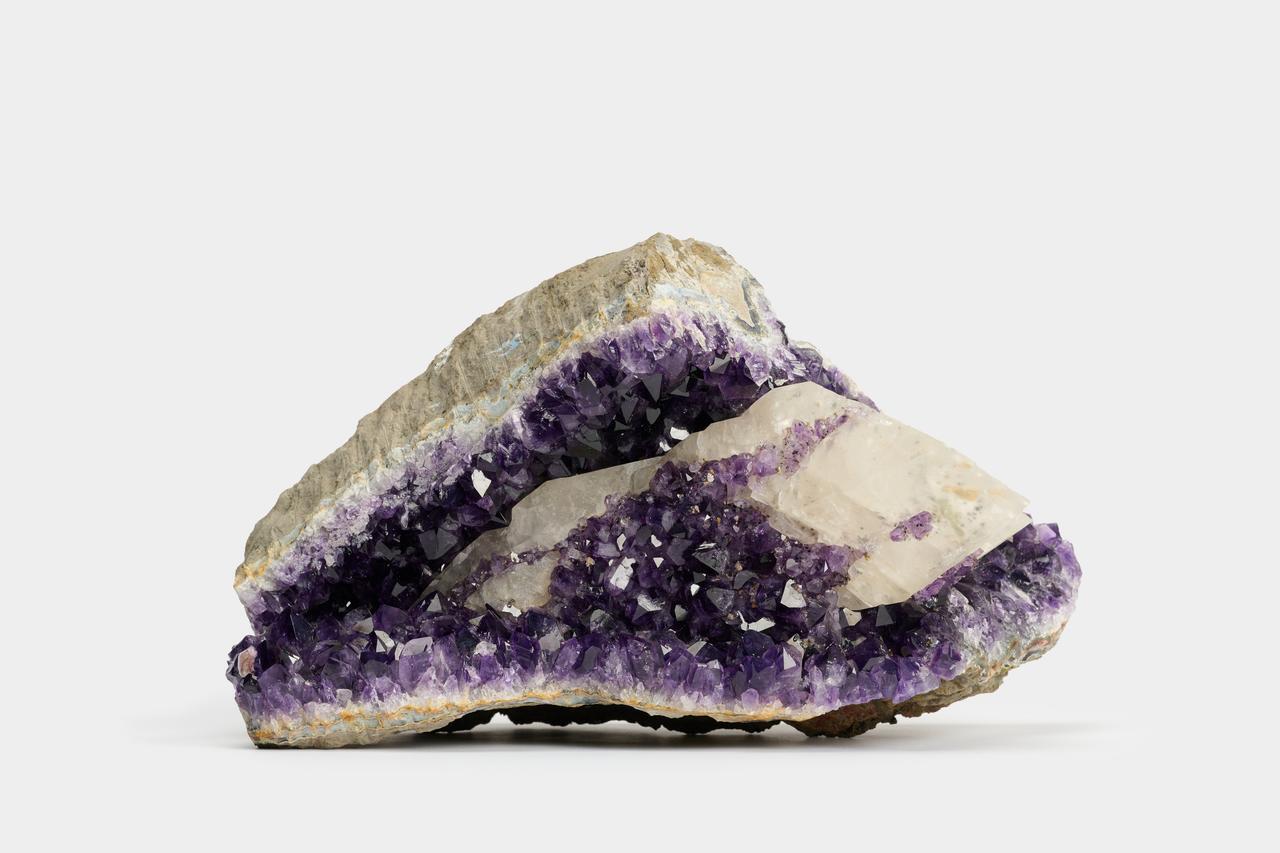
Emerald Specimen - Height: 22.16 mm - Width: 20.93 mm- 7.69 g - (1)

11
days
08
hours
28
minutes
30
seconds
Starting bid
€ 1
No reserve price
No bids placed

Catawiki Buyer Protection

Your payment’s safe with us until you receive your object.View details

Trustpilot 4.4 | 135619 reviews

Rated Excellent on Trustpilot.

Emerald specimen crystal from Swat, Pakistan, weighing 7.69 g with dimensions 22.16 × 20.93 × 11.62 mm.

AI-assisted summary

Description from the seller

Emeralds are widely considered one of the "Big Four" most valuable precious gemstones alongside diamonds, rubies, and sapphires. Beyond their striking visual appearance, the science behind how a crystal like the one in image.png forms is incredibly fascinating. 
The Geological "Impossibility" of Emeralds
From a geological perspective, natural emeralds shouldn't easily exist. Their creation requires a perfect storm of rare conditions: 
The Recipe: Emerald is a variety of the mineral beryl, which is chemically composed of beryllium aluminum silicate (Be_3Al_2Si_6O_{18}). 
The Conflict: Beryllium is an element concentrated deeply within the Earth's continental crust and is typically found in granitic pegmatites. However, the chromium and vanadium required to turn that beryl a vivid green are found primarily in the Earth's mantle and ultramafic rocks. 
The Meeting: For an emerald crystal to form, tectonic activity and intense hydrothermal fluids must force these two entirely different rock types together. Because these elements rarely meet, large, highly saturated, untamed emerald crystals are incredibly scarce in nature.

Seller's Story

I specialize in natural gemstones and mineral specimens, with a particular passion for Paraíba tourmaline and other rare tourmalines. I carefully source crystals and gemstones from trusted contacts, focusing on exceptional color, crystal quality, and natural beauty. My goal is to share unique mineral treasures with collectors who appreciate the remarkable artistry of nature.

Emeralds are widely considered one of the "Big Four" most valuable precious gemstones alongside diamonds, rubies, and sapphires. Beyond their striking visual appearance, the science behind how a crystal like the one in image.png forms is incredibly fascinating. 
The Geological "Impossibility" of Emeralds
From a geological perspective, natural emeralds shouldn't easily exist. Their creation requires a perfect storm of rare conditions: 
The Recipe: Emerald is a variety of the mineral beryl, which is chemically composed of beryllium aluminum silicate (Be_3Al_2Si_6O_{18}). 
The Conflict: Beryllium is an element concentrated deeply within the Earth's continental crust and is typically found in granitic pegmatites. However, the chromium and vanadium required to turn that beryl a vivid green are found primarily in the Earth's mantle and ultramafic rocks. 
The Meeting: For an emerald crystal to form, tectonic activity and intense hydrothermal fluids must force these two entirely different rock types together. Because these elements rarely meet, large, highly saturated, untamed emerald crystals are incredibly scarce in nature.

Seller's Story

I specialize in natural gemstones and mineral specimens, with a particular passion for Paraíba tourmaline and other rare tourmalines. I carefully source crystals and gemstones from trusted contacts, focusing on exceptional color, crystal quality, and natural beauty. My goal is to share unique mineral treasures with collectors who appreciate the remarkable artistry of nature.

Details

Number of objects
1
Main mineral
Emerald
Mineral form
Specimen
Supplement
Crystal
Weight
7.69 g
Origin (region/city)
Swat
Country of origin
Pakistan
Height
22.16 mm
Width
20.93 mm
Depth
11.62 mm
Canary IslandsVerified
pro

Similar objects

For you in

Minerals & Meteorites