No. 104716072

No. 104716072
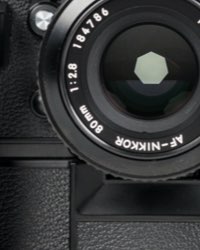
A Canon AT-1 é uma câmara reflex mono-objetiva (SLR) de 35 mm lançada pela Canon no final de 1976.
Criada como uma versão alternativa e mais económica da famosa Canon AE-1, a AT-1 foi produzida exclusivamente para exportação e destina-se a fotógrafos que valorizam o controlo totalmente manual da exposição.
Principais Características Técnicas
Modo de Exposição: Exclusivamente manual. Não possui os modos automáticos ou de prioridade ao obturador que existem na AE-1.
Encaixe de Objetiva: Utiliza o popular bocal Canon FD, sendo também compatível com as objetivas mais antigas da série FL (através de medição com o diafragma fechado).
Obturador: Plano focal eletrónico, feito de pano emborrachado. Oferece velocidades que vão de 2 segundos até 1/1000 de segundo, além do modo Bulb (B) para longas exposições.
Fotómetro Interno: Sistema TTL com medição média ponderada com predominância no centro. O visor apresenta um sistema clássico de agulha dupla (match-needle) para ajuste da exposição correta.
Alimentação: Depende obrigatoriamente de uma bateria de 6 V (modelo 4LR44 não incluído). Sem bateria, o obturador eletrónico não dispara e a câmara fica inoperante.
Design e Ergonomia
Corpo Partilhado: Utiliza exatamente o mesmo chassis leve e compacto da Canon AE-1, partilhando as mesmas dimensões e quase todos os acessórios, como o motor de avanço (Winder A) e flashes Speedlite.
Focagem Facilitada: O visor inclui um ecrã de focagem com um telémetro de imagem partida central e um anel de microprismas.
Painel Superior Descomplicado: Conta com uma alavanca de avanço do filme, um seletor de velocidades integrado com ajuste de sensibilidade ISO (ASA 25 a 3200) e um botão de verificação da bateria junto à manivela de rebobinagem.
Vantagens e Diferenciais
Preço Acessível: Por não incluir circuitos eletrónicos complexos de automatização, é frequentemente mais barata no mercado de usados do que a AE-1 e, por conseguinte, mais duradoura.
Escola de Fotografia: É uma excelente ferramenta de aprendizagem, pois obriga o utilizador a compreender a relação direta entre a abertura do diafragma e a velocidade do obturador.
Ecossistema de Lentes: O encaixe FD dá acesso a uma das coleções de óticas antigas mais vastas, nítidas e económicas do mundo da fotografia analógica.
Fornecida com a lente Canon FD 50 mm 1:1.8, uma das lentes objetivas analógicas mais icónicas e populares da história da fotografia. Lançada originalmente na década de 1970, serviu como a lente de "kit" padrão para câmaras lendárias como a Canon AE-1, AT-1 e a F-1.
Hoje em dia, é altamente procurada por cineastas e fotógrafos digitais para ser adaptada a câmaras mirrorless modernas (como Sony, Fujifilm e as séries digitais da Canon) devido ao seu carácter visual único e excelente relação qualidade-preço.
Principais Características Óticas e Mecânicas
Distância focal de 50 mm: considerada a "lente normal" para o formato full-frame (35 mm). Oferece uma perspetiva muito semelhante à do olho humano, o que a torna ideal para fotografia de rua, retratos e uso quotidiano.
Abertura Máxima de f/1.8: É uma lente rápida, excelente para fotografar em condições de pouca luz e para isolar o sujeito criando um fundo desfocado suave e estético (bokeh).
Construção Totalmente Manual: O foco e o anel de abertura são totalmente mecânicos. O anel de foco é conhecido por ser extremamente suave e preciso, ideal para quem grava vídeo.
Fórmula Ótica: Composta por 6 elementos estruturados em 4 grupos.
Evolução e Versões (FD vs. New FD)Existem duas grandes variantes estéticas e mecânicas desta lente no mercado vintage:
Canon FD (Versão Original / "Breech-lock"): Possui um anel de metal prateado na base para fixar a lente à câmara. Geralmente usa filtros de 55 mm, possui 6 lâminas de abertura e uma construção interna mais pesada, por conter mais metal (pesa cerca de 255 g).
E esta Canon nFD (New FD): Lançada a partir de 1979, removeu o anel prateado em prol de um sistema de encaixe por rotação inteiramente preto (estilo baioneta). É mais leve (170g), usa filtros de 52 mm, fecha até f/22 e reduz o número de lâminas de abertura para 5.
Desempenho Visual e Carácter Vintage
Nitidez: Quando totalmente aberta em f/1.8, a imagem apresenta um contraste ligeiramente inferior e um visual mais suave nas bordas (gerando um aspeto "sonhador" e vintage muito elogiado). No entanto, ao fechar a abertura para f/4 ou f/5.6, a lente torna-se incrivelmente nítida e cristalina, competindo com óticas modernas.
Cores e Tons: As lentes Canon FD têm uma tendência a renderizar cores com um tom ligeiramente mais frio/azul nos reflexos e sombras, que na época equilibrava a saturação quente das películas de filme.
Efeitos de Luz (Flare): Por não possuir os revestimentos digitais mais avançados (como os das lentes contemporâneas), ela gera reflexos de luz (flares) circulares proeminentes e estéticos quando exposta diretamente ao sol ou a luzes intensas.
Conjunto ideal para quem pretenda iniciar ou regressar à fotografia analógica. A máquina foi testada quanto aos seus componentes mecânicos. Necessita de pilha para funcionar. Não foi testada com filme.
How to buy on Catawiki
1. Discover something special
2. Place the top bid
3. Make a secure payment