No. 104809010

No. 104809010
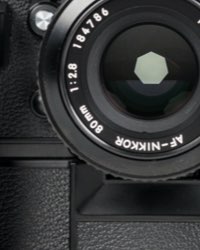
la fotocamera d'epoca a soffietto ritratta nell'immagine è un classico modello kodak retina da trentacentocinque millimetri, celebre per aver introdotto il caricatore standard della pellicola moderna. questo esemplare si presenta con un design pieghevole ad apertura orizzontale, protetto da uno sportello frontale a ribalta marchiato kodak sulla parte interna metallica. la macchina è equipaggiata con un obiettivo schneider-kreuznach xenar uno a tre virgola cinque con lunghezza focale di cinque centimetri, noto per l'ottima resa dei contrasti. l'ottica è integrata su un otturatore centrale compur-rapid con tempi di scatto rapidi che variano fino a un cinquecentesimo di secondo, oltre alle classiche pose manuali. insieme alla fotocamera viene fornita la sua custodia originale in rigida pelle marrone con il nome del modello kodak retina impresso sul davanti. questo lotto rappresenta un pezzo da collezione fondamentale per tracciare la storia della fotografia tascabile del novecento. le condizioni estetiche generali sono molto buone, con il rivestimento nero del corpo integro e le scritte incise sul gruppo ottico ben definite e leggibili.
How to buy on Catawiki
1. Discover something special
2. Place the top bid
3. Make a secure payment