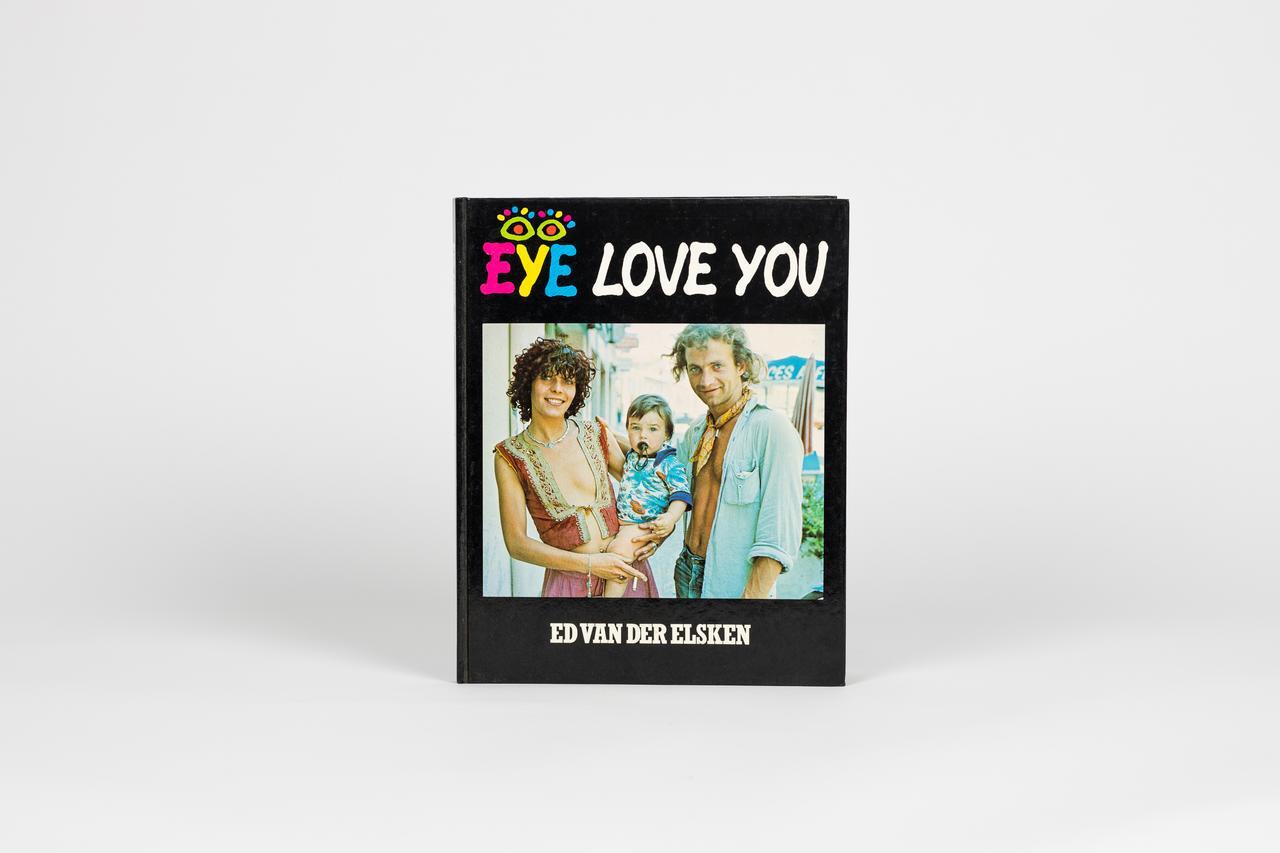
Tozo Nagata - Hiroshima・1960 - 1960


Add to your favourites to get an alert when the auction starts.
Catawiki Buyer Protection
Your payment’s safe with us until you receive your object.View details
Trustpilot 4.4 | 136342 reviews
Rated Excellent on Trustpilot.
Description from the seller
Hiroshima・1960
Tozo Nagata
Patria Bookshop/1960/Japanese/183*258*8
Hiroshima 1960 / Hiroshima 1960 is a collection of photographs by Japanese photographer Tozo Nagata. While working at the Osaka head office of the Mainichi Shimbun newspaper, Nagata travelled to Hiroshima on his days off, ‘seeing that the professional photographers would not touch the city, I, as an amateur, took up a camera’. This book is a record of the lives of A-bomb survivors in Hiroshima. Fifteen years after the bombing, the wounds have not healed, but have spread inside the bodies of a female teacher, an office worker, a fisherman and an old woman. Moreover, each of them has dealt with their wounds in solitude in their daily lives’ (from the back cover). The book introduces the daily lives of eight groups of hibakusha who were forced to live with the fact that they had been exposed to the atomic bombing, despite the differences in their circumstances: some work and build families despite their various disabilities, while others are unable to work due to their symptoms. Although they call themselves amateurs, the photographers‘ skill and the casual expressions on their subjects’ faces are skillfully captured. (Included in The Japanese Photobook 1912-1990)
Hiroshima・1960
Tozo Nagata
Patria Bookshop/1960/Japanese/183*258*8
Hiroshima 1960 / Hiroshima 1960 is a collection of photographs by Japanese photographer Tozo Nagata. While working at the Osaka head office of the Mainichi Shimbun newspaper, Nagata travelled to Hiroshima on his days off, ‘seeing that the professional photographers would not touch the city, I, as an amateur, took up a camera’. This book is a record of the lives of A-bomb survivors in Hiroshima. Fifteen years after the bombing, the wounds have not healed, but have spread inside the bodies of a female teacher, an office worker, a fisherman and an old woman. Moreover, each of them has dealt with their wounds in solitude in their daily lives’ (from the back cover). The book introduces the daily lives of eight groups of hibakusha who were forced to live with the fact that they had been exposed to the atomic bombing, despite the differences in their circumstances: some work and build families despite their various disabilities, while others are unable to work due to their symptoms. Although they call themselves amateurs, the photographers‘ skill and the casual expressions on their subjects’ faces are skillfully captured. (Included in The Japanese Photobook 1912-1990)