No. 105451963

No. 105451963
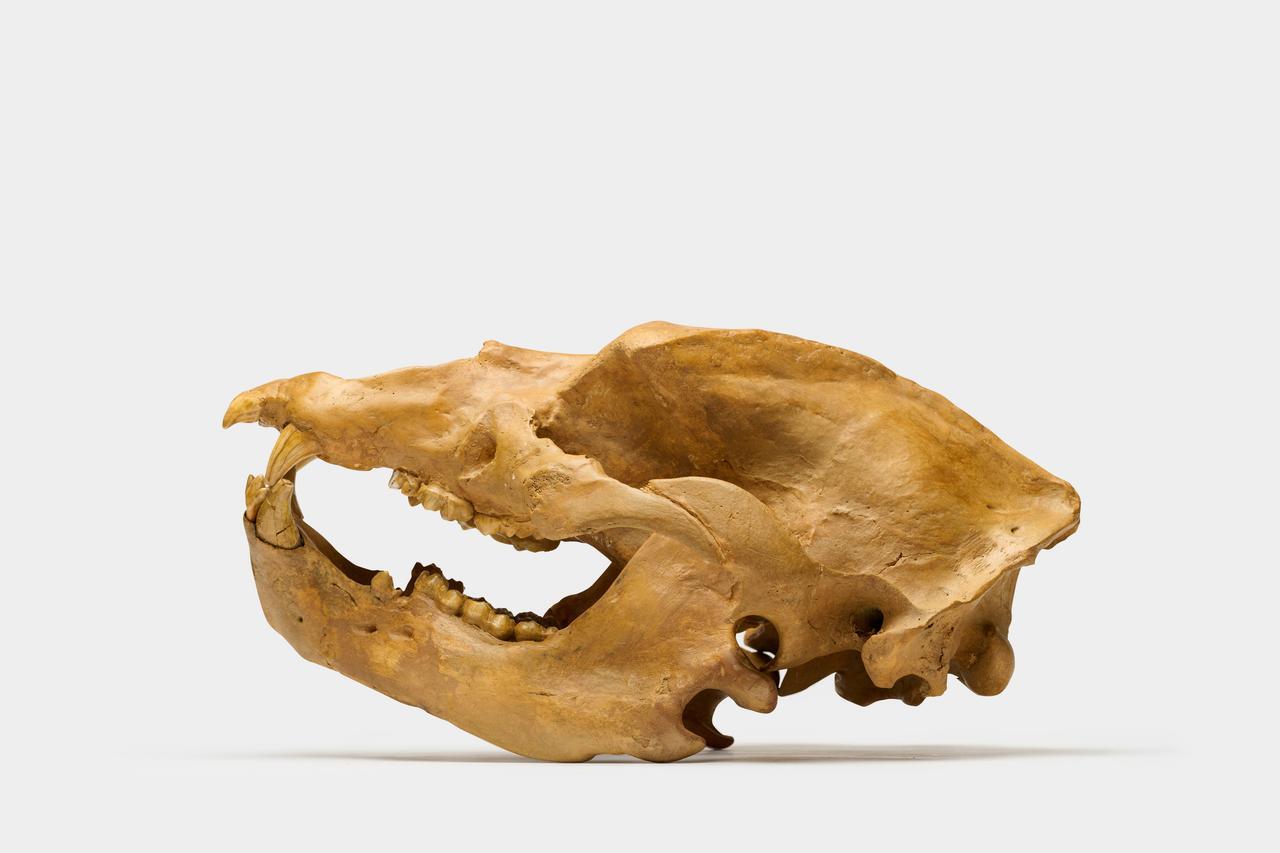
Mandibola fossile di Bison priscus – Polonia
Autentica mandibola fossile di Bison priscus (bisonte delle steppe), proveniente dalla Polonia. La mandibola conserva la serie dentaria ancora presente. I denti sono naturalmente alloggiati nelle rispettive cavità alveolari e presentano un lieve movimento, dovuto ai naturali processi di fossilizzazione e conservazione; non risultano incollati.
La superficie ossea conserva dettagli anatomici ben leggibili che ne valorizzano l'interesse paleontologico e collezionistico.
Dimensioni: 44 × 22 × 5 cm
Peso: 0,893 kg
Periodo geologico: Bison priscus vissuto tra il Pleistocene medio e l'Olocene inferiore (circa 600.000–7.500 anni fa)
Condizioni: Naturale
Provenienza: Polonia
Esemplare fotografato da diverse angolazioni e con dettagli ravvicinati per mostrarne con precisione lo stato di conservazione e le caratteristiche naturali. I colori possono variare leggermente a seconda del dispositivo e delle impostazioni dello schermo utilizzato per visualizzare le immagini.
How to buy on Catawiki
1. Discover something special
2. Place the top bid
3. Make a secure payment