No. 105789085

No. 105789085
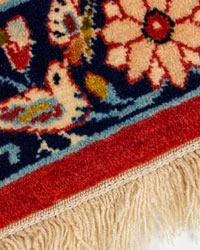
Anatolische Teppiche – wie der auf deinem Bild – sind ein faszinierender Bestandteil der türkischen Kulturgeschichte und gehören zu den ältesten und kunstvollsten Teppichtraditionen der Welt.
Was ist ein anatolischer Teppich?
Anatolien (heutiges Zentral- und Ostanatolien in der Türkei) ist seit Jahrhunderten ein bedeutendes Zentrum der Teppichherstellung. Die Teppiche aus dieser Region sind bekannt für:
Handgeknüpfte Qualität
Natürliche Materialien wie Wolle, Baumwolle oder manchmal Seide
Pflanzengefärbte Wolle, was für satte, langlebige Farben sorgt
Traditionelle Muster und Symbolik – oft mit religiösem, schützendem oder spirituellem Hintergrund
Regionale Stile innerhalb Anatoliens:
Hereke: Besonders fein, oft mit Seide; ursprünglich für den osmanischen Hof.
Konya: Geometrische, klare Muster; kräftige Farben.
Bergama: Rustikaler Stil, große geometrische Formen.
Yörük (Nomaden): Freiere, oft improvisierte Muster, lebendig und einzigartig.
Ladik und Milas: Bekannt für ihre Gebetsteppiche mit Mihrab-Motiven.
Typische Motive und Bedeutungen:
Elibelinde (Frauenfigur): Symbol für Fruchtbarkeit
Koçboynuzu (Widderhorn): Kraft, Männlichkeit
Hayat Ağacı (Baum des Lebens): Verbindung zwischen Himmel und Erde
Nazarlık (blaues Auge): Schutz gegen böse Blicke
Zum Teppich auf deinem Bild:
Der Teppich zeigt klassische Merkmale eines Kazak- oder Karachoph-Stils, was oft mit dem Südkaukasus oder Nordostanatolien assoziiert wird, aber auch in Anatolien geknüpft wird. Die kräftigen, achteckigen Medaillons und der tiefe Rotton sind typisch. Das Muster wirkt sehr archaisch und kraftvoll – ein echtes Stück Volkskunst.
Name der Teppich : Anatolien Teppiche
Herstellung: Handgeknüpft
Herkunftsland: Türkei
Modell: Klassik
Zustand: Sehr gut Perfekt
Alter : 10-15
Dicke : 8 mm
How to buy on Catawiki
1. Discover something special
2. Place the top bid
3. Make a secure payment