No. 106526738

No. 106526738
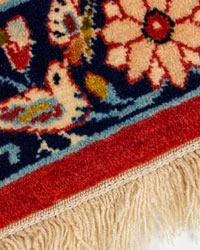
Tapis berbère Âge estimé : XXe siècle (probablement du milieu à la fin du siècle) Matériaux : Laine Style : Motifs géométriques à rayures, couleurs vives Origine : Maroc (probablement une tribu berbère) Importance historique : Les tapis berbères sont des œuvres textiles traditionnelles créées par les populations berbères d'Afrique du Nord, principalement au Maroc. Chaque tapis raconte une histoire à travers ses motifs, ses symboles et ses couleurs, reflétant souvent la vie quotidienne, les croyances spirituelles et le statut social de la tisserande. Ce tapis en particulier, avec ses rayures aux couleurs vives et saturées, suggère une création relativement récente, tout en s'inscrivant dans une tradition artisanale séculaire. Ces tapis servaient de couvertures, de tapis de sol ou d'éléments textiles fonctionnels pour la maison. Les couleurs vives, et souvent peu conventionnelles, sont caractéristiques de certains tapis berbères plus modernes, reflétant l'influence des teintures synthétiques et des styles contemporains. La disposition des rayures peut revêtir une signification symbolique propre à la tribu ou à la famille ayant tissé le tapis. Les franges situées à l'extrémité du tapis sont souvent laissées à l'état naturel ou peuvent être nouées pour une plus grande solidité.
How to buy on Catawiki
1. Discover something special
2. Place the top bid
3. Make a secure payment