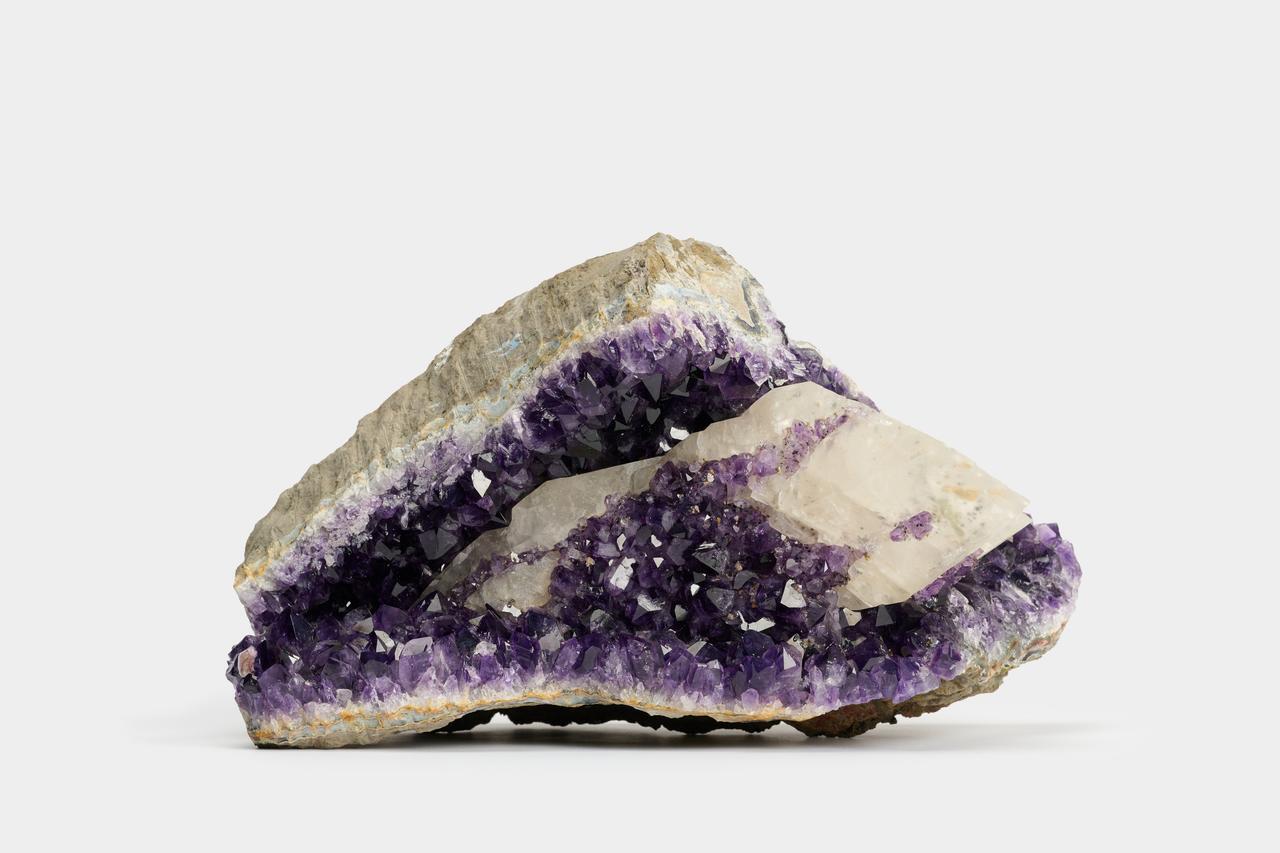
Pultusk Chondrite Meteorite - 192.55 g

11
days
09
hours
51
minutes
06
seconds
Starting bid
€ 1
Reserve price not met
Francesco Moser
Expert
Selected by Francesco Moser

Over 20 years collecting meteorites; former museum curator and experienced restorer.

Estimate  € 2,500 - € 2,800
No bids placed

Catawiki Buyer Protection

Your payment’s safe with us until you receive your object.View details

Trustpilot 4.4 | 141904 reviews

Rated Excellent on Trustpilot.

Pultusk meteorite, a chondrite, from Pułtusk, Poland; weight 192.55 g.

AI-assisted summary

Description from the seller

Hi, my name is Adrian. I am a meteorite hunter and a member of the Polish Meteorite Society.

For many years I have been fascinated by space and extraterrestrial matter. My interests in astrophysics, geography and travel have over time evolved into a passion for meteorite hunting. I am especially interested in stony meteorites and the history of their discovery.

Today I would like to offer you one of my own finds – the Pułtusk meteorite.

Pułtusk is one of the best-known Polish meteorites and at the same time one of the most famous meteorite falls in history. The fall occurred on January 30, 1868, in the Pułtusk region of Poland. During this extraordinary event thousands of fragments rained to the Earth's surface, forming a vast scatter field.

The offered specimen was found by me in 2026 during my own field searches.

The meteorite weighs 192.55 g and has preserved a beautiful natural fusion crust, a remnant of its passage through the atmosphere. The specimen has been only gently cleaned to remove dirt and reveal its natural surface, without altering its structure.

To me this specimen is more than just another fragment of a meteorite. Behind its discovery lie hours spent in the field, searches, terrain analysis and above all a passion for discovering matter that came to us from space.

I hope it will reach a collector who will appreciate both its scientific and historical value, as well as the story of its discovery, and give it proper care.

Pułtusk meteorite, 192.55 g – own find, 2026.

Hi, my name is Adrian. I am a meteorite hunter and a member of the Polish Meteorite Society.

For many years I have been fascinated by space and extraterrestrial matter. My interests in astrophysics, geography and travel have over time evolved into a passion for meteorite hunting. I am especially interested in stony meteorites and the history of their discovery.

Today I would like to offer you one of my own finds – the Pułtusk meteorite.

Pułtusk is one of the best-known Polish meteorites and at the same time one of the most famous meteorite falls in history. The fall occurred on January 30, 1868, in the Pułtusk region of Poland. During this extraordinary event thousands of fragments rained to the Earth's surface, forming a vast scatter field.

The offered specimen was found by me in 2026 during my own field searches.

The meteorite weighs 192.55 g and has preserved a beautiful natural fusion crust, a remnant of its passage through the atmosphere. The specimen has been only gently cleaned to remove dirt and reveal its natural surface, without altering its structure.

To me this specimen is more than just another fragment of a meteorite. Behind its discovery lie hours spent in the field, searches, terrain analysis and above all a passion for discovering matter that came to us from space.

I hope it will reach a collector who will appreciate both its scientific and historical value, as well as the story of its discovery, and give it proper care.

Pułtusk meteorite, 192.55 g – own find, 2026.

Details

Name of meteorite
Pultusk
Type of meteorite
Chondrite Meteorite
Weight
192.55 g
Origin (region/city)
Pultusk
Country of origin
Poland
PolandVerified
New
on Catawiki
Private

Similar objects

  • ​
    ​
    ​
  • ​
    ​
    ​
  • ​
    ​
    ​
  • ​
    ​
    ​
  • ​
    ​
    ​
  • ​
    ​
    ​
  • ​
    ​
    ​
  • ​
    ​
    ​
  • ​
    ​
    ​
  • ​
    ​
    ​

For you in

Minerals & Meteorites

  • ​
    ​
    ​
  • ​
    ​
    ​
  • ​
    ​
    ​
  • ​
    ​
    ​
  • ​
    ​
    ​
  • ​
    ​
    ​
  • ​
    ​
    ​
  • ​
    ​
    ​
  • ​
    ​
    ​
  • ​
    ​
    ​