ESPERANTO - various countries - Postcard (27) - 1909-1972


05
days
03
hours
29
minutes
15
seconds

 | €1 |
|---|
Catawiki Buyer Protection
Your payment’s safe with us until you receive your object.View details
Trustpilot 4.4 | 144058 reviews
Rated Excellent on Trustpilot.
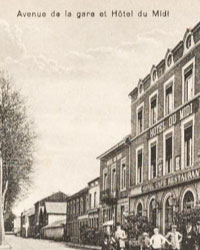
Collection of 27 Esperanto-themed postcards from diverse countries, dating from 1909 to 1972, all used and scanned, in good condition.
AI-assisted summary
Description from the seller
A unique collection of postcards from diverse countries in the Esperanto language.
1909-1972
All cards have been circulated and scanned.
In good condition, see the scans for a clear idea of this lot.
Esperanto is a deliberately constructed international auxiliary language designed to make it easier for people from different countries to communicate with each other. These postcards are the tangible proof of that.
The Polish ophthalmologist Ludwik Zamenhof introduced the language in 1887. He hoped to promote international communication and reduce language barriers.
Esperanto has simple grammatical rules, few exceptions, and words that are often recognizable from European languages. This makes it relatively quick to learn.
The language still has speakers worldwide, as well as books, music and gatherings. However, it has never become the universal world language that Zamenhof hoped for.
Details
Era
1900-2000
Number of objects
27
Subject
ESPERANTO - various countries
Year - youngest item
1972
Year - oldest item
1909
Condition
Fine condition