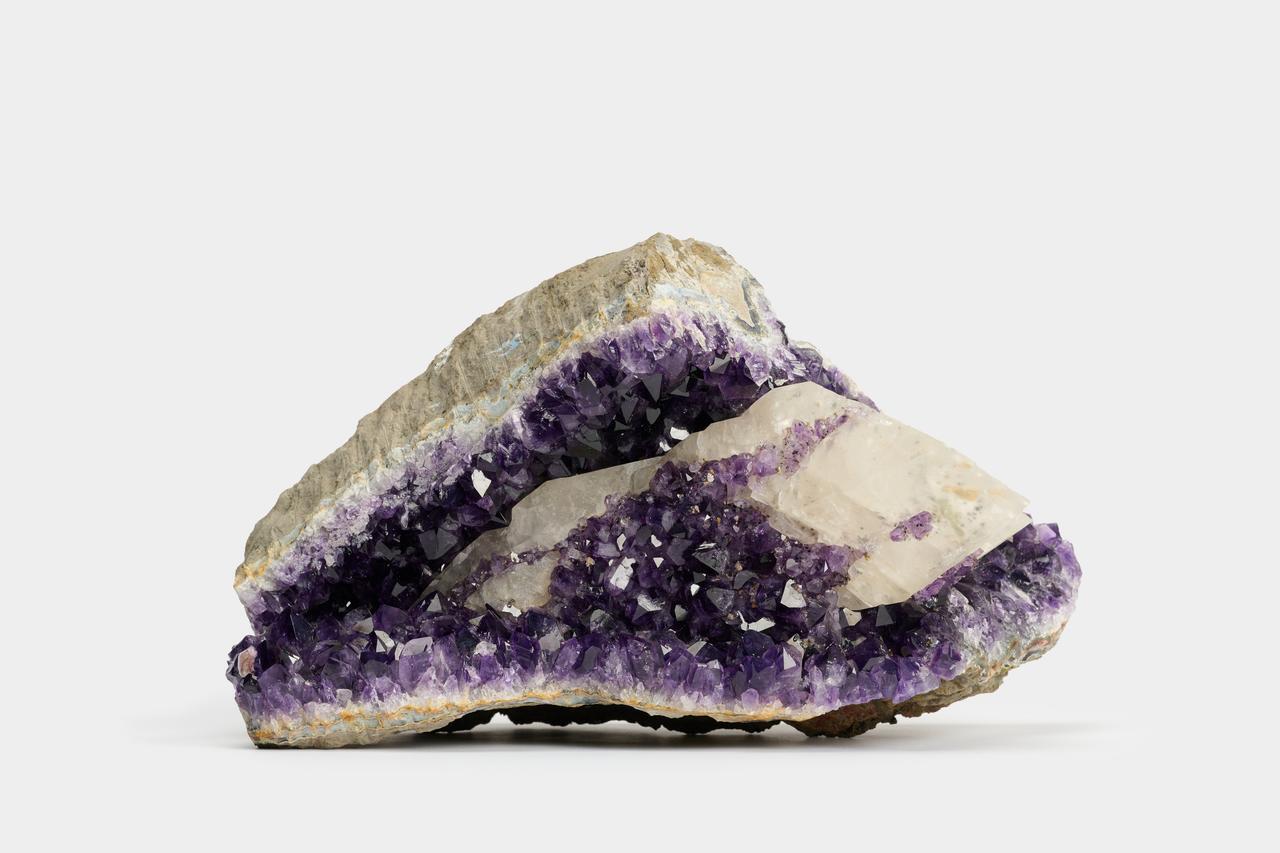
Campo del Cielo - Meteorite – Extraterrestrial Fragment - Height: 35 mm - Width: 20 mm- 21 g


Over 20 years collecting meteorites; former museum curator and experienced restorer.
| €45 | ||
|---|---|---|
| €40 | ||
| €31 | ||
Catawiki Buyer Protection
Your payment’s safe with us until you receive your object.View details
Trustpilot 4.4 | 121899 reviews
Rated Excellent on Trustpilot.
Authentic Campo del Cielo meteorite fragment from Argentina, an extraterrestrial iron-nickel specimen weighing 21 g and measuring about 35 by 20 by 16 mm, a tangible piece of cosmic history for bidding enthusiasts.
Description from the seller
This authentic specimen comes from the famous impact site Campo del Cielo, one of the most important documented meteorite falls on the planet. The meteorite, mainly composed of iron and nickel, displays a natural surface sculpted by the immense pressures and temperatures of deep space and by passing through the Earth's atmosphere.
The Campo del Cielo is a meteorite field located in northern Argentina, between the provinces of Chaco and Santiago del Estero. The fragments that make it up come from a gigantic iron meteorite that impacted Earth approximately 4,000-5,000 years ago. During entry into the atmosphere, the object exploded into multiple fragments, creating a series of craters and scattering material over a vast area of more than 60 km².
Seller's Story
This authentic specimen comes from the famous impact site Campo del Cielo, one of the most important documented meteorite falls on the planet. The meteorite, mainly composed of iron and nickel, displays a natural surface sculpted by the immense pressures and temperatures of deep space and by passing through the Earth's atmosphere.
The Campo del Cielo is a meteorite field located in northern Argentina, between the provinces of Chaco and Santiago del Estero. The fragments that make it up come from a gigantic iron meteorite that impacted Earth approximately 4,000-5,000 years ago. During entry into the atmosphere, the object exploded into multiple fragments, creating a series of craters and scattering material over a vast area of more than 60 km².