Nr. 102536244

Verkauft
Europa. 2 Euro Various Years (3 coins with cancellation marks)  (Ohne mindestpreis)
Höchstgebot
€ 5
Ohne mindestpreis
Vor 9 Wochen

Europa. 2 Euro Various Years (3 coins with cancellation marks) (Ohne mindestpreis)

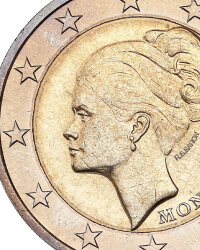
For Sale 3 coins together ( photo number 11 ) Malta: 2 euros Year 2012 Constitution of Malta - Majority Representatives 1887 - 2012 Bimetallic alloy Central copper-nickel element plated with nickel. Nickel-plated brass ring Shape: Round Obverse/Reverse: Non-reversed Weight (g) 8.5 Diameter (mm) 25.75 Thickness (mm) 2.2 Edge inscription: "2✠✠ 2✠✠ 2✠✠ 2✠✠ 2✠✠ 2✠✠" Designers: Luc Luycx Obverse: Description: Constitution of Malta - Representatives of the Majority 1887 - 2012 The building in the background does not show all 17 windows that make up the entire building; the window outline is blurred. All 9 human figures depicted in the foreground are missing; their shapes are blurred and barely visible. The coin's core is separated from the outer ring. Additionally, three deep grooves run diagonally between the coin's core and outer ring, caused by incorrect die positioning during minting. Coin reverse: central ring distorted. The outer edge of the coin is distorted. All six stars and six vertical lines under the EURO inscription are missing. All six stars and six vertical lines above the EURO inscription are missing. The map of Europe at the bottom is damaged and incomplete (some countries are missing). The number 2 is partially distorted. Three deep, narrow cracks run centrally through the coin's center and outer edge. Below the EURO inscription, A unique coin for collectors. Luxembourg 2 Euro, 2014 - DESTRUKT - Error circulation coin ( photo number 11a ) A very rare coin, sought after by collectors. Bimetallic alloy. Central element made of nickel-plated brass. Cupronickel Ring Side Type: Serrated with Inscription Edge Inscription: '2 ★ ★ 2 ★ ★ ★ ★ 2 ★ ★ ★ 2 ★ ★ 2 ★ ★' Shape: Round Obverse/Reverse Arrangement: Not Reversed Weight (g) 8.5 Diameter (mm) 25.75 Thickness (mm) 2.2 Designers: Joaquin Jimenez, Yvette Gastauer-Claire (YGC) During minting, the dies are subjected to high dynamic loads, which sometimes causes damage in the form of cracks or even chipping. Friction between the dies' surfaces and the coin blank causes gradual wear of the dies. Contrary to appearances, mint detritus are highly sought after by collectors because their uniqueness makes them interesting and often very valuable due to their rarity and exceptionality. Reverse: Map of Europe, EU, numeral 2 Coin core separated from the outer ring The outer edge of the coin is distorted. All 6 stars and 6 vertical lines below the EURO inscription are missing. All 6 stars and 6 vertical lines above the EURO inscription are missing. The lower part of the map of Europe is damaged and incomplete (some countries are missing). The numeral 2 is partially distorted. Three deep, narrow cracks run diagonally across the center of the coin and the outer edge. Obverse: Henri, Grand Duke of Luxembourg Inscription: LËTZEBUERG 2014 The stars on the outer edge of the coin are deformed. The inscription LËTZEBUERG and the year 2014 are distorted. The central part of the coin is not clearly divided into two equal fields. The image of Henri, Grand Duke of Luxembourg is distorted. The coin's shape is deformed. Additionally, three very narrow, deep grooves are visible on the coin, ending in deep triangles, created during the die movement. The upper edge of the coin is significantly deformed. An interesting and unique, very rare and unusual coin. Currency: Euro ( photo number 11b) Type: Mint Blank Denomination: 2 euro Year: Unknown Bimetallic alloy. Nickel-plated brass with a medium nickel content. Cupronickel ring, without ribs (smooth) Shape: Round Obverse/Reverse Arrangement: Non-reversed Weight (g) 8.5 Diameter (mm) 25.75 Thickness (mm) 2.2 During minting, the dies are subjected to high dynamic loads, which sometimes causes damage in the form of cracks or even chips. Friction between the surfaces of the dies and the coin blank causes gradual wear of the dies. Contrary to popular belief, mint flaws are highly sought after by collectors because their uniqueness makes them interesting and often very valuable due to their rarity and exceptionality. Obverse of the mint blank: the coin core is separated from the outer ring. Additionally, six deep grooves run through the coin core and outer ring, ending at their ends in a large triangular depression. Reverse of the mint blank: the coin core is separated from the outer ring. Additionally, three deep grooves run through the coin core and outer ring. During the die's movement, the die struck the right side of the blank again, leaving a large semicircle (because the blank remained on the conveyor belt and was not moved). The die struck the lower section of the blank again, leaving a small semicircle. The shape of the blank is deformed, including the outer ring. A very rare form of Error mint blank, a treat for collectors.

Nr. 102536244

Verkauft
Europa. 2 Euro Various Years (3 coins with cancellation marks)  (Ohne mindestpreis)

Europa. 2 Euro Various Years (3 coins with cancellation marks) (Ohne mindestpreis)


For Sale 3 coins together ( photo number 11 )
Malta: 2 euros Year 2012
Constitution of Malta - Majority Representatives
1887 - 2012
Bimetallic alloy
Central copper-nickel element plated with nickel.
Nickel-plated brass ring
Shape: Round
Obverse/Reverse: Non-reversed
Weight (g) 8.5
Diameter (mm) 25.75
Thickness (mm) 2.2
Edge inscription: "2✠✠ 2✠✠ 2✠✠ 2✠✠ 2✠✠ 2✠✠"
Designers: Luc Luycx

Obverse:
Description: Constitution of Malta - Representatives of the Majority
1887 - 2012
The building in the background does not show all 17 windows that make up the entire building; the window outline is blurred.
All 9 human figures depicted in the foreground are missing; their shapes are blurred and barely visible. The coin's core is separated from the outer ring.

Additionally, three deep grooves run diagonally between the coin's core and outer ring, caused by incorrect die positioning during minting.

Coin reverse: central ring distorted.
The outer edge of the coin is distorted.
All six stars and six vertical lines under the EURO inscription are missing.
All six stars and six vertical lines above the EURO inscription are missing.
The map of Europe at the bottom is damaged and incomplete (some countries are missing).
The number 2 is partially distorted.
Three deep, narrow cracks run centrally through the coin's center and outer edge. Below the EURO inscription,
A unique coin for collectors.


Luxembourg 2 Euro, 2014 - DESTRUKT - Error circulation coin ( photo number 11a )
A very rare coin, sought after by collectors.
Bimetallic alloy.
Central element made of nickel-plated brass.

Cupronickel Ring
Side Type: Serrated with Inscription
Edge Inscription: '2 ★ ★ 2 ★ ★ ★ ★ 2 ★ ★ ★ 2 ★ ★ 2 ★ ★'
Shape: Round
Obverse/Reverse Arrangement: Not Reversed
Weight (g) 8.5
Diameter (mm) 25.75
Thickness (mm) 2.2
Designers: Joaquin Jimenez, Yvette Gastauer-Claire (YGC)

During minting, the dies are subjected to high dynamic loads, which sometimes causes damage in the form of cracks or even chipping. Friction between the dies' surfaces and the coin blank causes gradual wear of the dies. Contrary to appearances, mint detritus are highly sought after by collectors because their uniqueness makes them interesting and often very valuable due to their rarity and exceptionality.

Reverse: Map of Europe, EU, numeral 2
Coin core separated from the outer ring
The outer edge of the coin is distorted.

All 6 stars and 6 vertical lines below the EURO inscription are missing.

All 6 stars and 6 vertical lines above the EURO inscription are missing.
The lower part of the map of Europe is damaged and incomplete (some countries are missing).
The numeral 2 is partially distorted.
Three deep, narrow cracks run diagonally across the center of the coin and the outer edge.

Obverse: Henri, Grand Duke of Luxembourg
Inscription: LËTZEBUERG 2014
The stars on the outer edge of the coin are deformed.
The inscription LËTZEBUERG and the year 2014 are distorted. The central part of the coin is not clearly divided into two equal fields. The image of Henri, Grand Duke of Luxembourg is distorted.
The coin's shape is deformed. Additionally, three very narrow, deep grooves are visible on the coin, ending in deep triangles, created during the die movement. The upper edge of the coin is significantly deformed.
An interesting and unique, very rare and unusual coin.

Currency: Euro ( photo number 11b)
Type: Mint Blank
Denomination: 2 euro
Year: Unknown
Bimetallic alloy.
Nickel-plated brass with a medium nickel content.
Cupronickel ring, without ribs (smooth)
Shape: Round
Obverse/Reverse Arrangement: Non-reversed
Weight (g) 8.5
Diameter (mm) 25.75
Thickness (mm) 2.2

During minting, the dies are subjected to high dynamic loads, which sometimes causes damage in the form of cracks or even chips. Friction between the surfaces of the dies and the coin blank causes gradual wear of the dies. Contrary to popular belief, mint flaws are highly sought after by collectors because their uniqueness makes them interesting and often very valuable due to their rarity and exceptionality.

Obverse of the mint blank: the coin core is separated from the outer ring.
Additionally, six deep grooves run through the coin core and outer ring, ending at their ends in a large triangular depression.

Reverse of the mint blank: the coin core is separated from the outer ring.
Additionally, three deep grooves run through the coin core and outer ring. During the die's movement, the die struck the right side of the blank again, leaving a large semicircle (because the blank remained on the conveyor belt and was not moved). The die struck the lower section of the blank again, leaving a small semicircle.

The shape of the blank is deformed, including the outer ring.
A very rare form of Error mint blank, a treat for collectors.


Höchstgebot
€ 5
Ohne mindestpreis

Ähnliche Objekte

Für Sie aus der Kategorie

Euromünzen

Suchalarm einrichten
Richten Sie einen Suchalarm ein, um benachrichtigt zu werden, sobald neue passende Objekte verfügbar sind.

Dieses Objekt wurde vorgestellt in:


So kaufen Sie auf Catawiki

Mehr zum Käuferschutz erfahren

      1. Etwas Besonderes entdecken

      Entdecken Sie in unseren Auktionen Tausende von besonderen Objekten, die von Experten ausgewählt wurden. Sehen Sie sich die Fotos, die ausführliche Beschreibung und den Schätzwert der besonderen Objekte an, die Sie interessieren. 

      2. Höchstgebot abgeben

      Finden Sie etwas, das Sie begeistert, und geben Sie das Höchstgebot ab. Sie können die Auktion bis zum Schluss mitverfolgen oder unser System für Sie bieten lassen. Dazu müssen Sie einfach nur den Maximalbetrag eingeben, den Sie für das jeweilige Objekt ausgeben möchten. 

      3. Sichere Zahlung durchführen

      Bezahlen Sie Ihr besonderes Objekt und wir verwahren Ihre Zahlung, bis Ihr Objekt unversehrt bei Ihnen angekommen ist. Wir wickeln alle Transaktionen mit einem zuverlässigen und sicheren Zahlungssystem ab. 

Haben Sie etwas Ähnliches zu verkaufen?

Unabhängig davon, ob Online-Auktionen Neuland für Sie sind oder ob Sie gewerblich verkaufen – wir helfen Ihnen, mehr mit Ihren besonderen Objekten zu verdienen.

Objekt verkaufen