Nr. 107888692

Verkauft
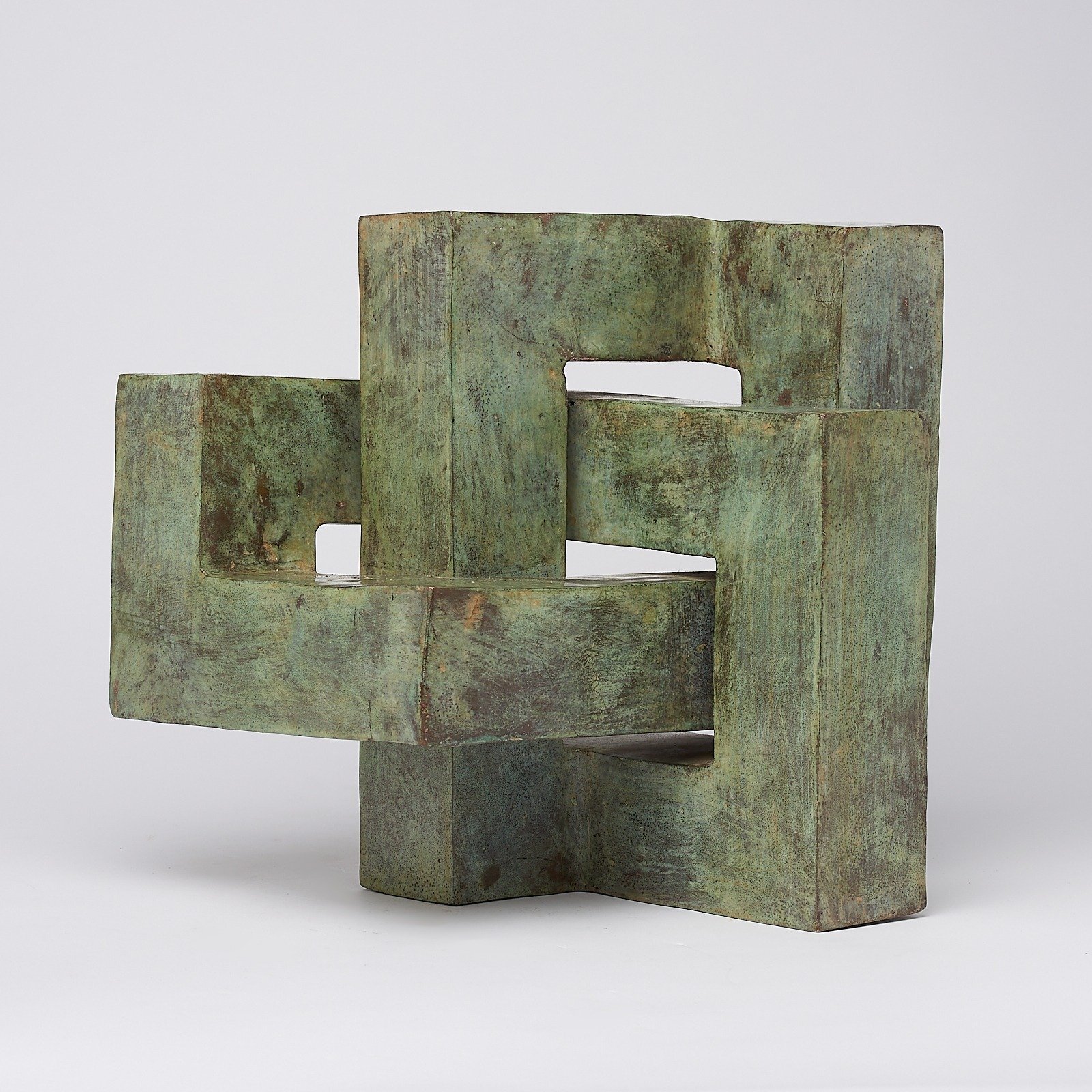
Hocker - 19. Jahrhundert - Eiche - Alter handgefertigter Eichenhocker
Höchstgebot
€ 95
Ohne mindestpreis
Vor 30 s

Hocker - 19. Jahrhundert - Eiche - Alter handgefertigter Eichenhocker

Antique 19th-Century Rustic Wooden Milking Stool – Primitive Folk Furniture with Authentic Patina * Antique rural milking stool, attributed to the late 19th century. * Handmade solid wood construction with a beautifully aged, naturally weathered surface. * Distinctive rectangular seat featuring deep grain, irregularities, old marks, and traditional dark metal fastenings. * Simple, sculptural legs that reflect the practical ingenuity of traditional rural furniture. * Authentic original character, with visible wear and a rich, time-softened patina. * Highly decorative primitive folk-art object, ideal for rustic, farmhouse, wabi-sabi, and contemporary interiors. * A versatile antique that can be displayed as a small occasional table, sculptural accent, or collector’s piece. Description This characterful antique wooden milking stool is a compelling example of traditional rural craftsmanship, embodying the honesty, simplicity, and resourcefulness of 19th-century country life. Its unpretentious silhouette, substantial wooden seat, and individually shaped legs express a form of furniture created primarily for everyday use, long before industrial production transformed the manufacture of domestic objects. Attributed to the late 19th century, this rustic stool possesses the distinctive appearance of authentic primitive furniture. Its appeal lies not in decorative refinement or elaborate ornamentation, but in the natural beauty of aged timber, the irregularity of its handmade construction, and the unmistakable marks of a long working life. The result is an object with considerable visual character and a strong sculptural presence. The broad, rectangular seat is particularly striking. Its surface reveals pronounced wood grain, deep fissures, worn edges, small indentations, and irregular textures developed through age and use. The warm brown and honey-coloured tones are complemented by darker areas around the old metal fastenings, creating a naturally varied surface rich in depth and contrast. Rather than appearing uniform or artificially finished, the timber retains the raw, tactile quality that makes genuine antique folk furniture so desirable. The legs are simple, robust, and individually shaped, reflecting a practical approach to construction in which function took precedence over formal symmetry. Their slightly irregular appearance reinforces the stool’s handmade character and gives the piece an organic, almost sculptural quality. The visible metal elements and signs of wear contribute to its utilitarian aesthetic, preserving the impression of a working object rather than a piece manufactured solely for decoration. Every surface tells a different part of the story. The softened corners, uneven grain, small imperfections, and naturally weathered finish give the stool a sense of authenticity that is difficult to reproduce convincingly in modern furniture. These characteristics are central to its appeal: they reveal the passage of time and celebrate the beauty of materials shaped by human hands and everyday use. Historically, simple wooden stools were indispensable objects in rural households and agricultural environments. Compact, practical, and easy to move, they served a variety of purposes in barns, kitchens, workshops, and farmyards. This example retains the visual language of that utilitarian tradition, offering a tangible connection to a more self-sufficient way of life in which furniture was valued for its usefulness, durability, and capacity to endure. Today, the stool offers possibilities far beyond its original function. In a country house or farmhouse interior, it introduces warmth and an authentic rustic accent. In a contemporary minimalist setting, its weathered timber provides a striking contrast to smooth plaster, pale stone, linen, and restrained architectural forms. Within a wabi-sabi-inspired space, its irregularities and aged surfaces become defining features, celebrating imperfection, natural materials, and the quiet beauty of objects shaped by time. It can be displayed as a small occasional table beside an armchair, used as a decorative stand for a ceramic vessel or sculptural object, or incorporated into a carefully curated collection of antique folk furniture. Its low profile and compact proportions make it particularly suitable for layered interiors, where individual objects are selected for their material presence and historical character. The stool will appeal to collectors of primitive furniture, enthusiasts of European rural antiques, admirers of folk art, and interior designers seeking original pieces with texture and personality. Its aesthetic also complements industrial, organic modern, rustic contemporary, and Scandinavian-inspired interiors, where the contrast between old timber and understated surroundings creates a sophisticated visual balance. Unlike newly produced distressed furniture, an authentic antique carries the irregularities of its own history. The aged surface, visible construction, and honest wear give this stool an individual identity that cannot be reduced to a decorative style alone. It is both a functional remnant of rural life and a small piece of material history. This antique milking stool is therefore more than a humble piece of farm furniture. It is an evocative example of vernacular craftsmanship, primitive design, and the enduring appeal of natural materials. With its expressive wooden surface, warm patina, and understated silhouette, it offers a rare opportunity to introduce genuine historical character into a modern collection or interior. A distinctive antique for collectors and design-conscious buyers who appreciate authentic age, traditional craftsmanship, rustic elegance, and the timeless beauty of well-worn wood. Condition The stool displays a visibly aged surface with pronounced grain, fissures, worn edges, indentations, and other signs of use consistent with its rustic appearance. These features contribute to its individual character. Please examine all photographs carefully, as they form an important part of the condition description. The precise age, wood species, construction history, and any structural repairs should be confirmed where possible before making definitive claims. Additional Information * Period: Attributed to the late 19th century * Style: Primitive, folk, rustic, farmhouse * Material: Wood, with visible metal fastenings * Origin: Not established * Use: Originally associated with rural or agricultural furniture; suitable today as a decorative accent or occasional table * Condition: Aged, with visible wear and natural surface irregularities

Nr. 107888692

Verkauft
Hocker - 19. Jahrhundert - Eiche - Alter handgefertigter Eichenhocker

Hocker - 19. Jahrhundert - Eiche - Alter handgefertigter Eichenhocker

Antique 19th-Century Rustic Wooden Milking Stool – Primitive Folk Furniture with Authentic Patina


* Antique rural milking stool, attributed to the late 19th century.
* Handmade solid wood construction with a beautifully aged, naturally weathered surface.
* Distinctive rectangular seat featuring deep grain, irregularities, old marks, and traditional dark metal fastenings.
* Simple, sculptural legs that reflect the practical ingenuity of traditional rural furniture.
* Authentic original character, with visible wear and a rich, time-softened patina.
* Highly decorative primitive folk-art object, ideal for rustic, farmhouse, wabi-sabi, and contemporary interiors.
* A versatile antique that can be displayed as a small occasional table, sculptural accent, or collector’s piece.

Description

This characterful antique wooden milking stool is a compelling example of traditional rural craftsmanship, embodying the honesty, simplicity, and resourcefulness of 19th-century country life. Its unpretentious silhouette, substantial wooden seat, and individually shaped legs express a form of furniture created primarily for everyday use, long before industrial production transformed the manufacture of domestic objects.

Attributed to the late 19th century, this rustic stool possesses the distinctive appearance of authentic primitive furniture. Its appeal lies not in decorative refinement or elaborate ornamentation, but in the natural beauty of aged timber, the irregularity of its handmade construction, and the unmistakable marks of a long working life. The result is an object with considerable visual character and a strong sculptural presence.

The broad, rectangular seat is particularly striking. Its surface reveals pronounced wood grain, deep fissures, worn edges, small indentations, and irregular textures developed through age and use. The warm brown and honey-coloured tones are complemented by darker areas around the old metal fastenings, creating a naturally varied surface rich in depth and contrast. Rather than appearing uniform or artificially finished, the timber retains the raw, tactile quality that makes genuine antique folk furniture so desirable.

The legs are simple, robust, and individually shaped, reflecting a practical approach to construction in which function took precedence over formal symmetry. Their slightly irregular appearance reinforces the stool’s handmade character and gives the piece an organic, almost sculptural quality. The visible metal elements and signs of wear contribute to its utilitarian aesthetic, preserving the impression of a working object rather than a piece manufactured solely for decoration.

Every surface tells a different part of the story. The softened corners, uneven grain, small imperfections, and naturally weathered finish give the stool a sense of authenticity that is difficult to reproduce convincingly in modern furniture. These characteristics are central to its appeal: they reveal the passage of time and celebrate the beauty of materials shaped by human hands and everyday use.

Historically, simple wooden stools were indispensable objects in rural households and agricultural environments. Compact, practical, and easy to move, they served a variety of purposes in barns, kitchens, workshops, and farmyards. This example retains the visual language of that utilitarian tradition, offering a tangible connection to a more self-sufficient way of life in which furniture was valued for its usefulness, durability, and capacity to endure.

Today, the stool offers possibilities far beyond its original function. In a country house or farmhouse interior, it introduces warmth and an authentic rustic accent. In a contemporary minimalist setting, its weathered timber provides a striking contrast to smooth plaster, pale stone, linen, and restrained architectural forms. Within a wabi-sabi-inspired space, its irregularities and aged surfaces become defining features, celebrating imperfection, natural materials, and the quiet beauty of objects shaped by time.

It can be displayed as a small occasional table beside an armchair, used as a decorative stand for a ceramic vessel or sculptural object, or incorporated into a carefully curated collection of antique folk furniture. Its low profile and compact proportions make it particularly suitable for layered interiors, where individual objects are selected for their material presence and historical character.

The stool will appeal to collectors of primitive furniture, enthusiasts of European rural antiques, admirers of folk art, and interior designers seeking original pieces with texture and personality. Its aesthetic also complements industrial, organic modern, rustic contemporary, and Scandinavian-inspired interiors, where the contrast between old timber and understated surroundings creates a sophisticated visual balance.

Unlike newly produced distressed furniture, an authentic antique carries the irregularities of its own history. The aged surface, visible construction, and honest wear give this stool an individual identity that cannot be reduced to a decorative style alone. It is both a functional remnant of rural life and a small piece of material history.

This antique milking stool is therefore more than a humble piece of farm furniture. It is an evocative example of vernacular craftsmanship, primitive design, and the enduring appeal of natural materials. With its expressive wooden surface, warm patina, and understated silhouette, it offers a rare opportunity to introduce genuine historical character into a modern collection or interior.

A distinctive antique for collectors and design-conscious buyers who appreciate authentic age, traditional craftsmanship, rustic elegance, and the timeless beauty of well-worn wood.

Condition

The stool displays a visibly aged surface with pronounced grain, fissures, worn edges, indentations, and other signs of use consistent with its rustic appearance. These features contribute to its individual character. Please examine all photographs carefully, as they form an important part of the condition description. The precise age, wood species, construction history, and any structural repairs should be confirmed where possible before making definitive claims.

Additional Information

* Period: Attributed to the late 19th century
* Style: Primitive, folk, rustic, farmhouse
* Material: Wood, with visible metal fastenings
* Origin: Not established
* Use: Originally associated with rural or agricultural furniture; suitable today as a decorative accent or occasional table
* Condition: Aged, with visible wear and natural surface irregularities

Höchstgebot
€ 95
Ohne mindestpreis
Zhu Chen
Experte
Schätzung  € 110 - € 170

Ähnliche Objekte

  • ​
    ​
    ​
  • ​
    ​
    ​
  • ​
    ​
    ​
  • ​
    ​
    ​
  • ​
    ​
    ​
  • ​
    ​
    ​
  • ​
    ​
    ​
  • ​
    ​
    ​
  • ​
    ​
    ​
  • ​
    ​
    ​

Für Sie aus der Kategorie

Inneneinrichtung und Gartendekor

  • ​
    ​
    ​
  • ​
    ​
    ​
  • ​
    ​
    ​
  • ​
    ​
    ​
  • ​
    ​
    ​
  • ​
    ​
    ​
  • ​
    ​
    ​
  • ​
    ​
    ​
  • ​
    ​
    ​
  • ​
    ​
    ​
Suchalarm einrichten
Richten Sie einen Suchalarm ein, um benachrichtigt zu werden, sobald neue passende Objekte verfügbar sind.

Dieses Objekt wurde vorgestellt in:


So kaufen Sie auf Catawiki

Mehr zum Käuferschutz erfahren

      1. Etwas Besonderes entdecken

      Entdecken Sie in unseren Auktionen Tausende von besonderen Objekten, die von Experten ausgewählt wurden. Sehen Sie sich die Fotos, die ausführliche Beschreibung und den Schätzwert der besonderen Objekte an, die Sie interessieren. 

      2. Höchstgebot abgeben

      Finden Sie etwas, das Sie begeistert, und geben Sie das Höchstgebot ab. Sie können die Auktion bis zum Schluss mitverfolgen oder unser System für Sie bieten lassen. Dazu müssen Sie einfach nur den Maximalbetrag eingeben, den Sie für das jeweilige Objekt ausgeben möchten. 

      3. Sichere Zahlung durchführen

      Bezahlen Sie Ihr besonderes Objekt und wir verwahren Ihre Zahlung, bis Ihr Objekt unversehrt bei Ihnen angekommen ist. Wir wickeln alle Transaktionen mit einem zuverlässigen und sicheren Zahlungssystem ab. 

Haben Sie etwas Ähnliches zu verkaufen?

Unabhängig davon, ob Online-Auktionen Neuland für Sie sind oder ob Sie gewerblich verkaufen – wir helfen Ihnen, mehr mit Ihren besonderen Objekten zu verdienen.

Objekt verkaufen