No. 102510651

No. 102510651
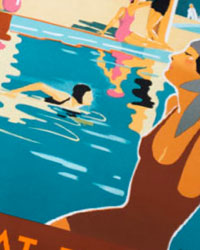
Serigrafía de Joost Swarte (*).
Titulada “ Eindelijk vrijheid”.
Edición de lujo sobre papel vellum de algodón de alto gramaje (300g/m2).
Firmada a mano por el artista.
Incluye Certificado de Autenticidad (COA).
Especificaciones:
Dimensiones: 70 x 50 cm
Año: 1988
Editor: Atelier Swarte, Harleem.
Estado: Excelente (esta obra nunca ha sido enmarcada ni expuesta, y siempre conservada en carpeta profesional de arte, por lo que se ofrece en perfecto estado).
Procedencia: Colección Particular.
La obra será cuidadosamente manipulada y empaquetada en paquete de cartón reforzado. El envío será certificado con número de seguimiento (UPS / DPD / DHL / FedEx)
El envío incluirá además seguro de transporte por el valor final de la obra con reembolso completo en caso de pérdida o daño, sin coste para el comprador.
(*) Joost Swarte, nacido el 24 de diciembre de 1947 en Heemstede, es uno de los dibujantes de cómic más famoso de Holanda. Estudió en la Academia de Diseño de Eindhoven y empezó publicando en su propia revista Modern Papier. No se ha limitado al cómic, pues se ha mostrado como un exitoso diseñador, arquitecto y dibujante de vitrales, siempre reconocible por su línea clara. Como copropietario de la Editorial Oog & Blik es responsable del diseño de muchos libros holandeses galardonados. Fue uno de los fundadores de las Jornadas Internacionales de la Tira Cómica de Haarlem, Holanda, y se ha erigido como un defensor de los cómics en el mundo del arte.
Sin duda Joost Swarte es uno de esos dibujantes emblemáticos del cómic contemporáneo, es un estilo que en apariencia tiene semejanzas con Hergé y sus creaciones, y tiene lógica porque nada mejor para garantizar el éxito de personajes e historietas que parecer atractivo con modelos preexistentes. En este sentido, Swarte, que todavía vive a día de hoy, nació en 1947, no es coetáneo a Hergé y sus creaciones nacen con un desfase de un par de décadas, con Tintín siendo ya un producto plenamente consolidado.
Swarte crea algunos de sus personajes con ciertas similitudes, en cuanto a estética, a lo que ofrecía Hergé, y también a alguno de ellos lo dota de una historia de aventuras, tal vez menos sofisticada que Tintín, pero que sí permitía, como objetivo velado de muchos historietistas del siglo XX, de trasladar a los niños, aunque solo fuera con su imaginación, a latitudes que difícilmente visitaría en la realidad.
El valor diferencial de este genial dibujante neerlandés con el que imprime particularmente sus dibujos es que su base académica es la de diseñador industrial, y eso hace que en la composición de sus viñetas cobren más fuerza los personajes, por el fondo, mobiliario y paisajes que lo componen. No hace sus dibujos para construir una historia sino que sus dibujos son la propia historia, sus personajes son más creíbles, ficticiamente hablando, porque sus viñetas tienen una gran riqueza expresiva.
Ese bagaje académico es una inversión con la que Swarte nos regala la vista, es como si quisiera tornarse a diseñador de vez en cuando, si tiene que dibujar una máquina no es un objeto simple, es todo lo contrario, intenta sofisticarla, es un catálogo dibujado y a todo color de los productos de una tienda de muebles, de herramientas, de máquinas, de coches, de edificios e incluso de moda.
Sus mecanismos, cuando tiene oportunidad de dibujarlos, cobran vida, es como si fuera el boceto o prototipo de algo que puede hacerse realidad, de algo que, siguiendo sus instrucciones, podría ponerse en marcha. Desconozco qué conocimientos acerca de mecánica podría o puede tener Swarte, pero seguro que sus diseños no se quedaban en una mera ensoñación.
Y luego están sus personajes; partamos de que la lectura de sus historietas son un tanto erráticas, surrealistas, tal vez excéntricas, pero es que ciertos personajes son tan surrealistas como que son animales humanizados, perros de dos patas vestidos como humanos, o animales sin más que hablan y razonan perfectamente como tú y como yo.
No es de extrañar que alguno de sus más famosos personajes sea difícilmente definible, así está Jopo de Pojo, un joven locuelo, sin maldad, que se mete en líos sin que él realmente quiera llegar a ellos, todo fruto de dobles sentidos, equivocaciones, despistes, casualidades… Pues el icónico Jopo de Pojo es un chico que podría ser de raza negra, que podría ser un mono y que tiene un penacho que es complicado encajar también en una figura animal.
Otro de sus personajes, este sí totalmente humano, es Anton Makassar, una especie de investigador (diseñador) loco que evoca en cierta forma al profesor Bacterio (Mortadelo y Filemón) de nuestro renombrado y no suficientemente reconocido Ibáñez (necesita un premio importante en vida y no le llega).
También tenemos un interesante elemento transgresor en Swarte, con todo el grueso de su creación y su madurez en los años 70 y 80, es transmisor de una cultura centroeuropea donde no se andaban con remilgos en el sexo y la pornografía; en este sentido, sus personajes no tienen ningún pudor ni problema en aparecer desnudos (integrales) y con sus escenas de cama, sin que eso se entienda como incitación a la promiscuidad hacia el colectivo juvenil. Y es verdad, porque nada hay peor para las depravaciones (sexuales) como querer ver algo pernicioso en algo tan natural como nuestro cuerpo, esas represiones son las que han creado muchos depredadores sexuales a lo largo de nuestra historia reciente.
De Joost Swarte hay un aspecto que sobresale en cualquier biografía que veas de él, una dimensión que supera al dibujante y que apuntaba al principio; tuvo la oportunidad de diseñar y de ejecutar de verdad, puesto que diseñó el teatro Toneelschuur in Haarlem. Haarlem (Países Bajos) es una de esas ciudades, no me pregunten por qué, son razones personales, a las que me gustaría ir alguna vez y me temo que no llegaré. Su diseño es, cuanto menos, curioso y yo lo percibo como una continuación de sus historietas. También ha diseñado edificios de apartamentos.
Swarte es más, mucho más que su parcela de historietista, sus diseños abarcan un poco de todo, vidrieras, murales, afiches y carteles (que hoy son auténticos objetos de coleccionismo), naipes, alfombras, papel de regalo… Sin duda un dibujante necesario para concebir la evolución del cómic contemporáneo.
How to buy on Catawiki
1. Discover something special
2. Place the top bid
3. Make a secure payment