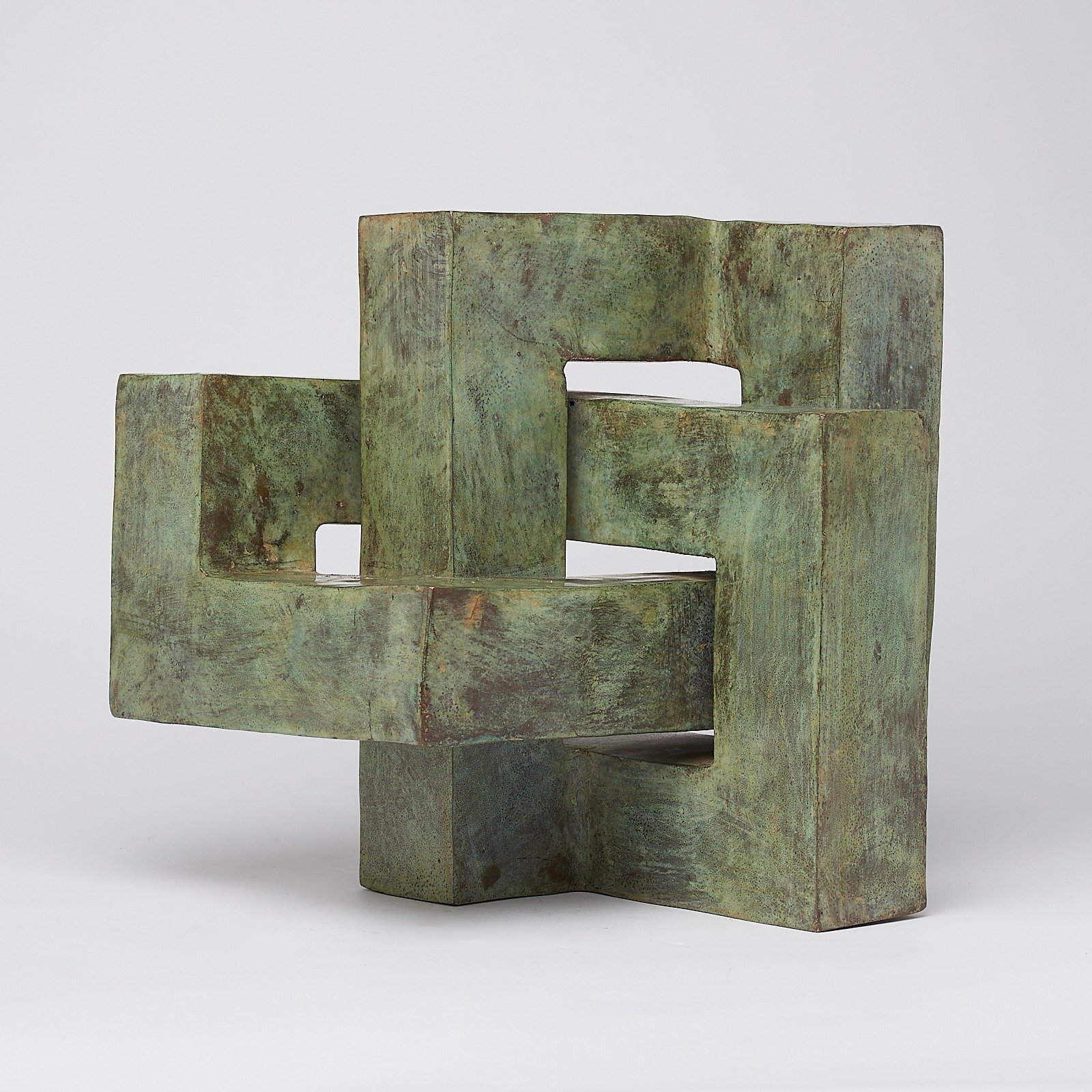
Decorative ornament (3) - Mallorca - Italy - Ceramic Tic-Tac-Toe


€3 |
|---|
Catawiki Buyer Protection
Your payment’s safe with us until you receive your object.View details
Trustpilot 4.4 | 137853 reviews
Rated Excellent on Trustpilot.
Set of three hand-painted Sicilian ceramic pieces in white and red, including a stemmed pinecone with flowers, a red stem pinecone with leaves, and a white centerpiece vase with a hand-decorated stem, model Maiorca, in contemporary style from 2000–2010, made in Italy from Caltagirone ceramic, 18 cm high, 18 cm deep, 12 cm wide, weighing 3 kg.
Description from the seller
Handmade Sicilian ceramic set by Sicilian masters, consisting of:
1 pinecone in ceramic with a hand-painted stem and flowers
1 red pinecone in ceramic with a hand-painted stem and leaves
1 half-pinecone vase, white centerpiece with a hand-decorated stem with flowers.
The Sicilian pinecone is a symbol of good luck and good omens for the recipient. Modern design while maintaining the classic style of Cal tagirone ceramics.
In ancient Greece, the pinecone represented the god of male fertility, Dionysus, who had a pinecone decorating the top of his staff. As part of Greek beliefs, fertility generates prosperity, and when one is blessed with prosperity, it is naturally shared with others. In other ancient cultures, pinecones are symbols of spiritual wisdom, representing the third eye - inner transcendence awakened toward enlightenment. According to more modern interpretations, pinecones are thought to attract prosperity into one’s home.
The pinecone is a deeply significant symbol. Botanically it is a reproductive entity: female pinecones contain the seeds, while male ones contain the pollen. In ancient Greece, the pinecone represented the god of male fertility, Dionysus, who carried a pinecone atop his staff. As part of Greek belief, fertility leads to prosperity, and when one is blessed with prosperity, it should naturally be shared with others. In other ancient cultures, pinecones symbolize spiritual wisdom.
Entirely handcrafted (and hand-painted) by a skilled Sicilian artisan on a potter’s wheel, made in the fine Sicilian ceramic of Caltagirone. Each piece has been molded and applied by hand. Sicilian pinecones are a symbol of an ancient tradition handed down from generation to generation to this day.
The Sicilian pinecone is a symbol of good luck and prosperity for the recipient, featuring a modern design while maintaining the classic style of Caltagirone ceramics.
In ancient Greece, the pinecone represented the god of male fertility, Dionysus, who carried a pinecone atop his staff. According to Greek beliefs, fertility generates prosperity, and when one is blessed with prosperity, it is meant to be shared with others. In other ancient cultures, pinecones are symbols of spiritual wisdom, representing the "third eye"—inner transcendence awakened toward enlightenment. Modern interpretations suggest that pinecones are meant to attract prosperity to one's home.
The pinecone is a deeply significant symbol. Botanically, it is a reproductive entity: female pinecones contain the seeds, while male ones contain the pollen. In ancient Greece, the pinecone represented the god of male fertility, Dionysus, who carried a pinecone atop his staff. As part of Greek belief, fertility leads to prosperity, and when one is blessed with prosperity, it should naturally be shared with others. In other ancient cultures, pinecones symbolize spiritual wisdom.
Each piece is entirely handcrafted and hand-painted by a skilled Sicilian artisan on a potter’s wheel, using fine Caltagirone ceramic. Every “scale” is shaped and applied by hand. Sicilian pinecones are a symbol of an ancient tradition passed down from generation to generation to this day.
Handmade Sicilian ceramic set by Sicilian masters, consisting of:
1 pinecone in ceramic with a hand-painted stem and flowers
1 red pinecone in ceramic with a hand-painted stem and leaves
1 half-pinecone vase, white centerpiece with a hand-decorated stem with flowers.
The Sicilian pinecone is a symbol of good luck and good omens for the recipient. Modern design while maintaining the classic style of Cal tagirone ceramics.
In ancient Greece, the pinecone represented the god of male fertility, Dionysus, who had a pinecone decorating the top of his staff. As part of Greek beliefs, fertility generates prosperity, and when one is blessed with prosperity, it is naturally shared with others. In other ancient cultures, pinecones are symbols of spiritual wisdom, representing the third eye - inner transcendence awakened toward enlightenment. According to more modern interpretations, pinecones are thought to attract prosperity into one’s home.
The pinecone is a deeply significant symbol. Botanically it is a reproductive entity: female pinecones contain the seeds, while male ones contain the pollen. In ancient Greece, the pinecone represented the god of male fertility, Dionysus, who carried a pinecone atop his staff. As part of Greek belief, fertility leads to prosperity, and when one is blessed with prosperity, it should naturally be shared with others. In other ancient cultures, pinecones symbolize spiritual wisdom.
Entirely handcrafted (and hand-painted) by a skilled Sicilian artisan on a potter’s wheel, made in the fine Sicilian ceramic of Caltagirone. Each piece has been molded and applied by hand. Sicilian pinecones are a symbol of an ancient tradition handed down from generation to generation to this day.
The Sicilian pinecone is a symbol of good luck and prosperity for the recipient, featuring a modern design while maintaining the classic style of Caltagirone ceramics.
In ancient Greece, the pinecone represented the god of male fertility, Dionysus, who carried a pinecone atop his staff. According to Greek beliefs, fertility generates prosperity, and when one is blessed with prosperity, it is meant to be shared with others. In other ancient cultures, pinecones are symbols of spiritual wisdom, representing the "third eye"—inner transcendence awakened toward enlightenment. Modern interpretations suggest that pinecones are meant to attract prosperity to one's home.
The pinecone is a deeply significant symbol. Botanically, it is a reproductive entity: female pinecones contain the seeds, while male ones contain the pollen. In ancient Greece, the pinecone represented the god of male fertility, Dionysus, who carried a pinecone atop his staff. As part of Greek belief, fertility leads to prosperity, and when one is blessed with prosperity, it should naturally be shared with others. In other ancient cultures, pinecones symbolize spiritual wisdom.
Each piece is entirely handcrafted and hand-painted by a skilled Sicilian artisan on a potter’s wheel, using fine Caltagirone ceramic. Every “scale” is shaped and applied by hand. Sicilian pinecones are a symbol of an ancient tradition passed down from generation to generation to this day.