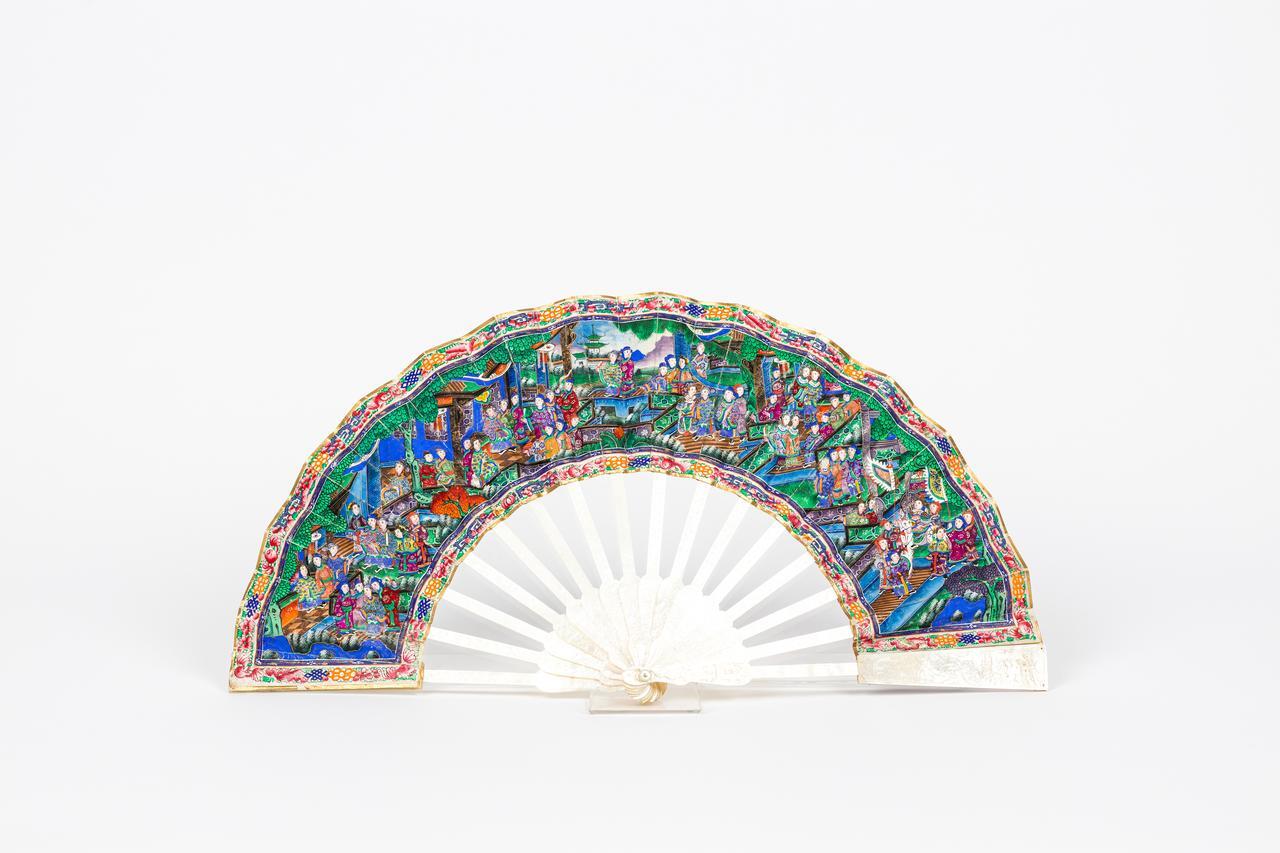
Baizi Tu - Sign - Porcelain

05
days
18
hours
55
minutes
00
seconds
Starting bid
€ 1
Reserve price not met
Alexandra Xu
Expert
Estimate  € 300 - € 380
No bids placed

Catawiki Buyer Protection

Your payment’s safe with us until you receive your object.View details

Trustpilot 4.4 | 138166 reviews

Rated Excellent on Trustpilot.

Porcelain panel in the Famille Rose palette, titled Baizi Tu (Cent Enfants au Jeu), from the 20th century with a wooden frame, measuring 88 cm high by 32 cm wide by 2.5 cm deep, origin China, original/official, in good condition with some chips to the frame.

AI-assisted summary

Description from the seller

UV checked!

Famille Rose Enamelled Porcelain Panel
"Hundred Children at Play" (Baizi Tu)
Republic of China (1912–1949) or late Qing Dynasty style
Porcelain with its original wooden frame
Dimensions with frame: 88 cm x 32 cm x 2.5 cm

This large vertical porcelain panel presents a lively and joyful composition illustrating the traditional, highly prized theme of Baizi Tu (百子圖) known as the "Tableau des Cent Enfants".

The scene unfolds fluidly along a lakeside landscape bordered by inscribed rocks, weeping willows in bud, and floral touches. A group of vigorous boys engage in various playful activities celebrating the innocence and vitality of childhood, with several scenes.

Children bathe happily in the waters while others sail in a small boat under the shade of a willow, one holding a floral stem. On the shore, a boy attempts fishing.
In the center, a group playfully gathers around balls (cuju or ball game). Other children capture butterflies with a fan, pick herbs, or form lively small discussion committees.

The figures are executed with great expressivity, characterized by round faces with fine features, traditional hairstyles with knotted bangs (shatou), and richly colored tunics in contrasting hues (rose-purple, imperial yellow, cobalt blue, and iron red).

In the upper left, a poetic inscription in black ink cursive calligraphy formally identifies the subject: 百子圖 (Baizi Tu — The Tableau des Cent Enfants). The inscription is flanked by a red oval artist’s seal at the top, and ends with a signature or dedication accompanied by a second red square seal placed under the text column, anchoring the piece in the tradition of Jingdezhen porcelain painters.

In Chinese pictorial and decorative art, the depiction of a multitude of male children playing freely is a powerful symbol of family prosperity, enduring lineage, and wishes for many virtuous descendants. This type of decorative panel was traditionally offered at weddings or major birthdays to attract blessings of fortune and filial piety.

Technically, the soft, opaque enamels of the Famille Rose palette, combined with the naturalistic treatment of drapery and the finesse of linear details, testify to the craftsmanship inherited from the great manufactories of the 19th and early 20th centuries. The reverse shows an period-appropriate mounting in its original wooden protection panel, confirming its function as an interior decorative wall screen.

Condition: Good overall. Some chips on the frame.

Provenance: Kanaka The Collection, Portugal

Shipped with UPS and insured

UV checked!

Famille Rose Enamelled Porcelain Panel
"Hundred Children at Play" (Baizi Tu)
Republic of China (1912–1949) or late Qing Dynasty style
Porcelain with its original wooden frame
Dimensions with frame: 88 cm x 32 cm x 2.5 cm

This large vertical porcelain panel presents a lively and joyful composition illustrating the traditional, highly prized theme of Baizi Tu (百子圖) known as the "Tableau des Cent Enfants".

The scene unfolds fluidly along a lakeside landscape bordered by inscribed rocks, weeping willows in bud, and floral touches. A group of vigorous boys engage in various playful activities celebrating the innocence and vitality of childhood, with several scenes.

Children bathe happily in the waters while others sail in a small boat under the shade of a willow, one holding a floral stem. On the shore, a boy attempts fishing.
In the center, a group playfully gathers around balls (cuju or ball game). Other children capture butterflies with a fan, pick herbs, or form lively small discussion committees.

The figures are executed with great expressivity, characterized by round faces with fine features, traditional hairstyles with knotted bangs (shatou), and richly colored tunics in contrasting hues (rose-purple, imperial yellow, cobalt blue, and iron red).

In the upper left, a poetic inscription in black ink cursive calligraphy formally identifies the subject: 百子圖 (Baizi Tu — The Tableau des Cent Enfants). The inscription is flanked by a red oval artist’s seal at the top, and ends with a signature or dedication accompanied by a second red square seal placed under the text column, anchoring the piece in the tradition of Jingdezhen porcelain painters.

In Chinese pictorial and decorative art, the depiction of a multitude of male children playing freely is a powerful symbol of family prosperity, enduring lineage, and wishes for many virtuous descendants. This type of decorative panel was traditionally offered at weddings or major birthdays to attract blessings of fortune and filial piety.

Technically, the soft, opaque enamels of the Famille Rose palette, combined with the naturalistic treatment of drapery and the finesse of linear details, testify to the craftsmanship inherited from the great manufactories of the 19th and early 20th centuries. The reverse shows an period-appropriate mounting in its original wooden protection panel, confirming its function as an interior decorative wall screen.

Condition: Good overall. Some chips on the frame.

Provenance: Kanaka The Collection, Portugal

Shipped with UPS and insured

Details

Era
1900-2000
Number of objects
1
Title
Baizi Tu
Country of origin
China
Material
Porcelain
Condition
Good condition - used with small signs of aging & blemishes
Height
88 cm
Width
32 cm
Depth
2.5 cm
Estimated period
20th Century
Qualification
Original/official
PortugalVerified
152
Objects sold
100%
protop

Similar objects

For you in

Chinese Art