No. 107134822

Sold
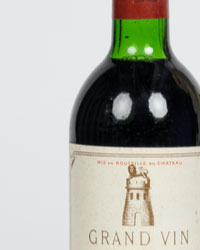
2002 Château Lafite Rothschild - Pauillac 1er Grand Cru Classé - 1 Bottle (0.75L)
Final bid
€ 370
2 weeks ago

2002 Château Lafite Rothschild - Pauillac 1er Grand Cru Classé - 1 Bottle (0.75L)

Château Lafite Rothschild 1er Grand Cru Classé 2002 Robert Parker a qualifié ce millésime de candidat sérieux au titre de vin du millésime pour la région de Bordeaux. L'histoire du vignoble de Lafite est très ancienne. Sur un domaine qui comportait déjà des plants de vigne, Jacques de Ségur structure le vignoble à la fin du XVII° siècle et la réputation de ce vin s'établit déjà à un bon niveau. Son fils Alexandre étend le domaine du Château Lafite Rothschild en épousant en 1695 l'héritière de Latour. De cette union naît Nicolas-Alexandre, qui construit au début du XVIII° siècle le prestige et la renommée de Lafite, le vin étant plébiscité à Versailles et déjà également outre-Manche. Il devient alors le "vin des rois" du "prince des vignes". Au décès de ce dernier, Lafite connait une succession de propriétaires, il sera notamment vendu aux enchères après la Révolution, mais la qualité sera maintenue au meilleur niveau grâce aux soins de ses régisseurs, la famille de Joseph Goudal. Le Château Lafite sera ainsi classé 1er cru en 1855. En 1868, le Baron James de Rothschild acquiert, aux enchères de nouveau, le domaine qui est depuis resté propriété de sa famille. En dehors de son terroir exceptionnel (un sol de graves profondes, reposant sur des marnes et sur un sous-sol calcaire), la qualité s'explique notamment par l'âge moyen du vignoble (plus de 40 ans), un faible rendement à l'hectare et une sélection très sévère. Dans les années 1960-1970 les vins se sont révélés d'une qualité moindre, en raison d'une gestion moins stricte du domaine et du processus de vinification. A la tête du groupe Rothschild depuis 2018, Saskia de Rothschild incarne la sixième génération à la tête du domaine. Elle s'attache à maintenir l'esprit et la qualité du domaine et à poursuivre l'œuvre de ses ancêtres. Animée par un respect de la terre et des fruits qu'elle donne, elle se pose en protectrice du terroir et de la nature. Elle n'hésite pas à non plus à enrichir l'offre du Château en proposant une nouvelle cuvée, Anseillan, une première depuis le XIXe siècle. en savoir plus, lire l'article du blog sur le Château Lafite-Rothschild. A propos de la cuvée Depuis 1975, le château, célébré par les amateurs du monde entier, produit des vins magnifiques, grâce à la direction dynamique d'Eric de Rothschild et désormais de sa fille Saskia depuis 2017. Pour produire ce grand vin, les parcelles sont assises sur des sols argilo-graveleux drainant et bénéficient de l'influence de l'estuaire de la Gironde. Une des parcelles est installée sur la commune de Saint-Estèphe et accueille les plus vieilles vignes de la propriété, donnant des raisins extraordinaires. Après des vendanges manuelles, les baies sont vinifiées de manière parcellaire, dans des cuves en bois, acier ou ciment, en fonction des besoins. La fermentation alcoolique est parfaitement maîtrisée, de la température aux remontages réguliers. La fermentation dure 22 jours. Les vins sont ensuite passés dans des barriques de chêne français, fabriquées au domaine. Au cours de l'élevage, chaque barrique est dégustée afin de parfaire l'assemblage final. Après quoi, les vins vieillissent pendant 15 mois sous-bois. Le grand vin de Lafite n'est jamais le plus démonstratif des vins de Pauillac. Mais c'est davantage sa finesse exceptionnelle qui s'exprime après 15 à 30 ans de garde qui en fait un vin à part, à la hauteur de son rang de Premier Grand Cru classé. Doté d'une complexité aromatique fabuleuse, il exhale notamment un arôme de cèdre caractéristique qui le rend si prisé par les amateurs. Les grands millésimes de Lafite semblent capable de défier les décennies et ne jamais mourir. Un véritable monument. Robert Parker described this vintage as a serious candidate for the title of vintage wine for the Bordeaux region The history of the Lafite vineyard is very old. On a domain that already had vine plants, Jacques de Ségur structured the vineyard at the end of the 17th century and the reputation of this wine was already established at a good level. His son Alexandre expanded the estate of Château Lafite Rothschild by marrying the heiress of Latour in 1695. From this union was born Nicolas-Alexandre, who built at the beginning of the 18th century the prestige and fame of Lafite, wine being acclaimed in Versailles and already also across the Channel. He then becomes the "wine of kings" of the "prince of the vines". Upon the latter's death, Lafite knew a succession of owners, he will be auctioned after the Revolution, but the quality will be maintained at the best level thanks to the care of his managers, Joseph Goudal's family. The Château Lafite will thus be classified 1st cru in 1855. In 1868, Baron James de Rothschild acquired, at auction again, the estate that had since remained the property of his family. Apart from its exceptional terroir (a deep gravel soil, resting on marls and a limestone subsoil), the quality is explained in particular by the average age of the vineyard (more than 40 years), a low yield per hectare and a very severe selection. In the 1960s and 1970s, wines turned out to be of lower quality, due to less strict management of the estate and the winemaking process. At the head of the Rothschild group since 2018, Saskia de Rothschild embodies the sixth generation at the head of the domain. She strives to maintain the spirit and quality of the domain and to continue the work of her ancestors. Driven by a respect for the land and the fruits it gives, it poses as a protector of the terroir and nature. She also did not hesitate to enrich the Château's offer by offering a new cuvée, Anseillan, a first since the 19th century. learn more, read the blog article on Château Lafite-Rothschild. About the vintage Since 1975, the castle, celebrated by amateurs around the world, has been producing magnificent wines, thanks to the dynamic direction of Eric de Rothschild and now his daughter Saskia since 2017. To produce this great wine, the plots sit on draining clay-gravel soils and benefit from the influence of the Gironde estuary. One of the plots is installed in the municipality of Saint-Estèphe and hosts the oldest vineyards of the property, giving extraordinary grapes. After manual harvesting, the berries are vinified in parcels, in wood, steel or cement tanks, according to needs. Alcoholic fermentation is perfectly controlled, from temperature to regular rebuildings. Fermentation lasts 22 days. The wines were then passed into French oak barrels, made on the estate. During the aging, each barrel is tasted in order to perfect the final assembly. After that, the wines age for 15 months under the wood. The great wine of Lafite is never the most demonstrative of the wines of Pauillac. But it is more its exceptional finesse that is expressed after 15 to 30 years of keeping that makes it a wine apart, at the height of its rank of Premier Grand Cru classified. With a fabulous aromatic complexity, it exudes a characteristic cedar aroma that makes it so popular with amateurs. The great vintages of Lafite seem capable of defying decades and never dying. A real monument.

No. 107134822

Sold
2002 Château Lafite Rothschild - Pauillac 1er Grand Cru Classé - 1 Bottle (0.75L)

2002 Château Lafite Rothschild - Pauillac 1er Grand Cru Classé - 1 Bottle (0.75L)

Château Lafite Rothschild 1er Grand Cru Classé 2002

Robert Parker a qualifié ce millésime de candidat sérieux au titre de vin du millésime pour la région de Bordeaux.

L'histoire du vignoble de Lafite est très ancienne. Sur un domaine qui comportait déjà des plants de vigne, Jacques de Ségur structure le vignoble à la fin du XVII° siècle et la réputation de ce vin s'établit déjà à un bon niveau. Son fils Alexandre étend le domaine du Château Lafite Rothschild en épousant en 1695 l'héritière de Latour. De cette union naît Nicolas-Alexandre, qui construit au début du XVIII° siècle le prestige et la renommée de Lafite, le vin étant plébiscité à Versailles et déjà également outre-Manche. Il devient alors le "vin des rois" du "prince des vignes".
Au décès de ce dernier, Lafite connait une succession de propriétaires, il sera notamment vendu aux enchères après la Révolution, mais la qualité sera maintenue au meilleur niveau grâce aux soins de ses régisseurs, la famille de Joseph Goudal. Le Château Lafite sera ainsi classé 1er cru en 1855.
En 1868, le Baron James de Rothschild acquiert, aux enchères de nouveau, le domaine qui est depuis resté propriété de sa famille. En dehors de son terroir exceptionnel (un sol de graves profondes, reposant sur des marnes et sur un sous-sol calcaire), la qualité s'explique notamment par l'âge moyen du vignoble (plus de 40 ans), un faible rendement à l'hectare et une sélection très sévère. Dans les années 1960-1970 les vins se sont révélés d'une qualité moindre, en raison d'une gestion moins stricte du domaine et du processus de vinification. A la tête du groupe Rothschild depuis 2018, Saskia de Rothschild incarne la sixième génération à la tête du domaine. Elle s'attache à maintenir l'esprit et la qualité du domaine et à poursuivre l'œuvre de ses ancêtres. Animée par un respect de la terre et des fruits qu'elle donne, elle se pose en protectrice du terroir et de la nature. Elle n'hésite pas à non plus à enrichir l'offre du Château en proposant une nouvelle cuvée, Anseillan, une première depuis le XIXe siècle.
en savoir plus, lire l'article du blog sur le Château Lafite-Rothschild.

A propos de la cuvée
Depuis 1975, le château, célébré par les amateurs du monde entier, produit des vins magnifiques, grâce à la direction dynamique d'Eric de Rothschild et désormais de sa fille Saskia depuis 2017. Pour produire ce grand vin, les parcelles sont assises sur des sols argilo-graveleux drainant et bénéficient de l'influence de l'estuaire de la Gironde. Une des parcelles est installée sur la commune de Saint-Estèphe et accueille les plus vieilles vignes de la propriété, donnant des raisins extraordinaires. Après des vendanges manuelles, les baies sont vinifiées de manière parcellaire, dans des cuves en bois, acier ou ciment, en fonction des besoins. La fermentation alcoolique est parfaitement maîtrisée, de la température aux remontages réguliers. La fermentation dure 22 jours. Les vins sont ensuite passés dans des barriques de chêne français, fabriquées au domaine. Au cours de l'élevage, chaque barrique est dégustée afin de parfaire l'assemblage final. Après quoi, les vins vieillissent pendant 15 mois sous-bois.
Le grand vin de Lafite n'est jamais le plus démonstratif des vins de Pauillac. Mais c'est davantage sa finesse exceptionnelle qui s'exprime après 15 à 30 ans de garde qui en fait un vin à part, à la hauteur de son rang de Premier Grand Cru classé. Doté d'une complexité aromatique fabuleuse, il exhale notamment un arôme de cèdre caractéristique qui le rend si prisé par les amateurs. Les grands millésimes de Lafite semblent capable de défier les décennies et ne jamais mourir. Un véritable monument.


Robert Parker described this vintage as a serious candidate for the title of vintage wine for the Bordeaux region
The history of the Lafite vineyard is very old. On a domain that already had vine plants, Jacques de Ségur structured the vineyard at the end of the 17th century and the reputation of this wine was already established at a good level. His son Alexandre expanded the estate of Château Lafite Rothschild by marrying the heiress of Latour in 1695. From this union was born Nicolas-Alexandre, who built at the beginning of the 18th century the prestige and fame of Lafite, wine being acclaimed in Versailles and already also across the Channel. He then becomes the "wine of kings" of the "prince of the vines".

Upon the latter's death, Lafite knew a succession of owners, he will be auctioned after the Revolution, but the quality will be maintained at the best level thanks to the care of his managers, Joseph Goudal's family. The Château Lafite will thus be classified 1st cru in 1855.

In 1868, Baron James de Rothschild acquired, at auction again, the estate that had since remained the property of his family. Apart from its exceptional terroir (a deep gravel soil, resting on marls and a limestone subsoil), the quality is explained in particular by the average age of the vineyard (more than 40 years), a low yield per hectare and a very severe selection. In the 1960s and 1970s, wines turned out to be of lower quality, due to less strict management of the estate and the winemaking process. At the head of the Rothschild group since 2018, Saskia de Rothschild embodies the sixth generation at the head of the domain. She strives to maintain the spirit and quality of the domain and to continue the work of her ancestors. Driven by a respect for the land and the fruits it gives, it poses as a protector of the terroir and nature. She also did not hesitate to enrich the Château's offer by offering a new cuvée, Anseillan, a first since the 19th century.

learn more, read the blog article on Château Lafite-Rothschild.

About the vintage

Since 1975, the castle, celebrated by amateurs around the world, has been producing magnificent wines, thanks to the dynamic direction of Eric de Rothschild and now his daughter Saskia since 2017. To produce this great wine, the plots sit on draining clay-gravel soils and benefit from the influence of the Gironde estuary. One of the plots is installed in the municipality of Saint-Estèphe and hosts the oldest vineyards of the property, giving extraordinary grapes. After manual harvesting, the berries are vinified in parcels, in wood, steel or cement tanks, according to needs. Alcoholic fermentation is perfectly controlled, from temperature to regular rebuildings. Fermentation lasts 22 days. The wines were then passed into French oak barrels, made on the estate. During the aging, each barrel is tasted in order to perfect the final assembly. After that, the wines age for 15 months under the wood.

The great wine of Lafite is never the most demonstrative of the wines of Pauillac. But it is more its exceptional finesse that is expressed after 15 to 30 years of keeping that makes it a wine apart, at the height of its rank of Premier Grand Cru classified. With a fabulous aromatic complexity, it exudes a characteristic cedar aroma that makes it so popular with amateurs. The great vintages of Lafite seem capable of defying decades and never dying. A real monument.

Final bid
€ 370
Patricia Verschelling
Expert
Estimate  € 450 - € 600

Similar objects

  • ​
    ​
    ​
  • ​
    ​
    ​
  • ​
    ​
    ​
  • ​
    ​
    ​
  • ​
    ​
    ​
  • ​
    ​
    ​
  • ​
    ​
    ​
  • ​
    ​
    ​
  • ​
    ​
    ​
  • ​
    ​
    ​

For you in

Wine

  • ​
    ​
    ​
  • ​
    ​
    ​
  • ​
    ​
    ​
  • ​
    ​
    ​
  • ​
    ​
    ​
  • ​
    ​
    ​
  • ​
    ​
    ​
  • ​
    ​
    ​
  • ​
    ​
    ​
  • ​
    ​
    ​
Set a search alert
Set a search alert to get notified when new matches are available.

This object was featured in


How to buy on Catawiki

Learn more about our Buyer Protection

      1. Discover something special

      Browse through thousands of special objects selected by experts. View the photos, details and estimated value of each special object. 

      2. Place the top bid

      Find something you love and place the top bid. You can follow the auction to the end or let our system do the bidding for you. All you have to do is set a bid for the maximum amount you want to pay. 

      3. Make a secure payment

      Pay for your special object and we’ll keep your payment secure until it arrives safe and sound. We use a trusted payment system to handle all transactions. 

Have something similar to sell?

Whether you're new to online auctions or sell professionally, we can help you earn more for your special objects.

Sell your object