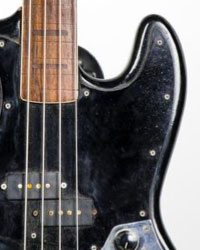
Egmond - Egmond Super Solid - - Electric guitar - Netherlands - 1958


Catawiki Buyer Protection
Your payment’s safe with us until you receive your object.View details
Trustpilot 4.4 | 135164 reviews
Rated Excellent on Trustpilot.
Description from the seller
Collector's item! Very rare piece! Made in the Netherlands at the Egmond brand. Late '60s, they were one of the biggest brands selling electric guitars. Egmond guitars were, for example, Brian May's, Tielmans Brothers', Steve Lukather's and Jan Akkerman's first electric guitar.
The Egmond Super Solid electric guitar with the famous 'Scout 2 pick-ups' (6/511). The guitar cable is permanently connected to the pickup (see photos). The guitar is still in an amazing original condition..
The Egmond Super Solid electric guitar was launched in the late 50s. It was normally an ES113 with 2 pickups, but when it had three pickups (and a tremolo) it was called the Super Solid. The name makes you think it is a solid-body guitar, but it isn't; it is a hollow-body guitar without any sound hole. That was done because it made the guitar lighter and more hollow-sounding than a solid-body guitar.
This guitar is described and can be found in the Egmond book (pages 56/57 & 249/250). It tells us that this solid-model guitar was the very first guitar for many artists because it was not such an expensive one.
Collector's item! Very rare piece! Made in the Netherlands at the Egmond brand. Late '60s, they were one of the biggest brands selling electric guitars. Egmond guitars were, for example, Brian May's, Tielmans Brothers', Steve Lukather's and Jan Akkerman's first electric guitar.
The Egmond Super Solid electric guitar with the famous 'Scout 2 pick-ups' (6/511). The guitar cable is permanently connected to the pickup (see photos). The guitar is still in an amazing original condition..
The Egmond Super Solid electric guitar was launched in the late 50s. It was normally an ES113 with 2 pickups, but when it had three pickups (and a tremolo) it was called the Super Solid. The name makes you think it is a solid-body guitar, but it isn't; it is a hollow-body guitar without any sound hole. That was done because it made the guitar lighter and more hollow-sounding than a solid-body guitar.
This guitar is described and can be found in the Egmond book (pages 56/57 & 249/250). It tells us that this solid-model guitar was the very first guitar for many artists because it was not such an expensive one.